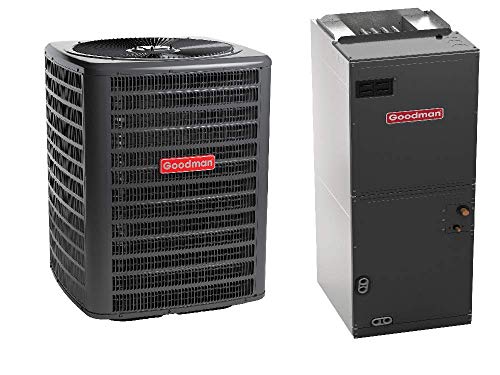
Discover how modern electric HVAC systems deliver year-round comfort, why heat pumps are replacing traditional furnace-and-AC setups, and how to match the right electric heating and cooling unit to your home's layout and climate.
Why this matters: Electric heating and cooling units are now the default choice for many new homes and retrofit projects. Understanding how they work — and which type fits your home — helps you avoid oversized systems, poor airflow, and unnecessary seasonal energy use.
What Are Electric Heating and Cooling Units?
An electric heating and cooling unit is a single system that uses electricity to both warm and cool a home. Instead of relying on gas or oil for heat, these systems use electricity-driven compressors, fans, and resistance elements to move or generate heat. The most common example is an electric heat pump, which transfers heat between the indoors and outdoors rather than burning fuel to create it.
These systems have become increasingly popular because they eliminate the need for separate furnace and air conditioner installations. A single outdoor unit and indoor air handler can handle both seasons, reducing equipment footprint and simplifying maintenance. For homes without existing ductwork, ductless electric mini-split systems offer a flexible alternative that avoids major renovation work.
Electric heating and cooling is especially relevant for homeowners replacing aging gas furnaces, adding climate control to a converted garage or basement, or building a new home where all-electric appliances are preferred. The technology has matured to the point where modern cold-climate heat pumps can operate efficiently well below freezing, making them viable in regions that previously relied on gas or propane.
Main Types of Electric Heating and Cooling Systems
There are three primary categories of electric HVAC systems used in homes today. Each has a distinct installation profile and ideal use case.
Top-tier efficiency
Electric Heat Pump (Ducted)
A central heat pump uses existing ductwork to distribute conditioned air throughout the home. It reverses its refrigerant cycle to provide both heating and cooling. Modern variable-speed models are the most energy-efficient option for whole-home comfort.
Best for: Homes with existing ducts and moderate to cold climates.
Balanced tier
Electric Furnace + Air Conditioner
This is a traditional split system where an electric furnace provides heat via resistance coils and a separate air conditioner provides cooling. It is simple, reliable, and familiar to most HVAC technicians.
Best for: Mild climates and homes where heating demand is low.
Premium flexibility
Ductless Mini-Split Heat Pump
Wall-mounted or ceiling-cassette indoor units connect to a single outdoor compressor. Each zone can be controlled independently, making this ideal for additions, older homes without ducts, and multi-zone layouts.
Best for: Homes without ductwork, room additions, and zoned comfort.
If you are still weighing ducted versus ductless options, the comparison between central air conditioner and heating units and ductless mini-split air conditioning systems is a useful next step. For homes that already have an electric furnace, pairing it with a modern heat pump in a dual-fuel configuration can provide a practical middle ground.
Heat Pump vs Electric Furnace vs Mini-Split
The table below summarizes the trade-offs between the three main electric heating and cooling approaches. The right choice depends on your climate, ductwork, and how much of the home you need to condition.
System
Heating Method
Cooling Method
Ductwork
Best For
Ducted Heat Pump
Moves heat from outdoor air
Reverses refrigerant cycle
Required
Whole-home comfort, cold climates
Electric Furnace + AC
Resistance heating coils
Standard split AC
Required
Mild climates, simple retrofits
Ductless Mini-Split
Moves heat, zone by zone
Reverses refrigerant cycle
Not required
Additions, no-duct homes, zoning
Pros and Cons of Electric Heat Pumps
Advantages
Highest efficiency for both heating and cooling
Single system replaces furnace and AC
No combustion, no gas line required
Quiet operation with variable-speed compressors
Considerations
Higher upfront equipment tier than electric furnace
Climate is the single most important factor when selecting an electric heating and cooling unit. In mild regions, an electric furnace paired with a standard air conditioner is often sufficient and straightforward to service. In colder regions, a cold-climate heat pump is the better long-term choice because it maintains capacity at lower outdoor temperatures.
Hybrid or dual-fuel systems offer a practical compromise: the heat pump handles most of the heating season, and an electric furnace provides backup during extreme cold snaps. This approach works well in areas with occasional deep freezes and is easy to integrate with an electric furnace and air conditioner setup.
Humidity also matters. In hot, humid climates, the cooling side of the system must be sized to remove moisture, not just lower temperature. Oversized cooling capacity shortens run times and leaves indoor air clammy. Guides on what humidity level is good for a house and what the humidity is supposed to be in your house can help you set realistic targets before choosing equipment.
Efficiency Ratings and Long-Term Value
Electric heating and cooling units are rated differently depending on whether they heat or cool. Cooling efficiency is measured in SEER2, while heating efficiency for heat pumps is measured in HSPF2. Higher ratings indicate better performance per unit of electricity, which translates to lower seasonal energy use over the life of the system.
Entry-level heat pumps typically meet minimum federal standards and work well in mild climates. Mid-range models add variable-speed compressors and better cold-weather performance. Premium and top-tier units offer the highest HSPF2 ratings, quieter operation, and advanced controls, making them a strong long-term investment in homes with high heating demand.
Ductless mini-splits often achieve excellent efficiency because they avoid duct losses entirely. For homes where ducts run through unconditioned attics or crawlspaces, a ductless or multi-zone configuration can outperform a ducted system even if the equipment ratings are similar. If you are comparing options, the guide to ductless mini-split air conditioning systems explains how zoning affects real-world performance.
Regardless of tier, proper installation matters as much as the rating. A high-end heat pump installed on undersized ducts or with a poorly matched air handler will underperform a mid-range system installed correctly. The AC maintenance guide covers the ongoing steps that protect efficiency over time.
Installation and Sizing Considerations
Sizing an electric heating and cooling unit requires more than matching square footage to tonnage. A proper load calculation accounts for insulation, window area, orientation, air leakage, and local climate data. Oversized systems cycle too frequently, which hurts both comfort and efficiency. Undersized systems struggle during peak demand and wear out faster.
For homes adding a heat pump to existing ducts, the duct system should be inspected for leaks, restrictions, and insulation. Many older homes have ductwork sized for a furnace blower, not a heat pump air handler, and modifications may be needed. The central air conditioner and heating units overview explains how air handlers and ductwork interact in split systems.
If ductwork is not feasible, ductless mini-splits can be installed with only a small wall penetration for refrigerant lines. Multi-zone systems connect several indoor units to one outdoor compressor, which is useful for homes with separate wings or converted spaces. Homeowners in older properties often start with a single-zone mini-split and expand later.
Electrical capacity is another practical consideration. Heat pumps and electric furnaces draw significant current, and older electrical panels may need upgrading before installation. A qualified HVAC contractor can coordinate with an electrician to confirm the panel can support the new equipment.
Maintenance Tips for Electric Heating and Cooling
Electric systems are generally low-maintenance, but a few routine tasks make a meaningful difference in lifespan and efficiency.
Replace or clean filters every 1–3 months. Restricted airflow forces the blower and compressor to work harder and can cause frozen coils.
Keep outdoor units clear. Remove leaves, snow, and debris from around the condenser to maintain airflow.
Schedule annual service. A technician should check refrigerant charge, electrical connections, and coil condition before each heating and cooling season.
Watch for unusual behavior. Short cycling, ice on the outdoor unit, or weak airflow often signal a problem that is easier to fix early.
Clean or replace ductwork components as needed. Leaky ducts waste conditioned air and reduce the effective capacity of the system.
An electric heating and cooling unit is a single system that uses electricity to both warm and cool a home. The most common example is an electric heat pump, which moves heat rather than generating it. Other examples include electric furnaces paired with an air conditioner and ductless mini-split heat pumps.
Is a heat pump better than an electric furnace?
A heat pump is generally more efficient for both heating and cooling because it moves heat instead of generating it. An electric furnace combined with an air conditioner is simpler and can work well in mild climates or as a backup. The best choice depends on your climate, home layout, and existing ductwork.
Do electric heating and cooling units work in cold climates?
Modern cold-climate heat pumps can operate efficiently in sub-freezing temperatures. However, in very cold regions, a hybrid setup with a backup electric furnace or a dual-fuel system may be more practical. Always check the unit's rated operating range for your area.
How long do electric heating and cooling systems last?
Most electric heat pumps last around 12 to 15 years with regular maintenance. Electric furnaces often last longer, sometimes 15 to 20 years. Ductless mini-split systems typically last 15 years or more when filters are cleaned and coils are serviced regularly.
⚠️ AFFILIATE DISCLOSURE: This website contains affiliate links. As an Amazon Associate, we earn from qualifying purchases. If you make a purchase through these links, we may receive a small commission at no additional cost to you.
Read our full affiliate policy.
15,000 BTU Distinctions by Amana PTAC Heat Pump A/C 3.5kW | 20 A | R32 Through-the-Wall Heating & Cooling Perfect for Homes, Hotels & Apartments - 208-230V
⚠️ Note: The purchase links above are affiliate links. As an Amazon Associate, we earn from qualifying purchases at no additional cost to you.
MRCOOL DIY Select 24K BTU Mini Split Heat Pump and Air Conditioner, White | Ductless Wall Mounted Unit, Heater for Bedroom, Garage or Shop, Pre-Charged Line Set, 230V Inverter, Heating System, AC Unit
⚠️ Note: The purchase links above are affiliate links. As an Amazon Associate, we earn from qualifying purchases at no additional cost to you.
Lasko Space Heater for Indoor Use, Portable Electric Heater, Thermostat | Fast Heat, 23'' Oscillating Heater, Ceramic Tower, Remote Control, Timer, 1500W, Cool Touch, Great for Bedroom & Office
⚠️ Note: The purchase links above are affiliate links. As an Amazon Associate, we earn from qualifying purchases at no additional cost to you.
Rellytech Mini Split AC/Heating System, 12000 BTU, 19 SEER2 115V/110V | Ductless air conditioner, energy efficient, pre-charged system, up to 750sq.ft coverage, inverter heating and cooling
⚠️ Note: The purchase links above are affiliate links. As an Amazon Associate, we earn from qualifying purchases at no additional cost to you.
BLACK+DECKER Smart Portable Air Conditioner with Heat, 14,000 BTU, White | 10,200 BTU SACC Cooling, 12,000 BTU Heating for Rooms up to 700 Sq. Ft., 4-in-1 Portable AC, Fan and Dehum
⚠️ Note: The purchase links above are affiliate links. As an Amazon Associate, we earn from qualifying purchases at no additional cost to you.
Disclaimer
Some of the content on this site uses AI assistance. Information is provided for educational purposes only. We are not responsible for any losses resulting from the use of this information. By using this site, you waive any right to bring legal claims against us arising from your use of the information provided. If you do not agree, please do not use this site.
Read the full disclaimer.
We uses cookies to provide you with a better browsing experience. By continuing to use our site, you consent to our cookie settings.
Learn more