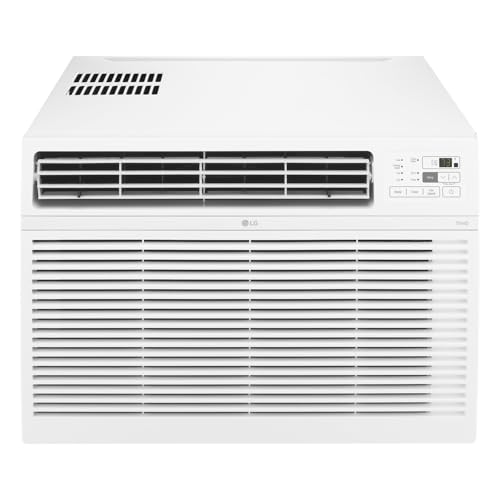
Central Air Conditioner for a 2,400 Square Foot House
Everything you need to know about sizing, selecting, and installing a central AC system for a 2,400 sq ft home — from BTU calculations to SEER ratings and ductwork considerations.
START WITH SIZINGWho this guide is for: If you own or are building a home around 2,400 square feet and you are researching central air conditioning, you are in the right place. This guide walks you through the exact capacity range you need, how to evaluate efficiency ratings, what to look for in ductwork, and which system tiers make sense for your situation.
By the end, you will have a clear, confident understanding of what a properly sized central AC system for a 2,400 square foot house looks like — and you will be ready to compare options and make a well-informed decision.
What This Guide Covers
1. How to Size a Central AC for a 2,400 Square Foot House
Sizing is the single most important decision when selecting a central air conditioner for a 2,400 square foot house. An undersized unit will run continuously and fail to keep the home comfortable during peak summer heat. An oversized unit will cool the space too quickly, cycling on and off frequently — a process called short-cycling — which leads to uneven temperatures, excess humidity, and accelerated wear on components.
The general rule of thumb for central AC sizing in a typical climate is roughly 20 BTU per square foot of living space. For a 2,400 square foot home, that translates to approximately 48,000 BTU, which corresponds to a 4-ton system. However, this is only a starting point. A proper sizing calculation — ideally a Manual J load calculation — accounts for ceiling height, window area, insulation quality, local climate, and occupancy.
Quick reference: A 2,400 sq ft house generally falls in the 3.5-ton to 4-ton range (42,000–48,000 BTU). Homes in hotter climates, with poor insulation, or with many windows may lean toward 4 tons, while well-insulated homes in moderate climates may perform well with a 3.5-ton system.
Why a Load Calculation Beats a Rule of Thumb
A professional HVAC contractor will perform a room-by-room load calculation using software that factors in:
- Climate zone — design temperatures for your region
- Insulation levels — walls, attic, and floors
- Window and door area — including glazing type and orientation
- Ceiling height — vaulted ceilings increase cooling load
- Occupancy — number of residents and their activity patterns
- Internal heat gains — appliances, electronics, lighting
The result is a precise BTU requirement that ensures your central AC system is neither too small nor too large. If you are comparing systems, ask each contractor for the load calculation they used. This is a sign of a professional-grade installation approach.
2. BTU and Tonnage: The Numbers That Matter
Understanding the relationship between BTU and tonnage helps you read product specifications with confidence. One ton of cooling capacity equals 12,000 BTU per hour. So when you see a system described as a "4-ton central air conditioner," it delivers approximately 48,000 BTU of cooling capacity.
| Home Size | Approximate BTU | Tonnage Range | Best For |
|---|---|---|---|
| 1,800–2,000 sq ft | 36,000–40,000 | 3.0–3.5 tons | Smaller homes, mild climates |
| 2,000–2,200 sq ft | 40,000–44,000 | 3.5 tons | Mid-size homes, average insulation |
| 2,200–2,600 sq ft | 44,000–52,000 | 3.5–4.5 tons | 2,400 sq ft homes (the focus of this guide) |
| 2,600–3,000 sq ft | 52,000–60,000 | 4.5–5.0 tons | Larger homes, hot climates |
For a 2,400 square foot house, the sweet spot is typically a 4-ton system (48,000 BTU). Some homes in moderate climates with excellent insulation may be well-served by a 3.5-ton unit, while homes in hot, humid regions or with large west-facing windows may need closer to 4.5 tons. This is why a professional load calculation is essential — it removes the guesswork.
Climate Adjustments
If your home is in a region with extreme summer heat, you may need to size toward the upper end of the range. Conversely, in milder climates, an oversized system wastes energy and creates comfort issues. For a broader perspective on sizing across different home sizes, see our guide on central air conditioning for a 1,200 square foot house, which illustrates how capacity scales with square footage.
3. SEER Ratings and Long-Term Efficiency
SEER (Seasonal Energy Efficiency Ratio) measures how efficiently an air conditioner cools over an entire cooling season. Higher SEER ratings mean more efficient operation — the system uses less electricity to deliver the same amount of cooling. For a 2,400 square foot house, where the cooling load is substantial, choosing a higher-SEER system can have a meaningful impact on long-term energy use.
Understanding SEER2 and Current Standards
As of 2023, the U.S. Department of Energy transitioned to SEER2, a more rigorous testing standard that better reflects real-world conditions. Minimum efficiency requirements vary by region:
- Northern states: Minimum 14.0 SEER2 for residential central AC
- Southeastern and Southwestern states: Minimum 14.3 SEER2
- Southwest desert regions: Minimum 14.3 SEER2 with additional requirements
While entry-level systems meet these minimums, mid-range and premium systems often reach 16–20 SEER2 or higher. For a home of this size, stepping up to a higher-efficiency tier is often a worthwhile investment, especially if you plan to stay in the home for many years.
Efficiency tip: Pair a high-SEER outdoor unit with a matching indoor air handler or furnace. Mismatched components can reduce overall system efficiency and may void warranty coverage. Always confirm the AHRI matched-system rating.
Two-Stage and Variable-Speed Compressors
Beyond the SEER number, compressor technology matters. Single-stage compressors run at full capacity or off — simple and dependable, but less precise. Two-stage compressors operate at a lower capacity most of the time and ramp up only when needed, improving humidity control and comfort. Variable-speed (inverter) compressors modulate continuously across a wide range, delivering the most precise temperature and humidity control and typically the highest efficiency.
For a 2,400 square foot home, a two-stage or variable-speed system is often a solid choice for balancing comfort, efficiency, and long-term durability. To explore how inverter technology compares to traditional compressors, see our inverter vs non-inverter AC comparison.
4. System Types and Configurations
Central air conditioning for a 2,400 square foot house typically takes one of several configurations. The right choice depends on your existing HVAC infrastructure, climate, and comfort priorities.
Split System (Outdoor Condenser + Indoor Air Handler)
This is the most common configuration in U.S. homes. The outdoor condenser unit houses the compressor and condenser coil, while the indoor air handler (or furnace) contains the evaporator coil and blower. Refrigerant lines connect the two, and conditioned air travels through ductwork. Split systems are versatile, widely available, and well-suited to a 2,400 sq ft home.
Packaged Unit (All-in-One)
A packaged system houses all components — compressor, condenser, evaporator, and blower — in a single outdoor cabinet, usually placed on the roof or a concrete pad. These are common in homes without basements or where indoor space is limited. For a 2,400 square foot house, a packaged unit can be an efficient choice if ductwork is accessible from a central location.
Heat Pump Systems
If you also need heating, a heat pump provides both cooling and heating in one system. In moderate climates, heat pumps are highly efficient for year-round comfort. For homes that already have a furnace, a central AC paired with the existing furnace — often called a "split system with gas heat" — is a common and practical setup. Learn more in our guide on central air with furnace configurations.
Ductless Mini-Split Alternatives
If your 2,400 square foot home lacks ductwork, or if you are adding cooling to a specific zone, a multi-zone ductless mini-split system is a viable alternative. However, for whole-home cooling across 2,400 square feet, a ducted central system is usually more practical and consistent. For homes without ducts, see our resources on ductless mini-split AC.
5. Ductwork: The Hidden Factor in Central AC Performance
Even the best central air conditioner will underperform if the ductwork is poorly designed, leaky, or undersized. For a 2,400 square foot house, ductwork design and condition are critical to delivering conditioned air evenly to every room.
Duct Sizing and Static Pressure
Ducts must be sized to handle the airflow required by the system — typically around 400 CFM (cubic feet per minute) per ton of cooling. A 4-ton system needs approximately 1,600 CFM of airflow. Undersized ducts increase static pressure, reduce airflow, and force the blower to work harder. This can lead to frozen evaporator coils, reduced cooling capacity, and premature blower motor failure.
Sealing and Insulation
Leaky ducts can waste a significant portion of the cooled air before it reaches your living spaces. Sealing duct joints with mastic or foil tape and insulating ducts in unconditioned spaces (attics, crawlspaces) are high-impact improvements. If you are installing a new central AC system in an existing home, have the ductwork inspected and sealed as part of the project.
Zoning for Larger Homes
A 2,400 square foot home may benefit from HVAC zoning — dividing the home into two or more zones, each with its own thermostat and motorized dampers. Zoning allows you to cool different areas independently, improving comfort and reducing energy waste in unoccupied rooms. This is especially useful in two-story homes where temperature stratification is common.
6. Installation Considerations for a 2,400 Sq Ft Home
Proper installation is just as important as product selection. A high-quality central AC system installed incorrectly will never deliver its rated performance. Here are the key factors to discuss with your HVAC contractor.
Equipment Placement
The outdoor condenser unit needs adequate clearance for airflow — typically 2–3 feet on all sides. It should be positioned on a level pad, away from dryer vents and foliage, and ideally shaded during the hottest part of the day (without blocking airflow). The indoor air handler should be centrally located to minimize duct runs and static pressure losses.
Refrigerant Lines and Electrical
Refrigerant line length and elevation affect system performance. Keep line runs as short and direct as practical. Ensure the electrical circuit is sized correctly for the new system — a 4-ton central AC typically requires a dedicated 240V circuit with an appropriately sized breaker. If you are upgrading from an older system, the existing electrical panel may need evaluation.
Permits and Inspections
Most jurisdictions require a permit for central AC installation or replacement. A reputable contractor will handle the permitting process and schedule inspections. This protects you as a homeowner and ensures the installation meets local building codes. For more on this topic, see our guide on whether you need a permit for AC installation.
Choosing a Contractor
Get multiple quotes, ask for references, verify licensing and insurance, and insist on a written load calculation. The lowest bid is not always the best choice — a contractor who takes the time to size the system correctly and explain the installation process is often the better long-term partner. Our guide on how to choose an HVAC contractor walks through the vetting process in detail.
7. Maintenance for Longevity and Performance
A central AC system for a 2,400 square foot house represents a significant long-term investment. Routine maintenance protects that investment and keeps the system operating efficiently season after season.
Monthly and Seasonal Tasks
- Replace or clean the air filter every 1–3 months, depending on usage and pets. A clogged filter restricts airflow and strains the blower.
- Keep the outdoor unit clear of leaves, grass clippings, and debris. Gently rinse the condenser coil with a garden hose at the start of the cooling season.
- Check the condensate drain for clogs. A blocked drain can cause water damage and trigger safety shutoffs.
- Schedule a professional tune-up annually. Technicians check refrigerant charge, electrical connections, capacitor health, and airflow.
Long-Term Care
Well-maintained central AC systems can last 15–20 years. Neglected systems may fail years earlier and operate at reduced efficiency throughout their lifespan. For a deeper dive into maintenance routines, see our guides on cleaning air conditioner coils and cleaning the AC drain.
Maintenance plan tip: Many HVAC companies offer annual maintenance plans that include a spring tune-up and priority service. These plans are often a sensible choice for homeowners who want to protect a premium or high-end tier system.
8. Frequently Asked Questions
Ready to Compare Central AC Options?
Now that you understand sizing, efficiency ratings, and installation considerations for a 2,400 square foot house, explore recommended systems and product details.
View Recommended Systems