Central Air with Furnace: The Complete Combo System Guide
One system, year-round comfort. Understand how a central air conditioner and furnace work together, how to size and match components, and what to check before you commit to a replacement or new install.
EXPLORE THE SYSTEMWhy this combo matters: A central air with furnace system shares the same blower and ductwork, so the two components must be matched in capacity and airflow. A mismatched pair can shorten equipment life, reduce efficiency, and leave rooms uncomfortable in both summer and winter. Understanding the pairing is the key to a smart purchase.
What Is a Central Air with Furnace System?
A central air with furnace setup is a split HVAC system with two main halves. Outdoors sits the air conditioning condenser, which rejects heat. Indoors, a furnace cabinet houses the blower, the evaporator coil, and the heating source. In cooling mode, the furnace blower pushes air across the cold evaporator coil and through the ducts. In heating mode, the same blower pushes air across the furnace heat exchanger. The shared blower and ductwork are what make the pairing efficient — and what make matching critical.
Outdoor Condenser
The condenser contains the compressor and outdoor coil. It releases heat absorbed from your home. Its capacity is rated in tons and must match the indoor coil and blower for proper cooling.
Furnace
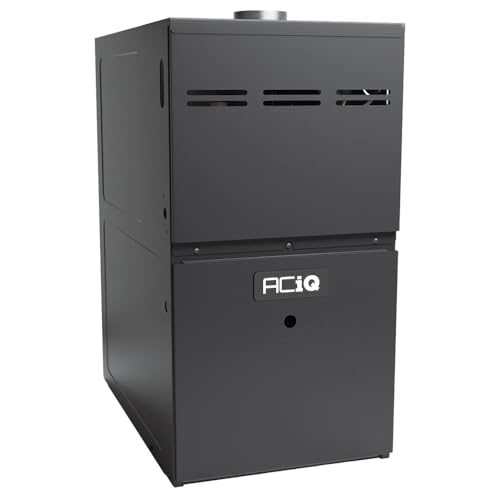
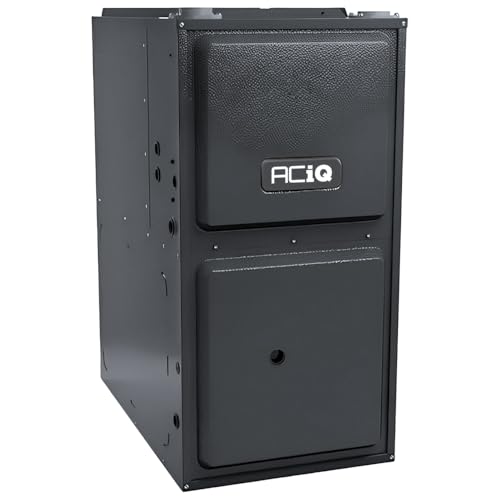
The furnace provides heating through a gas burner or electric elements. It also houses the blower that moves air for both heating and cooling. Furnace airflow capacity (CFM) must support the AC's tonnage.
Evaporator Coil
The indoor coil sits above or inside the furnace cabinet. It absorbs heat from indoor air in cooling mode. The coil must be matched to the outdoor condenser for refrigerant compatibility and efficiency.
Ductwork & Blower
The duct system distributes conditioned air to every room. The blower must deliver the right CFM for both heating and cooling. Undersized ducts or a weak blower cause hot and cold spots year-round.
How the Two Systems Work Together
In summer, the thermostat calls for cooling. The outdoor condenser and indoor blower start, and the evaporator coil absorbs heat from the air. In winter, the thermostat calls for heat, the furnace ignites, and the same blower moves warm air through the ducts. Because the blower and ducts are shared, the system's overall performance depends on both components being compatible. This is why replacing only one half without checking the other can lead to reduced efficiency, premature failure, or warranty issues.
- Shared blower: The furnace blower must deliver enough CFM for the AC's tonnage — typically around 400 CFM per ton. A blower sized only for heating may be too weak for cooling.
- Matched coil and condenser: The evaporator coil must be rated for the outdoor unit's refrigerant and capacity. Mismatched coils reduce efficiency and can void warranties.
- Thermostat coordination: A single thermostat controls both heating and cooling. Smart thermostats can switch automatically between modes and optimize schedules. See our guide on a thermostat that automatically switches from AC to heat.
- Duct sizing: The duct system must handle the higher airflow of cooling and the warmer airflow of heating. Undersized ducts cause noise, hot spots, and reduced capacity.
Furnace + AC vs. Heat Pump: Which Fits Your Home?
Both options provide heating and cooling, but they serve different climates and priorities. The table below compares them on the factors that matter most during the research phase.
| Factor | Central Air + Furnace | Heat Pump |
|---|---|---|
| Best climate | Cold winters with gas availability | Mild to moderate climates |
| Heating method | Gas or electric furnace | Refrigerant cycle with reversing valve |
| Cooling efficiency | High with modern SEER2 condensers | High, similar to AC |
| Heating efficiency | High with high-efficiency furnaces | Very high in mild weather, drops in deep cold |
| Equipment complexity | Two separate components | One combined unit |
| Maintenance | Service both furnace and AC | Single system service |
For homes in cold regions, a furnace paired with central air often delivers stronger heating performance. For milder regions, a heat pump may be the more efficient long-term investment. Our HVAC heat pump guide covers the trade-offs in more depth.
How to Size a Central Air and Furnace Combo
Sizing is the most important decision. An oversized AC cools too quickly without removing humidity, while an undersized unit runs constantly. The furnace must be sized separately for heating load but share a blower that supports the AC's airflow. A proper Manual J load calculation accounts for square footage, insulation, windows, climate, and occupancy.
- Calculate the cooling load with a Manual J or professional load calculation. Rules of thumb based on square footage are a starting point only.
- Match the furnace blower to the AC tonnage. A 3-ton AC typically needs about 1,200 CFM, so the furnace blower must support that airflow.
- Size the furnace for heating using the home's heat loss. An oversized furnace short-cycles and wastes fuel; an undersized one struggles in cold snaps.
- Verify duct capacity to handle the higher of the heating or cooling airflow. Undersized ducts throttle performance.
- Consider the climate — in mixed climates, a two-stage furnace and variable-speed blower improve comfort and efficiency. For a broader walkthrough, see our HVAC system buying guide.
Efficiency Ratings to Compare
Efficiency is rated differently for each half of the system. For the AC side, look at SEER2 (cooling efficiency) and EER2 (hot-weather efficiency). For the furnace side, look at AFUE (annual fuel utilization efficiency). A high-efficiency furnace paired with a high-SEER2 condenser delivers the best year-round performance, but the right tier depends on climate and usage.
SEER2 for Cooling
SEER2 measures cooling efficiency over a season. Higher ratings mean less energy used per unit of cooling. Entry-level models meet minimum standards, while premium tiers deliver noticeably lower energy use in the long run.
AFUE for Heating
AFUE measures how much fuel a furnace converts to heat. Standard-efficiency furnaces vent through a metal flue, while high-efficiency condensing furnaces vent through PVC and recover more heat from exhaust.
EER2 for Hot Climates
EER2 reflects efficiency at peak outdoor temperatures. In hot regions, a strong EER2 rating matters as much as SEER2 because it reflects real-world afternoon performance.
Variable-Speed Blower
A variable-speed blower adjusts airflow to match demand, improving humidity control and comfort. It pairs especially well with high-efficiency AC and furnace combinations.
Replacing only the AC or only the furnace without checking compatibility can reduce efficiency, cause premature failure, and void warranties. Always confirm refrigerant type, coil match, and blower CFM before mixing old and new components. A licensed HVAC technician should verify the pairing.
Repair or Replace the Combo?
When one half fails, the decision often hinges on age and condition of the other half. A new condenser paired with a 20-year-old furnace may not deliver expected savings. Conversely, replacing a working furnace because the AC failed can be unnecessary. Consider these factors:
- Age gap: If both components are near the end of their service life, replacing them together is often the more coherent long-term investment.
- Refrigerant type: Older ACs use R-22, which is phased out. A new condenser uses R-410A or R-32/R-454B, and the indoor coil must match. Our R-22 replacement guide explains the transition.
- Efficiency gains: Upgrading both halves together usually captures the full efficiency benefit of a high-SEER2 condenser and high-AFUE furnace.
- Warranty: Some manufacturers require matched components for full warranty coverage.
- Budget tier: A mid-tier matched pair often delivers the best balance of efficiency and durability for most homes. A premium tier is worthwhile for long-term efficiency goals in extreme climates.
For a system-wide evaluation, an HVAC inspection checklist helps you ask the right questions during a contractor visit.
What to Expect During Installation
Installing a central air with furnace combo involves both indoor and outdoor work. A typical project includes removing the old equipment, setting the new furnace and coil, running or reusing refrigerant lines, connecting electrical and gas lines, and testing airflow and charge. Proper installation matters as much as equipment quality — a premium system installed poorly underperforms an entry-level system installed correctly.
- Load calculation and duct review before equipment selection.
- Permits and inspections where required by local code.
- Refrigerant line set and vacuum to remove moisture before charging.
- Gas line and venting for the furnace, including proper flue or PVC venting for condensing models.
- Commissioning — measuring airflow, static pressure, and refrigerant charge. Our HVAC inspection service guide explains what a thorough commissioning check includes.
Choosing a qualified contractor is critical. Our guide on choosing an HVAC contractor covers licensing, insurance, and quote comparison.
Ready to Compare Matched Systems?
Explore recommended central air and furnace combinations below, selected for reliable performance across climate zones and home sizes.
VIEW RECOMMENDATIONSMaintenance for Year-Round Performance
A combo system needs attention in both seasons. In spring, service the AC before cooling season. In fall, service the furnace before heating season. Shared components like the blower and filter affect both halves, so filter changes benefit the entire system.
- Replace the filter every 1–3 months. A clogged filter strains the blower and reduces airflow in both heating and cooling. See our filter cleaning guide.
- Schedule AC tune-ups in spring to check refrigerant charge, clean coils, and test the capacitor.
- Schedule furnace tune-ups in fall to inspect the heat exchanger, clean burners, and test safety controls.
- Check condensate drainage — a clogged drain can shut down the AC. Our AC drain cleaning guide explains the process.
- Consider a maintenance plan to keep both halves on schedule. An HVAC maintenance plan often covers two visits per year.
Frequently Asked Questions
Related Reading
- Central air set up — what a proper installation involves.
- Central air install with existing ductwork — how reusing ducts affects the project.
- Central air unit for a 1,000 sq ft house — sizing guidance for smaller homes.
- Central air unit for a 1,400 sq ft house — matching capacity to mid-size homes.
- HVAC design guide — ductwork and airflow fundamentals.
- Common AC problems — troubleshooting when the combo underperforms.