Central Air Conditioner Replacement: The Complete Guide
Everything you need to know before replacing your central air conditioner — from recognizing the signs of failure and choosing the right size and efficiency tier, to installation steps, permitting, and long-term maintenance.
Why this guide matters: A central air conditioner replacement is one of the most significant home comfort investments a homeowner will make. This guide walks you through every stage of the decision so you can replace with confidence — understanding your existing system, matching the new unit to your home, and getting the installation done right the first time.
Signs Your Central Air Conditioner Needs Replacement
Replacing a central AC is not something to rush into, but delaying a failing system often leads to higher energy use, comfort problems, and larger repair bills down the road. Watch for the following signals that replacement may be the smarter path compared to another repair.
- Age beyond the expected service life. Most central air conditioners are designed to operate for roughly 12 to 15 years with proper maintenance. If your outdoor condenser is past that window and repairs are increasing, replacement is usually the more sensible long-term decision.
- Frequent, escalating repairs. If you are calling a technician multiple times per season for different components, the pattern suggests the system is reaching end of life. Repeated repairs can quickly outweigh the benefit of keeping an aging unit running.
- Rising energy use without lifestyle changes. A steady increase in electricity usage during cooling season — with no change in habits or weather — often signals declining compressor or coil efficiency.
- Refrigerant leaks and obsolete refrigerant. Older systems charged with phased-out refrigerants face escalating service difficulty. Repeated refrigerant losses typically point toward a system beyond practical repair.
- Uneven cooling and humidity problems. Rooms that never quite cool, or a home that feels clammy despite the thermostat setting, can indicate a system that is undersized, failing, or simply not matched to your layout.
- Excessive noise or vibration. Grinding, rattling, or persistent vibration from the outdoor unit can indicate compressor wear or failing bearings. Once the compressor is the problem on an older system, replacement is often the most reasonable path.
- Visible coil corrosion or damaged fins. Heavily corroded condenser coils cannot be restored to original efficiency and are a reliable indicator that the system is near the end of its useful life.
If you are still investigating the state of your current system, it helps to review common AC problems and understand how a central air conditioner that is not cooling is diagnosed before you commit to replacement. Sometimes a repair is the right call — but when the signs above stack up, replacement becomes the wiser option.
Repair or Replace? A Practical Decision Framework
The classic rule of thumb is straightforward: if the system is more than about two-thirds of its expected life and a repair would require a significant share of the replacement budget, replace it. But a more nuanced framework is often more useful for homeowners researching before they buy.
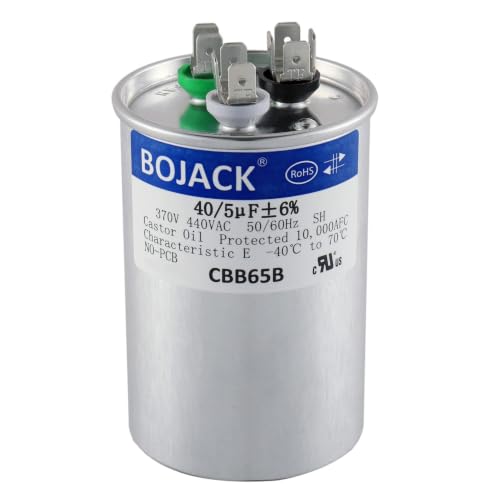
- Age versus repair scope. A young system with a single failed component such as a capacitor or contactor is a clear repair. An older system with a compressor or coil failure is a clearer replacement case.
- Efficiency trajectory. Even a repaired older unit will continue to run at its original efficiency. If your system is far below current minimum efficiency standards, the long-term investment in a new system often pays back through reduced energy use.
- Refrigerant availability. Systems using refrigerants that are being phased out become progressively harder to service, and repairs involving refrigerant handling carry additional complexity.
- Comfort history. If the system has never quite delivered even temperatures or proper humidity control, replacement is an opportunity to correct sizing and duct issues at the same time.
For a deeper comparison of the trade-offs, review the guide on whether to replace or repair an AC that is leaking water inside the house, since leak-related repairs are among the most common replacement decision points.
Sizing the Replacement System Correctly
The single most common replacement mistake is buying the same size as the old unit without confirming it was ever right for the home. Proper sizing is based on a load calculation, not a guess.
Why Load Calculation Matters
A Manual J load calculation accounts for square footage, ceiling height, window area and orientation, insulation levels, air infiltration, climate zone, and internal heat gains. Two houses of identical square footage can have meaningfully different cooling loads. When you replace a central air conditioner, a proper load calculation is the foundation of every other decision.
Oversizing and Undersizing Both Cause Problems
An oversized system cools quickly but cycles short, which reduces dehumidification and accelerates wear on the compressor. An undersized system runs continuously, struggles on peak days, and never achieves comfortable humidity levels. Both conditions also void much of the benefit of high-efficiency equipment. If your home sits in a common size bracket, it can help to review typical examples such as a central air unit for a 1,500 sq ft home or a central AC unit for a 1,000 sq ft house to understand what capacity range is typical — but always confirm with a load calculation.
Ductwork and the New System
Ductwork is often the forgotten half of a replacement. Leaky or undersized ducts can cripple even a premium new condenser. Before finalizing a replacement, have the ducts inspected for leaks, proper sizing, and insulation. Sealing and balancing ducts during the replacement is one of the highest-return improvements a homeowner can make.
Understanding Efficiency Ratings for a Replacement
Efficiency standards have evolved, and the SEER2 metric now governs new equipment. Understanding what the rating means helps you choose an appropriate tier rather than defaulting to the least expensive compliant unit or overpaying for efficiency you will not use.
SEER2 and Regional Minimums
SEER2 is the updated seasonal efficiency metric used under current DOE standards, and the minimum allowed rating depends on your region. In broad terms, hotter climate zones have higher minimum requirements. A replacement system must meet or exceed the minimum for your region, but moving to a higher tier can reduce long-term energy use if you cool heavily.
EER2 and HSPF2 in Brief
EER2 reflects efficiency at peak design conditions, which matters in very hot climates. HSPF2 applies to heat pump systems and reflects heating season efficiency. For a cooling-only replacement, SEER2 and EER2 are the metrics that matter most.
Efficiency Tiers in Context
Rather than focusing on a single number, it helps to think in tiers. The table below describes how replacement options generally differ by market position. It intentionally avoids numeric figures so the guidance stays useful regardless of how standards evolve.
| Tier | Typical Characteristics | Best For |
|---|---|---|
| Entry-level / essential tier | Single-stage compressor, standard efficiency rating at or near regional minimum, reliable construction, straightforward controls | Homeowners replacing a failed unit with a focus on dependable cooling and a matched budget |
| Mid-range / balanced tier | Two-stage or variable-speed compressor, improved humidity control, quieter operation, better SEER2 rating | Homes in humid climates or households that value comfort and lower energy use over the long run |
| Premium / high-end tier | Fully variable-speed inverter compressor, top-tier SEER2 rating, advanced smart thermostat compatibility, premium materials and sound insulation | Homeowners making a long-term investment in comfort, quiet operation, and efficiency |
For a broader orientation on efficiency metrics, see the explanation of what a SEER rating means in practice and how it relates to long-term energy use.
Replacement Options: What You Can Install
A "central air conditioner replacement" does not always mean an identical swap. Depending on your ductwork, electrical service, and home layout, several replacement paths exist.
Like-for-Like Split System
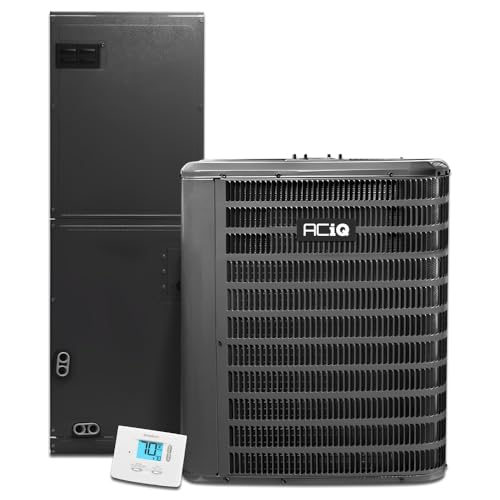
The most common replacement: a new outdoor condenser paired with a new indoor coil and air handler, reusing existing ductwork. Straightforward and predictable when ducts are in good shape.
Heat Pump Replacement
If your climate allows, replacing a cooling-only system with a heat pump can add efficient heating alongside cooling. Review how a heat pump compares to an air conditioner before deciding.
Ductless Mini-Split Alternative
When ductwork is failing or absent, a ductless system can replace central cooling room by room. Compare ductless versus ducted AC to weigh the trade-offs.
Packaged Unit Replacement
Homes with a packaged system replace the entire outdoor cabinet. Review packaged AC units if your home uses a single-cabinet configuration.
Variable-Speed Upgrade
Replacing a single-stage unit with a variable-speed model improves humidity control and comfort. Learn how variable-speed AC differs in operation.
Two-Stage Compressor System
A middle path between single-stage and variable-speed, offering better part-load efficiency. See how two-stage AC performs in practice.
Why a Matched System Matters
One of the most important replacement principles is that the outdoor condenser, indoor coil, and air handler are engineered to work together. A replacement that mixes a new condenser with an old or mismatched coil can reduce efficiency, compromise humidity control, and in many cases void the manufacturer warranty. Always confirm that the replacement quote specifies a matched system, including the coil and air handler model numbers, and that the AHRI reference number is provided.
If your existing setup is a combined heating and cooling arrangement, understand how a central air system with a furnace shares components before the replacement so the installer can plan the coil and plenum work correctly.
The Replacement Installation Process
Knowing what happens during installation helps you ask the right questions and avoid shortcuts. A quality replacement typically follows these stages:
- Load calculation and equipment selection. The contractor confirms sizing with a Manual J calculation and selects a matched system at the appropriate efficiency tier.
- Permitting. Most jurisdictions require a permit for HVAC replacement. Confirm who pulls the permit and that the final inspection is scheduled.
- Removal of the old system. The old condenser, coil, and refrigerant are recovered and disposed of according to EPA refrigerant handling rules.
- Line set and electrical verification. The refrigerant line set condition, length, and size are checked. Electrical service, disconnect, and breaker are verified against the new unit's requirements.
- Indoor coil and air handler installation. The matched coil is installed with correct airflow and plenum transitions. Drain lines are routed and tested.
- Outdoor condenser placement. The unit is set on a level pad with proper clearances for airflow and service access.
- Evacuation and charging. The system is evacuated to remove moisture and non-condensables, then charged to the manufacturer's specified weight.
- Startup and commissioning. Airflow is measured, refrigerant pressures are checked, temperature split is verified, and the thermostat is configured.
- Homeowner walkthrough and documentation. The contractor reviews operation, filter maintenance, warranty registration, and provides the AHRI certificate.
For homes with existing ductwork, the replacement scope often focuses on the equipment and connections. Reviewing what a central air installation with existing ductwork typically involves can help you set expectations.
Common Installation Mistakes to Watch For
- Installing an oversized system without a load calculation.
- Reusing a failing or mismatched indoor coil.
- Skipping proper evacuation before charging.
- Inadequate condensate drainage or missing secondary drain pan protection.
- Undersized electrical circuit or missing disconnect.
- Not sealing and balancing the ducts after replacement.
Outdoor Unit Placement and Home Layout Considerations
Replacement is an opportunity to correct placement problems. The condenser needs adequate clearance on all sides for airflow, should not be enclosed in a tight space, and should be positioned away from dryer vents and debris accumulation. If the old unit was noisy or struggled in summer, the new placement can make a meaningful difference.
If the replacement involves relocating a system into a basement or attic space, review the specific considerations for a basement HVAC installation or attic air conditioner placement beforehand, since these locations have distinct drainage, insulation, and service-access requirements.
Electrical and Permitting Essentials
Central air conditioners draw significant current, and the replacement must be matched to a correctly sized circuit, disconnect, and breaker. Modern high-efficiency systems sometimes require different electrical characteristics than the old unit, so the contractor should verify the panel capacity and wiring before installation day. If the panel is at capacity, an electrical upgrade may be needed as part of the project.
Permitting is not optional in most jurisdictions. A permitted and inspected installation protects you as a homeowner, ensures code compliance, and is often required for warranty coverage and homeowner insurance. Confirm that the contractor will pull the permit and that you receive a copy of the inspection sign-off.
Choosing the Right HVAC Contractor
The quality of installation determines how well a new system performs for its entire life. When evaluating contractors for a central air conditioner replacement, focus on these factors:
- Licensing and insurance. Verify the license and confirm active liability and workers' compensation coverage.
- Load calculation and Manual J. A contractor who proposes equipment without a load calculation is guessing.
- Matched system and AHRI certificate. Insist on a matched system with documentation.
- Written scope and warranty terms. The scope should specify equipment model numbers, line set work, electrical verification, duct sealing, and permit handling.
- References and local experience. Ask for references from installations in homes similar to yours.
- Startup documentation. A quality contractor provides commissioning readings, airflow measurements, and warranty registration.
Homeowners who want to compare contractor options before committing can review guidance on companies that install air conditioners to understand what to look for in proposals.
How Long Does a Replacement Take?
Most residential replacements are completed in one to two days. A straightforward like-for-like swap with existing ductwork in good condition often finishes within a single day. Jobs that involve new line sets, electrical upgrades, duct modifications, or relocation can extend into a second day. Permitting and inspection timelines vary by jurisdiction and should be planned into the schedule.
After the Replacement: Protecting Your Investment
A new central air conditioner is a long-term investment. The choices you make in the first season have a lasting effect on performance and longevity.
- Change filters on schedule. A clean filter protects airflow and efficiency. See guidance on when to replace an AC filter.
- Keep the outdoor coil clean. Rinse the condenser coil at the start of each cooling season and remove debris from around the unit.
- Maintain the condensate drain. A clogged drain is one of the most common causes of water damage. Review how to handle central air conditioner water leaks and how to clean the AC drain line.
- Schedule seasonal maintenance. A professional tune-up each spring catches small issues before they become failures and is often required to maintain warranty coverage.
- Use the thermostat wisely. A programmable or smart thermostat reduces runtime during unoccupied hours. Review programmable thermostat strategies for practical schedules.
- Seal and balance ducts. If ducts were not addressed during replacement, sealing leaks and balancing airflow can recover meaningful efficiency.
Matching the Replacement to Your Situation
The right replacement depends less on a single metric and more on how you use your home. The table below summarizes typical homeowner situations and the tier that generally fits them best.
| Homeowner Situation | Recommended Tier | Rationale |
|---|---|---|
| Replacing an aging unit in a moderate climate with a focus on dependable cooling | Entry-level / essential tier | A matched system at the regional minimum efficiency covers the need without paying for unused capability |
| Humid climate with comfort and humidity control priorities | Mid-range / balanced tier | Two-stage or variable-speed operation improves part-load dehumidification and comfort |
| Long-term homeowner planning to stay for many years | Premium / high-end tier | Top-tier SEER2 and variable-speed operation deliver the strongest long-run efficiency and comfort |
| Home with problematic or failing ductwork | Ductless mini-split or ducted upgrade | Addressing the distribution system is more important than the equipment tier alone |
Frequently Asked Questions
How long does a central air conditioner replacement take?
Most residential replacements are completed in one to two days. A straightforward like-for-like swap with existing ductwork in good condition often finishes in a single day. Jobs involving new line sets, electrical upgrades, duct modifications, or relocation can extend into a second day, and permitting timelines vary by jurisdiction.
Do I need to replace the furnace when replacing the central air conditioner?
Not always. If the furnace is in good condition and compatible with the new air handler or coil, it can often stay. However, if the furnace is aging, inefficient, or uses an incompatible coil design, pairing both replacements at once can be a worthwhile long-term investment and can simplify the matched-system requirement.
What SEER2 rating should I look for in a replacement central AC?
The minimum SEER2 requirement varies by region under current DOE standards. For most homes, choosing a system at or above the regional minimum is essential, and stepping up to a mid-tier or high-end tier SEER2 model can reduce long-term energy use. Your climate zone determines the exact baseline, so confirm the requirement for your area with your contractor.
Can I replace just the outdoor condenser unit?
Technically it is possible, but it is rarely recommended. The outdoor condenser and indoor coil are engineered as a matched system. Replacing only one component with a mismatched unit can reduce efficiency, void warranties, and shorten the life of the new equipment. A full matched-system replacement is the sound approach.
How do I know what size central AC my home needs?
Proper sizing requires a Manual J load calculation that accounts for square footage, ceiling height, window area, insulation, climate zone, and occupancy. Square-footage rules of thumb exist, but a professional load calculation ensures the replacement system is neither oversized nor undersized, which matters for both comfort and efficiency.
Should I replace my central air conditioner and furnace at the same time?
Replacing both together is often worthwhile when the furnace is also near the end of its service life. A combined replacement ensures a fully matched system, consolidates the labor and permitting, and avoids the situation where a new coil is installed on an aging furnace that fails shortly afterward. It is not mandatory, but it is frequently the most efficient path when both components are aging.
What happens if the new central AC is the wrong size?
An oversized system cools quickly but cycles short, reducing dehumidification and accelerating compressor wear. An undersized system runs continuously on peak days and struggles to maintain comfort. Both conditions waste efficiency and shorten equipment life, which is why a load calculation before replacement is essential.
Ready to Compare Replacement Options?
Explore matched central air conditioner systems, filter by capacity and efficiency tier, and find the right fit for your home and climate.
Explore Replacement Systems