Central Air Conditioning & Ductless Systems: Complete Guide
Understand the differences between central air conditioning and ductless systems, and discover which cooling approach fits your home, your comfort needs, and your long-term efficiency goals.
EXPLORE THE GUIDECentral Air vs Ductless: Two Paths to Whole-Home Comfort
When homeowners research cooling options, two major system families dominate the conversation: central air conditioning and ductless systems. Both can deliver dependable cooling, but they use different distribution methods, serve different building types, and suit different renovation scenarios. Understanding these differences is essential before you commit to a system.
Central air conditioning relies on a network of ductwork to distribute cooled air from a single indoor air handler to every connected room. Ductless systems, on the other hand, use individual indoor air-handling units mounted on walls, ceilings, or floors, each connected by refrigerant lines to an outdoor condenser. The term "central air conditioning ductless systems" often appears in searches because many shoppers are essentially comparing central ducted cooling against ductless multi-zone cooling for the same building.
Quick orientation: Central systems are ideal when ductwork already exists or when a whole home is being built or renovated. Ductless systems shine in homes without ducts, in additions, in multi-zone setups, and in properties where running ductwork is impractical.
How Central Air Conditioning Works
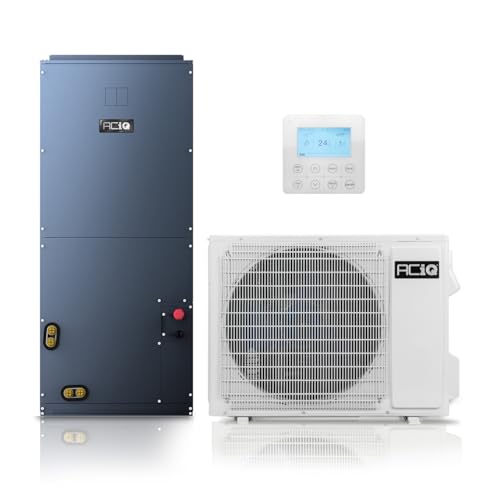
A central air conditioning system circulates refrigerant between an outdoor condenser and an indoor evaporator coil. The indoor unit, often part of a furnace or air handler, cools the air and pushes it through a supply duct network. Return ducts bring warm room air back to the air handler, and the cycle repeats. Because the same duct system can be shared with heating, central AC is often paired with a furnace or heat pump.
Central systems are typically sized for the entire home using load calculations. Proper sizing, duct design, and refrigerant charge all influence performance. Homeowners who want a unified thermostat, consistent temperatures across rooms, and a filtration system integrated into the ductwork often gravitate toward central air. If you want to explore the full system architecture, see our central air conditioning system overview.
Key characteristics of central air conditioning
- Single indoor air handler serving multiple rooms through ducts
- Requires ductwork and return-air pathways
- Typically paired with a furnace, air handler, or heat pump
- Central thermostat control and integrated air filtration options
- Best suited to homes with existing ducts or new construction
How Ductless Systems Work
Ductless systems, commonly called mini-splits, consist of one outdoor unit connected to one or more indoor air-handling units via a small refrigerant line set. Each indoor unit delivers conditioned air directly into the space it serves, which eliminates the need for ductwork. Multi-zone ductless systems can connect several indoor units to a single outdoor condenser, giving you independent temperature control in different rooms.
Because there are no ducts, ductless systems avoid duct leakage losses, which can be significant in older homes. They are also highly flexible for renovations, additions, and rooms that are difficult to cool with a central system. Many ductless systems are heat pumps, meaning they can provide both cooling and heating. For a deeper dive into this format, read our ductless mini-split AC guide.
Key characteristics of ductless systems
- No ductwork required; indoor units mount on walls, ceilings, or floors
- Single-zone or multi-zone configurations
- Independent temperature control per indoor unit
- Often available as heat pumps for year-round comfort
- Well suited to homes without ducts, additions, and room-specific comfort
Central Air Conditioning vs Ductless Systems: Side-by-Side
| Factor | Central Air Conditioning | Ductless Systems |
|---|---|---|
| Distribution | Ductwork distributes air to multiple rooms from one air handler | Each indoor unit delivers air directly into its zone |
| Ductwork Requirement | Requires supply and return ducts | No ductwork required |
| Zoning | Single-zone by default; zone control requires dampers or additional equipment | Multi-zone by design with independent indoor units |
| Installation Complexity | Higher complexity when ducts must be added or modified | Lower structural impact; small wall or ceiling penetrations for line sets |
| Best For | Homes with existing ducts, new construction, whole-home uniformity | Homes without ducts, additions, retrofits, room-specific comfort |
| Efficiency Considerations | Duct leakage and insulation affect performance | Avoids duct losses; each zone can be controlled separately |
| Heating Option | Often paired with furnace or heat pump | Many models are heat pumps and provide both cooling and heating |
What Matters Most When Choosing
Home Layout & Ductwork
If the home already has well-sealed ducts, central air can be a natural fit. If ducts are missing or impractical, ductless systems avoid invasive construction.
Zoning Needs
Ductless multi-zone systems let you set different temperatures in bedrooms, living areas, and home offices. Central systems can zone too, but usually require additional hardware.
Efficiency & Envelope
Duct losses can reduce central system performance. Ductless systems eliminate that loss but require proper placement and sizing of each indoor unit.
Installation Impact
Central installations can involve duct modifications, while ductless installations focus on line-set routing and indoor unit placement.
Heating Capability
Many ductless systems are heat pumps, offering both cooling and heating. Central systems can also pair with heat pumps for dual-purpose comfort.
Maintenance Access
Central systems require filter changes and duct inspection. Ductless systems require regular cleaning of indoor unit filters and coils.
System Tiers and What They Typically Offer
Rather than focusing on numerical figures, it helps to understand systems by their position in the market. The descriptors below are neutral and reflect relative positioning, not absolute figures. Use them to frame your research when comparing models and contractors.
Entry-Level Tier
Essential cooling performance with standard features. Suitable for budget-conscious projects and straightforward installations where basic comfort is the priority.
Mid-Range Tier
Balanced feature sets, improved efficiency, and often quieter operation. A solid choice for most homeowners who want dependable performance without stepping into flagship territory.
Premium / Top-Tier
Advanced controls, higher efficiency ratings, enhanced filtration options, and refined build quality. Ideal for long-term investments and homeowners who value quieter, more precise comfort.
Within each tier, the best choice depends on your home's layout, insulation, window exposure, and how you plan to use each room. A well-matched mid-range system often outperforms an oversized top-tier system in real-world comfort.
Installation Considerations for Both Approaches
Installation quality has a major impact on performance and longevity. For central systems, duct design, sealing, and insulation are critical. Leaky ducts can waste cooling and create uneven temperatures. For ductless systems, indoor unit placement, line-set routing, and condensate drainage must be planned carefully to avoid drafts and moisture issues.
If you are evaluating a central system in an older home, review our guide on central air conditioning installation in older homes. For ductless projects, consider how many zones you need and whether a multi-zone configuration makes sense for your floor plan.
Pro tip: Always request a room-by-room load calculation. Proper sizing prevents short cycling, excess humidity, and unnecessary wear. The same principle applies whether the system is ducted or ductless.
Efficiency and Long-Term Ownership
Efficiency is not only about the equipment rating; it is also about how the system is installed and maintained. Central systems depend on duct integrity, while ductless systems depend on correct refrigerant charge and clean indoor coils. In both cases, regular maintenance extends equipment life and preserves performance.
For a broader look at central system upkeep, see our central air conditioning system maintenance article. Ductless owners should clean filters regularly and schedule professional coil cleaning as needed. If you notice performance drops, addressing small issues early is far better than waiting for a breakdown.
Common Issues and How to Recognize Them
Central systems can develop airflow problems, refrigerant leaks, or thermostat issues. Ductless systems can experience drainage clogs, dirty filters, or sensor faults. Recognizing early symptoms helps you act before comfort suffers. If a central system is running but not cooling, review the troubleshooting walkthrough in our central air conditioner running but not cooling guide.
For ductless systems, unusual noises, reduced airflow, or water dripping from an indoor unit are signs that service may be needed. In both cases, annual inspections and timely filter changes prevent many problems.
Frequently Asked Questions
Can I combine central air conditioning with ductless systems?
Yes. Some homeowners use a central system for the main living areas and add ductless units for additions, converted garages, or rooms that are difficult to cool. This hybrid approach can be practical when ductwork is partial or when specific zones need independent control.
Do ductless systems really eliminate duct losses?
Ductless systems avoid duct leakage because they do not use ducts for distribution. However, they still require proper sizing, placement, and maintenance. Avoiding duct losses can improve overall efficiency compared with a leaky ducted system, but the equipment itself must still be matched to the space.
Which system is quieter?
Modern ductless indoor units are often very quiet, especially in low fan settings. Central systems can also be quiet when the air handler is properly isolated and ducts are designed well. Noise perception depends heavily on installation quality and equipment tier.
How many indoor units do I need for a ductless system?
The number of indoor units depends on the number of zones you want to control independently. A multi-zone outdoor unit can support several indoor units, but the total connected capacity must be matched carefully. A professional load calculation and zone plan will determine the right configuration.
Can central air conditioning be added to a home without ducts?
It is possible, but it usually involves significant construction to route ductwork. In many homes without existing ducts, ductless systems are a more practical retrofit. The right choice depends on the layout, construction type, and how much of the home needs cooling.
Ready to Compare Cooling Options?
Use the guidance above to shortlist the right system type for your home, then explore product options and request professional assessments before making a final decision.
VIEW RECOMMENDED SYSTEMS