Central Air Conditioning System Maintenance: The Complete Homeowner Guide
Keep your whole-home cooling system running efficiently season after season. Follow our step-by-step maintenance routine, seasonal checklist, and expert troubleshooting advice to protect your investment.
START THE MAINTENANCE WALKTHROUGHWhy this guide matters: A central air conditioning system is one of the hardest-working appliances in any home. It circulates thousands of cubic feet of air every day and runs for months on end. Small maintenance oversights — a clogged filter, a dirty condenser coil, a blocked drain line — compound into efficiency loss, premature compressor failure, and uncomfortable indoor temperatures. This guide gives you a clear, practical routine so you can stay ahead of problems instead of reacting to them.
Why Central Air Conditioning System Maintenance Matters
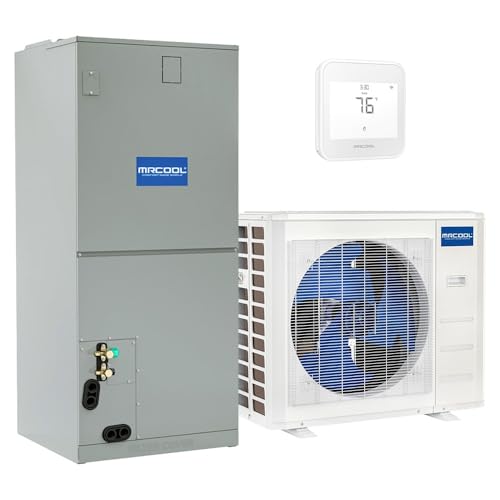
A central air conditioning system works as an integrated loop: the outdoor condenser rejects heat, the indoor evaporator absorbs heat from household air, the compressor circulates refrigerant, and the air handler pushes cooled air through ductwork. Every component depends on the others. When one part falls out of spec, the whole system compensates — usually by running longer and working harder.
Regular maintenance protects that loop in three measurable ways. First, it preserves cooling capacity; a dirty condenser coil alone can noticeably reduce how much heat the system removes. Second, it protects the compressor, the single most important and complex component in the system. Third, it keeps indoor air quality high by ensuring filters and drain pans stay clean and free of biological growth.
Efficiency Preservation
Clean coils and unrestricted airflow let the system reach its rated efficiency instead of working against buildup and resistance.
Compressor Protection
Proper refrigerant charge and lubrication reduce strain on the compressor, the component most often associated with major system failures.
Longer Equipment Life
Consistent care slows wear on motors, bearings, and electrical contacts, helping the system reach and exceed its expected service life.
Homeowners researching how a central air conditioning system is put together quickly realize that maintenance is not optional — it is the difference between a system that quietly does its job for many years and one that becomes a recurring source of repair calls. If you are still evaluating equipment options, our overview of central air conditioning fundamentals is a useful companion read.
The 10-Step DIY Central AC Maintenance Routine
The following routine covers what a homeowner can safely and effectively do. Perform it at the start of cooling season and repeat the lighter checks monthly. Always switch off power at the thermostat and the outdoor disconnect before touching any component.
- Turn off power safely. Set the thermostat to OFF and switch off the dedicated breaker or pull the outdoor disconnect. This prevents the compressor and fan from starting unexpectedly while you work.
- Replace or clean the air filter. A clogged filter is the most common cause of reduced airflow and frozen coils. Use the manufacturer's recommended filter size and check it monthly during heavy use.
- Clear the outdoor unit's surroundings. Remove leaves, grass clippings, and debris from the top and sides. Keep at least two feet of clearance so the condenser can reject heat efficiently.
- Inspect and clean the condenser coil. Rinse the outdoor coil gently with a garden hose from the inside out. Avoid high-pressure spray, which can bend the aluminum fins.
- Check the indoor evaporator coil. If accessible, inspect the indoor coil for dust buildup or frost. A light layer of dust can be brushed away; heavy fouling calls for professional cleaning.
- Flush the condensate drain line. Pour a cup of distilled vinegar through the drain pan access to clear algae and sludge. Verify that water flows freely to the exterior termination point.
- Inspect the condensate pump (if equipped). Confirm the pump activates and discharges water properly, especially in basements or attic installations.
- Examine accessible ductwork. Look for disconnected joints, crushed flex duct, or torn insulation. Seal gaps with mastic or foil tape to prevent cooled air from leaking into unconditioned spaces.
- Test the thermostat. Switch the fan to ON and confirm the blower runs. Then set a cooling call and verify that the outdoor unit starts and delivers cool air after a short delay.
- Listen and observe. Run the system for ten minutes and note unusual sounds, vibrations, or water accumulation. Document anything that seems off so a technician can investigate quickly.
If the system is running but not delivering cold air, our guide to central AC running but not cooling walks through the diagnostic sequence in detail.
Seasonal Maintenance Checklist
Maintenance needs shift with the calendar. Use this quick reference to stay organized across the year.
| Season | Primary Focus | Key Tasks |
|---|---|---|
| Spring | Pre-season preparation | Professional tune-up, filter replacement, outdoor unit cleaning, drain line flush, thermostat calibration. |
| Summer | Peak-load monitoring | Monthly filter checks, condenser clearance inspection, condensate drain verification, airflow monitoring. |
| Fall | Post-season inspection | Coil cleaning, duct inspection, outdoor unit cover preparation, review of any summer performance issues. |
| Winter | Dormant system protection | Breaker management, debris removal from outdoor unit, planning next season's service appointment. |
What a Professional Tune-Up Includes
An annual professional visit complements your DIY work. A qualified technician will typically measure refrigerant charge, test electrical connections and capacitor performance, inspect the blower motor and belt (where applicable), clean coils more deeply than a homeowner can safely achieve, and verify that the system's temperature differential falls within the expected range. Many homeowners schedule this service before summer, when technicians are easier to book and the system is about to face its heaviest workload.
If you notice issues that seem beyond routine maintenance — repeated tripping, unusual odors, or a system that has stopped working entirely — it is worth understanding when a repair is the better path versus replacement. Our breakdown of central air conditioner replacement considerations and the guide to central air conditioning repair help frame that decision.
Filter Selection and Replacement Schedule
The air filter is the cheapest and most effective maintenance part in the entire system. It protects the evaporator coil, blower, and ductwork from dust and debris. Choosing the right filter and replacing it on schedule prevents the cascade of problems that begins with restricted airflow.
| Filter Type | Typical Use Case | Replacement Interval |
|---|---|---|
| Fiberglass panel | Essential tier — basic dust protection | Every 30 days |
| Pleated MERV 8 | Balanced tier — general household use | Every 60–90 days |
| Pleated MERV 11–13 | High-end tier — allergy-sensitive households | Every 60 days, or as pressure drop allows |
| Washable electrostatic | Reusable option for light-duty setups | Clean monthly, replace annually |
Homes with pets, smokers, or high dust levels should shorten these intervals. If you are unsure whether the filter is the culprit behind weak airflow, the article on central air not blowing cold air in the house includes a filter-first diagnostic path.
Condenser and Evaporator Coil Care
The two coils are the heart of the heat-transfer process. The outdoor condenser coil releases heat absorbed from your home, while the indoor evaporator coil absorbs heat from the air stream. Both must remain clean to perform their role.
Condenser coils collect outdoor debris — pollen, dust, cottonwood seed, and grass clippings. A gentle rinse from inside out, performed with the power off, clears most surface fouling. Evaporator coils sit downstream of the filter, so they stay cleaner when filters are changed diligently. If the evaporator coil develops frost, that usually signals restricted airflow or low refrigerant charge rather than a cleaning problem.
When performance issues persist after cleaning, it helps to understand how the system's cooling cycle behaves under stress. Our explainer on central air conditioner not cooling enough covers the common causes in a logical order.
Condensate Drain Line Maintenance
As the evaporator coil removes humidity from household air, condensation forms and drains away through a line that terminates outdoors or at a floor drain. Algae, dust, and biofilm gradually narrow that line until water backs up into the drain pan and eventually overflows. The result is water damage near the air handler — one of the most common and preventable central AC failures.
Flushing the drain line monthly during cooling season is a five-minute task that prevents an expensive problem. If you notice water pooling near the indoor unit, stop running the system and read our guide to central air conditioner leaking water inside the house before restarting.
Early Warning Signs and Troubleshooting
Central AC systems rarely fail without warning. Learning to read the early signs lets you act before a small issue becomes a major repair.
Weak Airflow
Usually a clogged filter, blocked return vent, or failing blower. Start with the filter and duct inspection.
Warm Supply Air
Can indicate low refrigerant, a failing compressor, or a dirty condenser coil. Compare indoor and outdoor unit behavior.
Frequent Cycling
Short run times often point to an oversized system, a faulty thermostat, or a refrigerant charge issue.
Water Near the Air Handler
Almost always a blocked condensate drain or a frozen evaporator coil. Shut the system off before investigating.
Unusual Noises
Grinding, rattling, or squealing suggests motor bearings, loose panels, or debris inside the outdoor unit.
Rising Energy Usage
A gradual efficiency decline often reflects dirty coils, a failing capacitor, or duct leakage that maintenance can catch early.
If the system is completely unresponsive, the troubleshooting sequence in central air conditioner stopped working suddenly is the right starting point. For partial failures where the fan runs but cooling does not, the guide to central air conditioner fan running but not cooling isolates the likely causes.
Stay Ahead of Central AC Problems
Maintenance is a habit, not a one-time event. Save this page, set a monthly reminder for filter checks, and schedule a professional tune-up before each cooling season. Your system will run quieter, cool more consistently, and last longer.
REVIEW THE 10-STEP ROUTINEFrequently Asked Questions
How often should a central air conditioning system be serviced?
Professional servicing is recommended once per year, ideally in spring before peak cooling season. Homeowners should handle filter checks monthly and coil inspections every few months on their own.
Can I perform central AC maintenance without a technician?
Yes. Filter changes, outdoor unit cleaning, condensate drain flushing, and thermostat checks are safe DIY tasks. Refrigerant handling, electrical diagnosis, and deep coil cleaning should always be left to licensed professionals.
What are the most common signs that a central AC needs maintenance?
Weak airflow, lukewarm supply air, frequent cycling, unusual noises, water pooling near the indoor unit, and rising energy usage are the most common indicators that maintenance or repair is overdue.
Does regular maintenance really extend the lifespan of a central AC?
Consistent maintenance keeps components clean, lubricated, and properly charged, which reduces strain on the compressor. This routine care is widely recognized as the single most effective way to extend equipment lifespan.