Why Mobile Home HVAC Deserves Special Attention
Mobile homes — also called manufactured homes — are built differently from site-built houses. Their construction, ductwork layout, ceiling height, insulation values, and structural framing all influence which heating and cooling equipment will perform well and last. A standard residential split system often cannot simply be dropped into a manufactured home without modifications. Understanding these differences is the first step toward making a smart, long-term decision.
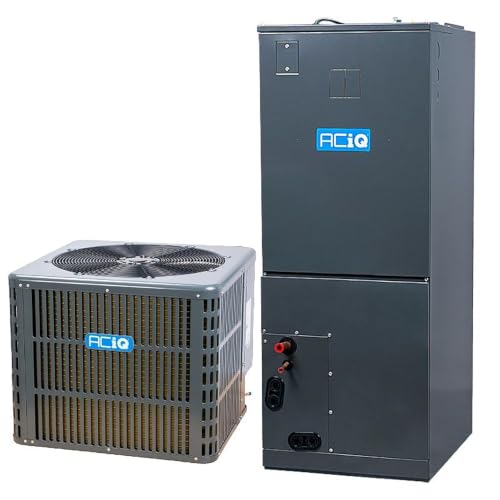
Manufactured homes typically use one of two HVAC configurations: a packaged unit (often located outside on a concrete pad with a short duct connection) or a split system with an indoor air handler tucked into a closet and an outdoor condenser. Each configuration has implications for installation complexity, efficiency, and the space required. The choice between them will shape the overall project scope.
Another critical consideration is the home's vapor barrier and underbelly. Ductwork in mobile homes often runs through the underbelly, which is exposed to temperature swings and moisture. Proper sealing and insulation of that ductwork is essential for efficiency and should be factored into any system replacement or new installation. For homeowners exploring ductless options, resources like air conditioning systems without ductwork provide useful alternatives when retrofitting ducted systems is impractical.
System Types Available for Mobile Homes
Understanding the types of central heat and air systems available for mobile homes is essential for comparing options fairly. The three most common configurations are described below.
1. Packaged Units (All-in-One)
Packaged systems combine the compressor, condenser, evaporator coil, and blower in a single outdoor cabinet. They are connected to the home's ductwork through a short supply and return connection, often via the floor or a side wall. Because everything is in one unit, installation is typically simpler and faster than a split system, and the equipment footprint is contained outdoors. Packaged units are common in single-wide mobile homes and in climates where space is limited.
2. Split Systems
Split systems separate the indoor air handler (evaporator coil and blower) from the outdoor condenser. In mobile homes, the indoor unit is usually installed in a closet or utility space, with refrigerant lines running to the exterior. Split systems can offer higher efficiency ratings and more flexible sizing, but they require more careful planning for the indoor unit placement and refrigerant line routing. They are more common in double-wide and larger manufactured homes.
3. Heat Pump Systems
Heat pumps provide both heating and cooling in a single system by reversing the refrigerant cycle. In moderate climates, they are an efficient choice for year-round comfort. For mobile homeowners considering a combined solution, exploring heat pump and air handler options can clarify whether a heat pump fits the home's electrical capacity and climate needs. Heat pumps are available in both packaged and split configurations.
What Factors Influence the Overall Investment?
The final project scope for a central heat and air unit in a mobile home depends on a combination of equipment selection and installation conditions. Below are the primary factors that professionals evaluate during a site assessment.
Home Size & Layout
Square footage is the starting point for sizing, but the number of rooms, ceiling height, and whether the home is single-wide or double-wide all affect the required capacity and ductwork design.
Insulation & Window Quality
Older mobile homes often have less insulation and single-pane windows. Upgrading these first can reduce the capacity needed and improve long-term efficiency, which in turn influences equipment selection.
Ductwork Condition
Existing ductwork may need sealing, insulation, or partial replacement. Duct design that is undersized or poorly sealed forces the system to work harder and can shorten equipment life.
Electrical Panel Capacity
Newer high-efficiency systems may require a dedicated circuit or panel upgrade. An electrician's assessment is a standard part of the planning process for mobile home HVAC replacement.
Climate Zone
Homes in hot, humid climates need systems sized and configured for dehumidification and extended runtime. Colder climates may favor heat pumps or dual-fuel configurations.
Installation Access
Placement of the outdoor unit, clearance from the home, and routing of refrigerant lines or duct connections all affect labor time and the complexity of the installation.
Sizing: The Most Important Decision
An undersized system will run constantly and fail to maintain comfort on peak days. An oversized system will cool too quickly, leaving humidity high and cycling on and off frequently, which wears out components faster. For mobile homes, sizing must account for the unique construction: lower ceiling heights, different insulation values, and the specific duct layout.
A professional load calculation — often called a Manual J calculation — is the industry-standard method for determining the correct capacity. For a typical single-wide mobile home of around 800 to 1,200 square feet, a 2 to 2.5 ton system is often appropriate. Double-wide homes of 1,500 to 2,000 square feet typically fall in the 3 to 3.5 ton range. However, these are only rough reference points; only a proper load calculation should guide the final selection.
If you are comparing this project to a site-built home scenario, the principles in guides like how to size an air conditioner apply, but the inputs are different for manufactured housing. Always insist that your contractor performs a room-by-room load calculation rather than relying on square footage alone.
Comparing System Tiers
Central heat and air systems for mobile homes are available across a spectrum of quality and efficiency levels. The table below uses neutral tier descriptors to help you understand the relative positioning of equipment options without reference to specific numbers or figures. Use this as a framework when discussing options with a contractor.
| Tier | Typical Characteristics | Best For |
|---|---|---|
| Entry-Level | Basic single-stage compressor, standard efficiency, essential features, durable construction suitable for moderate use. | Homeowners seeking a straightforward replacement with reliable performance for standard comfort needs. |
| Mid-Range | Two-stage or variable-speed compressor options, improved humidity control, quieter operation, better energy efficiency. | Households wanting a balance of comfort, efficiency, and long-term reliability with moderate runtime. |
| Premium | High-efficiency inverter-driven compressors, advanced controls, premium materials, enhanced warranty coverage. | Homeowners prioritizing maximum comfort, quiet operation, and lower energy consumption over the system's life. |
| Top-Tier | Flagship efficiency ratings, smart thermostat integration, superior sound dampening, professional-grade components. | Those seeking the highest level of performance and are prepared for a long-term investment in comfort. |
Entry-level systems are generally well-specified for their class and can be a solid choice when the home's insulation and ductwork are in good condition. Mid-range systems typically offer better humidity control and quieter operation, which many mobile homeowners appreciate in smaller living spaces. Premium and top-tier systems are worthwhile investments when the goal is to minimize energy use over many years and maximize indoor comfort.
Installation Considerations Unique to Mobile Homes
Installation is where many mobile home HVAC projects encounter surprises. A contractor familiar with manufactured housing will assess the following before providing a recommendation:
- Crossover ducts and underbelly access: Many mobile homes use a crossover duct to connect the two halves of a double-wide. This duct must be intact and properly sealed for the system to distribute air evenly.
- Return air path: Mobile homes often have limited return air pathways. A contractor may need to modify or add a return grille to ensure proper airflow.
- Condensate management: Drainage for the evaporator coil must be routed correctly to avoid water damage to the floor or underbelly.
- Pad and clearance for outdoor unit: The outdoor unit needs a level, stable pad with proper clearance for airflow and service access.
- Permits and inspections: Local codes vary, and some jurisdictions require permits for HVAC replacement. Your contractor should handle or advise on this step.
If the home currently has a furnace and you are adding cooling, the process may involve integrating an air handler or coil with the existing heating equipment. Guides on adding air conditioning to ducted heating explain the general approach, though mobile home configurations require specific adaptations.
Efficiency Ratings and Long-Term Operation
Efficiency ratings such as SEER2 (for cooling) and HSPF2 (for heat pumps) are the standardized way to compare equipment. Higher ratings generally mean lower energy consumption during operation. For mobile homes, the benefit of a higher-efficiency system is amplified because the home's envelope — insulation, windows, and duct sealing — is often the weak link. Before investing in a premium-efficiency unit, consider whether weatherization improvements would deliver better returns.
It is also worth noting that proper installation has a larger impact on real-world efficiency than the equipment's rated efficiency. A high-efficiency unit installed with leaky ducts or an incorrect charge will underperform. Choosing a qualified installer is therefore as important as choosing the right equipment tier. Resources on air conditioning tune-up service can help you understand the value of ongoing maintenance.
Maintenance and Lifespan Expectations
A central heat and air system in a mobile home, when properly installed and maintained, typically provides 12 to 15 years of service. The keys to reaching that lifespan are straightforward:
- Change or clean the air filter every 1 to 3 months, depending on usage and dust levels.
- Schedule professional servicing annually — ideally in spring before cooling season.
- Keep the outdoor unit clear of debris, leaves, and vegetation.
- Monitor condensate drainage and address any water pooling promptly.
- Seal and insulate accessible ductwork to reduce energy losses.
- Address unusual noises or reduced cooling performance early to prevent compressor damage.
Homeowners who want to understand the full scope of a maintenance plan can review annual maintenance contract options, which often include priority service and seasonal inspections.
How to Prepare Before Contacting a Contractor
Being prepared will help you get accurate recommendations and avoid unnecessary add-ons. Before scheduling a site visit, gather the following information:
- Home specifications: Year of manufacture, square footage, single-wide or double-wide, and the current heating and cooling equipment model numbers if visible.
- Utility history: Recent electricity bills during peak summer and winter months give a baseline for comparing efficiency improvements.
- Comfort complaints: Note which rooms are too warm, too cold, or humid. This helps the contractor diagnose duct or sizing issues.
- Electrical panel details: A photo of the panel and its main breaker rating helps the contractor anticipate electrical needs.
- Ductwork access: Note whether the home has a crawl space or underbelly access panel and whether ducts are visible.
With this information ready, you can have a more productive conversation and compare proposals on equal footing. If you are still exploring whether a ductless solution might fit your home better, the guide on ductless heating and air conditioning provides a useful comparison framework.
Ready to Explore Equipment Options?
Browse our curated selection of central heat and air systems suited for mobile and manufactured homes. Compare features, efficiency tiers, and configuration options side by side.
VIEW RECOMMENDED SYSTEMSFrequently Asked Questions
What size central heat and air unit does a mobile home need?
Most single-wide mobile homes require a 2 to 3 ton unit, while double-wide homes typically need a 3 to 4 ton unit. The exact size depends on square footage, ceiling height, insulation quality, window area, and local climate. A professional load calculation is always recommended before selecting a unit.
Can a standard central air conditioner be installed in a mobile home?
Mobile homes require specifically designed HVAC systems, often called packaged units or mobile home air conditioners. These units are built to fit the unique ductwork configuration and space constraints of manufactured homes. Standard split systems can sometimes work but usually require modifications to the ductwork and electrical system.
How long does a central heat and air unit last in a mobile home?
A well-maintained central HVAC unit in a mobile home typically lasts 12 to 15 years. Regular filter changes, annual professional servicing, and proper installation all contribute to a longer lifespan. Units in harsh climates may have shorter lifespans due to increased runtime.
Does installing a new HVAC system increase mobile home value?
Yes, a new or well-maintained HVAC system can increase the resale value of a mobile home. Buyers prioritize comfort and energy efficiency, so a modern, efficient system is a strong selling point. Documented maintenance records and warranty coverage further enhance the perceived value.
Final Thoughts
Choosing a central heat and air system for a mobile home is a decision that blends careful sizing, appropriate equipment selection, and qualified installation. By understanding the factors outlined in this guide — from home construction and ductwork to efficiency tiers and maintenance — you are well-equipped to ask the right questions and evaluate proposals with confidence. The goal is not simply to install equipment, but to create a comfortable, efficient living environment that serves your household for many years.
Take your time, compare tier options thoughtfully, and prioritize the quality of installation alongside the equipment itself. When you are ready to browse specific product configurations, the recommended systems section below is organized to help you compare feature sets across categories.