New Heat Pump and Air Handler: What to Know Before You Choose
A heat pump paired with an air handler is one of the most efficient ways to heat and cool a home. This guide explains how the system works, what affects its performance, how to size it correctly, and what to check before committing to a new installation.
Explore the GuideQuick summary: A heat pump moves heat rather than generating it, which makes it efficient in both cooling and heating modes. The air handler circulates conditioned air through your ductwork. Together, they form a complete year-round comfort system that suits many homes, especially those without existing gas infrastructure.
How a Heat Pump and Air Handler Work Together
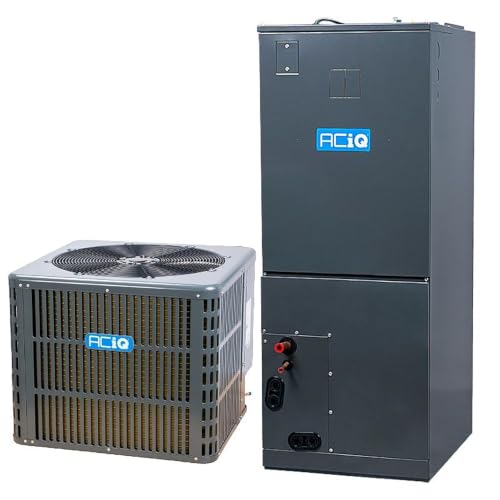
A heat pump and air handler system is a matched pair. The outdoor heat pump unit extracts or releases heat through refrigerant cycles, while the indoor air handler contains the blower, evaporator coil, and often auxiliary heating elements. The air handler pushes conditioned air through the duct network into your rooms.
In cooling mode, the heat pump absorbs heat from indoor air and releases it outside. In heating mode, the process reverses: the system pulls heat from outdoor air (even cold air contains heat) and moves it indoors. The air handler distributes that treated air consistently throughout the home.
This setup differs from a traditional furnace-and-AC combination. Instead of burning fuel to create heat, a heat pump relocates existing heat. That principle is why modern heat pumps can deliver strong efficiency ratings in moderate and cold climates alike. If you are comparing configurations, you may also want to review how a central air and furnace combo differs from a heat pump setup in terms of operation and seasonal performance.
Main System Configurations
There are several ways a heat pump and air handler can be arranged. The right choice depends on your home's ductwork, climate, and how much space you have for equipment.
| Configuration | Tier | Best For |
|---|---|---|
| Split system with air handler | Mid-range to premium | Homes with existing ductwork that want efficient year-round comfort |
| Packaged heat pump | Essential to mid-tier | Properties with limited indoor space and compact duct runs |
| Ductless mini-split heat pump | Mid-range to high-end tier | Additions, older homes without ducts, or room-by-room zoning |
| Variable-speed heat pump with air handler | Premium to luxury | Homeowners prioritizing quiet operation and consistent temperatures |
A split system is the most common arrangement. The outdoor unit sits on a pad or bracket, and the air handler is installed in a closet, attic, basement, or mechanical room. If your home already has ductwork from a previous forced-air system, this is usually the most straightforward path.
For homes without ducts, a ductless configuration can be a practical alternative. The trade-off is that each indoor head serves a specific zone rather than the whole house through shared ductwork. You can explore air conditioning systems without ductwork if you want to understand how zoning works in practice.
Why Correct Sizing Matters
An undersized system struggles to keep up during extreme weather, running continuously and wearing out components faster. An oversized system cools or heats too quickly, cycling on and off frequently. That short cycling reduces dehumidification in summer, creates temperature swings, and stresses the compressor over time.
Proper sizing uses a load calculation that accounts for square footage, ceiling height, window area, insulation quality, air leakage, and local climate. A rule-of-thumb estimate is not enough for a whole-home heat pump. Ask your installer to perform a room-by-room load calculation before recommending equipment.
If you are replacing an existing system, do not assume the old tonnage is correct. Previous installations sometimes used simplified sizing that no longer matches the home after renovations, new windows, or insulation upgrades. A fresh calculation protects your investment and improves comfort.
Related reading on system sizing for specific home sizes can help you frame the conversation with a contractor: new AC unit for a 2000 sq ft house and new AC unit and air handler.
Efficiency Ratings to Understand
Heat pump efficiency is expressed through several ratings. Knowing what each one measures helps you compare models fairly.
- SEER2 — seasonal cooling efficiency. Higher values indicate better cooling performance over a typical season.
- HSPF2 — heating seasonal performance. This reflects how efficiently the system heats across the heating season.
- EER2 — efficiency at a specific peak condition. Useful for understanding performance on the hottest days.
Modern minimum efficiency standards have raised the baseline, so even entry-level heat pumps are more efficient than older equipment. Premium and high-end tier models often add variable-speed compressors, which adjust output in small increments rather than switching fully on and off. That smoother operation improves comfort and can reduce energy use over time.
Cold-climate heat pumps are designed to maintain capacity at lower outdoor temperatures. If you live in a region with harsh winters, confirm the model's rated performance at your design temperature rather than relying only on the headline rating.
What the Air Handler Contributes
The air handler is more than a box with a fan. It houses the blower motor, the indoor coil, the drain pan, and often electric resistance heat for backup. The blower motor type affects noise, energy use, and airflow consistency.
Constant-torque motors are common in essential and mid-tier systems. Variable-speed blower motors appear in premium and top-tier configurations and can maintain airflow more precisely, run at lower speeds for quieter operation, and support better humidity control. If quiet operation matters in your home, a variable-speed air handler is often a meaningful upgrade.
Air filter selection also matters. A restrictive filter can reduce airflow and strain the blower. Choose a filter with an appropriate MERV rating for your system and change it on schedule. You can review air handler filters for guidance on balancing filtration with airflow.
If an existing blower motor fails, replacement is sometimes an option rather than a full air handler swap. See AC handler blower motor replacement for context on when repair makes sense.
Installation Steps and What to Expect
A new heat pump and air handler installation involves more than setting equipment in place. A quality installation follows a sequence that protects performance and longevity.
- Load calculation and equipment selection. The contractor confirms sizing and matches the indoor and outdoor units as a certified combination.
- Site preparation. The outdoor pad or bracket is leveled, and the indoor location is checked for clearance, drainage, and electrical access.
- Electrical and control wiring. Dedicated circuits, disconnect boxes, and thermostat wiring are installed to code.
- Refrigerant line set. Lines are routed, brazed, pressure-tested, and evacuated to remove moisture and air.
- Duct connections. The air handler is sealed to the duct system to prevent leakage. Poor sealing wastes capacity and can pull unconditioned air into the supply stream.
- Charging and commissioning. Refrigerant charge is verified, airflow is measured, and the system is tested in both heating and cooling modes.
- Homeowner walkthrough. The installer explains thermostat settings, filter maintenance, and warranty registration.
Permits are often required for HVAC replacements. Confirm that your contractor pulls the necessary permits and schedules inspections where applicable. Skipping permits can complicate future sales or insurance claims.
If you are also evaluating how new equipment fits with existing heating infrastructure, adding air conditioning to ducted heating explains how shared ductwork affects the decision.
How to Choose the Right Installer
The equipment matters, but installation quality determines how well it performs. A premium heat pump installed poorly will underperform a mid-range system installed correctly.
- Ask for a written load calculation, not just a square-footage estimate.
- Confirm the contractor holds the required license and insurance.
- Request a manual that shows the indoor and outdoor units are a matched pair.
- Ask how duct leakage will be addressed if your ducts are older.
- Review warranty terms for both parts and labor before signing.
- Get more than one proposal so you can compare scope, not just equipment names.
For a broader look at replacement projects, complete HVAC replacement covers how heat pump projects fit alongside other system changes. If you are weighing a heat pump against a more conventional setup, heat pump air conditioning installation and new AC unit and air handler provide useful context on scope and configuration.
Ongoing Maintenance for Long-Term Performance
A heat pump and air handler system benefits from routine service. Filters should be checked monthly during heavy-use seasons and replaced when dirty. The outdoor coil should be kept clear of leaves, grass clippings, and debris. The condensate drain should be checked for clogs, especially before cooling season.
Annual professional service typically includes refrigerant charge verification, electrical connection checks, blower inspection, coil cleaning, and a review of thermostat operation. A maintenance plan can help keep the system efficient and catch small issues before they become repairs. You can read more about annual maintenance contracts if you prefer a scheduled service arrangement.
Keep the area around the air handler clear. Restricted return air can reduce airflow and efficiency. If you notice unusual noises, ice on the outdoor coil, or reduced heating or cooling output, schedule service promptly rather than waiting for the next seasonal check.
Frequently Asked Questions
Does a heat pump need a separate air handler?
In a split system, yes. The air handler circulates air through the ductwork and houses the indoor coil. Ductless systems use individual indoor heads instead of a central air handler.
Can I keep my existing air handler when adding a heat pump?
Sometimes, but the indoor coil and blower must be compatible with the new outdoor unit. Matched systems are strongly recommended because mismatched components can reduce efficiency and may void warranty coverage.
Is a heat pump effective in cold climates?
Modern cold-climate heat pumps maintain useful capacity at low outdoor temperatures. Performance depends on the specific model and your local design temperature. A load calculation and a review of cold-weather ratings will confirm suitability.
How long does installation take?
A straightforward replacement is often completed in one to two days. Projects that involve new line sets, electrical upgrades, or duct modifications may take longer.
What is the difference between SEER2 and HSPF2?
SEER2 measures cooling efficiency over a season, while HSPF2 measures heating efficiency. Look at both when comparing heat pump models for year-round use.
Ready to Compare Heat Pump Options?
Browse recommended heat pump and air handler systems below, then check availability and features to find the configuration that matches your home.
View Recommendations