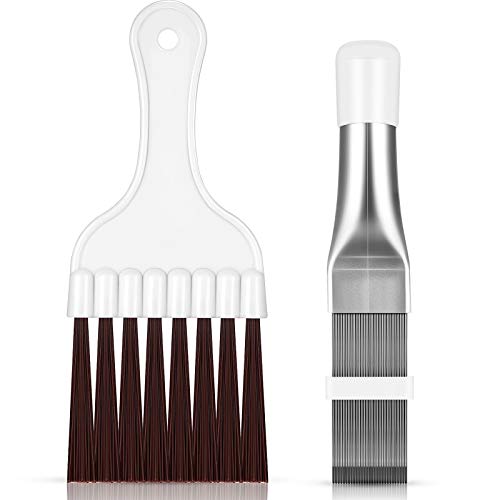
Clean Evaporator Coils on a Central Air Conditioner
A practical, step-by-step guide to restoring airflow, improving cooling performance, and protecting your central AC system through proper evaporator coil cleaning.
The evaporator coil is the component that removes heat and humidity from the air inside your home. When dust, pet hair, and debris collect on the fins, the coil cannot absorb heat efficiently. The result is longer run times, weaker airflow, higher energy use, and eventually frozen coils or compressor strain. Cleaning the evaporator coil is one of the highest-impact maintenance tasks a homeowner can perform on a central air conditioner.
Why this matters: A dirty evaporator coil can reduce cooling capacity and force the system to work harder. Regular cleaning helps maintain comfort, supports energy efficiency, and extends the service life of the equipment. This guide explains what to do, what to avoid, and when to call a professional.
What the Evaporator Coil Does
In a central air conditioner, the evaporator coil sits inside the air handler or above the furnace. Refrigerant enters the coil as a cold, low-pressure liquid and absorbs heat from the indoor air that passes over the fins. Moisture from the air condenses on the coil and drains away. When the coil is clean, this heat exchange happens quickly and efficiently. When it is coated with dust, the coil becomes insulated, airflow drops, and the system struggles to cool the home.
Signs of a Dirty Evaporator Coil
- Weak airflow from supply registers
- System runs longer but the home stays warm
- Ice forming on the refrigerant lines or coil
- Musty or dusty odors near the air handler
- Higher energy use without a change in settings
- Visible dust or lint buildup on the coil fins
Benefits of Regular Coil Cleaning
- Improved cooling capacity and airflow
- Lower energy consumption during cooling season
- Reduced risk of frozen coils and compressor strain
- Better indoor air quality and fewer odors
- Longer equipment lifespan and fewer repairs
- More accurate thermostat response
Tools and Materials You Will Need
Before starting, gather the right tools. Using the correct cleaning solution and soft tools protects the coil fins from damage. Avoid harsh chemicals that can corrode the coil or leave residue in the drain pan.
- Coil cleaning solution (foaming or no-rinse formula designed for evaporator coils)
- Soft-bristle brush or fin brush
- Spray bottle or pump sprayer
- Wet/dry vacuum with a soft brush attachment
- Drop cloth or plastic sheeting to protect the floor
- Gloves and safety glasses
- Fin comb for straightening bent fins
- Flashlight for inspecting the coil
- Adjustable wrench or screwdriver for access panels
Step-by-Step Cleaning Process
The following steps apply to accessible evaporator coils, typically in an upflow or horizontal air handler. Some systems have sealed coils or require panel removal that is best handled by a professional. Work carefully and never bend the fins with excessive force.
-
Turn Off Power and Prepare the Area
Shut off the air conditioner at the thermostat and switch off the breaker that supplies the air handler. Place a drop cloth around the unit to catch debris and cleaning solution. Put on gloves and safety glasses.
-
Access the Evaporator Coil
Remove the access panel or panels that cover the coil. On some systems, the coil is behind a panel above the furnace. Take care not to damage insulation or wiring. Use a flashlight to inspect the coil for dust, lint, and bent fins.
-
Vacuum Loose Debris
Use a wet/dry vacuum with a soft brush attachment to remove loose dust and debris from the coil face. Work gently to avoid bending the fins. Vacuum the drain pan area as well, and clear any visible debris from the condensate drain opening.
-
Apply Coil Cleaner
Follow the manufacturer's instructions for the coil cleaning solution. Apply an even layer to the coil fins, working from top to bottom. Allow the solution to sit for the recommended time so it can lift dirt and grime. Some formulas are no-rinse; others require rinsing with water.
-
Rinse Carefully
If the product requires rinsing, use a spray bottle with clean water and spray the coil gently. Avoid high pressure that can bend fins or force water into electrical components. Have a towel or wet/dry vacuum ready to catch runoff.
-
Straighten Bent Fins
Use a fin comb to gently straighten any bent fins. Improved airflow across the coil helps the system perform efficiently. Work slowly and do not force the comb.
-
Clean the Drain Pan and Drain Line
Wipe the drain pan clean and check that the condensate drain is clear. A clogged drain can cause water damage and musty odors. If the drain line is clogged, use a wet/dry vacuum or a small brush to clear it, or call a technician.
-
Reassemble and Restore Power
Reinstall the access panels and make sure they fit securely. Restore power at the breaker and turn the thermostat back to cooling. Check that airflow is strong and the system is cooling normally. If you notice ice formation or unusual noises, turn the system off and call a qualified HVAC technician.
Maintenance Schedule and Best Practices
Cleaning frequency depends on the home environment and usage. Most central air conditioners benefit from evaporator coil cleaning at least once per year, ideally before the cooling season. Homes with pets, heavy dust, or high cooling demand may need cleaning every six months. Combine coil cleaning with other routine tasks for the best results.
| Maintenance Task | Recommended Interval | Best For |
|---|---|---|
| Replace or clean air filter | Every 1–3 months | All central AC systems |
| Clean evaporator coil | Annually or every 6 months | High-use homes, pet owners, dusty environments |
| Clean condenser coil | Annually | Outdoor unit maintenance |
| Clear condensate drain | Every 6 months | Humid climates and high cooling load |
| Professional system inspection | Annually | All systems, especially older equipment |
Cleaning Products by Tier
Coil cleaning products vary in formulation and convenience. The table below groups common options by market tier so you can choose the right approach for your maintenance routine.
| Tier | Category | Best For |
|---|---|---|
| Entry-Level | Basic no-rinse coil cleaner | Routine annual cleaning for accessible coils |
| Mid-Range | Foaming coil cleaner with applicator | Moderate buildup and homes with pets |
| High-End Tier | Professional-grade coil cleaner and fin tools | Heavy buildup, fin repair, and detailed maintenance |
Common Mistakes to Avoid
- Using a high-pressure hose that bends fins or forces water into electrical parts
- Spraying cleaner on electrical components or the blower motor
- Ignoring the drain pan and drain line, which can lead to water damage
- Forgetting to replace the air filter, which allows dust to build up again quickly
- Skipping coil cleaning because the outdoor unit looks clean — the indoor coil collects dust too
- Continuing to run the system after cleaning without checking airflow and cooling performance
When to Call an HVAC Technician
Some tasks are best left to a qualified professional. Call an HVAC technician if the coil is sealed inside the air handler, if you notice refrigerant leaks or ice formation, if the drain pan is cracked, or if the system does not cool properly after cleaning. Professional maintenance often includes coil cleaning, refrigerant checks, electrical inspection, and airflow testing. For related maintenance topics, see air conditioner condenser maintenance and clean drain pan air conditioner.
Frequently Asked Questions
How often should evaporator coils be cleaned?
Most central air conditioner evaporator coils should be cleaned at least once per year, ideally before the cooling season. Homes with pets, heavy dust, or high usage may need cleaning every six months.
What happens if evaporator coils are dirty?
Dirty evaporator coils reduce heat transfer, causing longer run times, higher energy use, weak airflow, and eventually frozen coils or compressor strain. Regular cleaning protects system performance and lifespan.
Can I clean evaporator coils myself?
Yes, many homeowners can clean accessible evaporator coils using coil cleaner, a soft brush, and a spray bottle. However, coils inside sealed air handlers or requiring panel removal may be better handled by a qualified HVAC technician.
What tools are needed to clean evaporator coils?
Common tools include a coil cleaning solution, soft-bristle brush, spray bottle, wet/dry vacuum, drop cloth, gloves, and safety glasses. A fin comb helps straighten bent fins.