Condensation Pump for Gas Furnace: What Homeowners Need to Know
If you own a high-efficiency gas furnace, the condensate pump is a small but critical component that protects your equipment from water damage and corrosion. This guide explains how it works, how to choose the right replacement, and when to call a professional.
Complete guide for informed buying decisionsQuick insight: A condensation pump for a gas furnace is not an optional accessory on modern condensing furnaces — it is a required component that removes the acidic water produced during combustion. Understanding its role helps you avoid premature system failure and costly repairs.
What Is a Condensation Pump for a Gas Furnace?
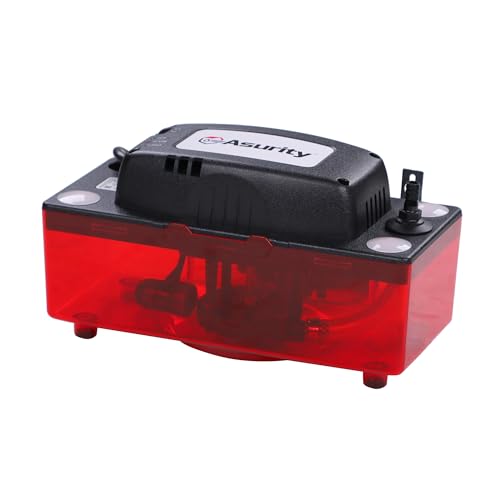
A condensation pump — also called a condensate pump — is a small electric device that collects water produced by your furnace and pumps it to a drain location. High-efficiency gas furnaces extract so much heat from combustion that the exhaust gases cool to the point where water vapor condenses into liquid. This liquid, called condensate, is slightly acidic and must be safely removed from the system.
In many installations, gravity can carry the condensate to a floor drain. But when the furnace is located in a basement, attic, or a space without a nearby drain, a condensate pump becomes essential. It lifts the water up and pushes it through a small tube to a suitable discharge point, such as a utility sink, exterior wall, or drainage line.
Without a working pump, water would back up into the furnace's secondary heat exchanger, causing corrosion, efficiency loss, and potentially dangerous flue gas leaks. This is why most furnace manufacturers require a properly functioning condensate removal system as part of the installation.
Why a Condensation Pump Is Essential for High-Efficiency Furnaces
Modern condensing furnaces achieve efficiency ratings above 90% by capturing heat that older furnaces vented outdoors. That extra heat recovery is exactly what creates the condensate. As a result, the pump is not a peripheral accessory — it is part of the furnace's core operation.
Prevents Water Damage
Standing water inside the furnace or around the base can rust metal components and damage circuit boards. The pump ensures continuous drainage.
Protects the Heat Exchanger
Acidic condensate can corrode the secondary heat exchanger if it is not removed promptly. A reliable pump extends the life of this critical component.
Maintains Safe Operation
Many furnaces have a float switch that shuts the unit down if condensate backs up. A properly sized pump prevents unnecessary shutdowns.
Supports Indoor Air Quality
Water backup can create damp conditions that encourage mold growth. Removing condensate promptly helps keep the mechanical space dry.
How a Furnace Condensate Pump Works
The working principle is straightforward. Condensate from the furnace flows through a drain line into a small reservoir inside the pump. When the water reaches a set level, a float switch activates the motor, which drives an impeller. The impeller pushes the water out through a discharge tube to the destination drain. When the reservoir empties, the float drops, and the motor stops.
- Collection: Condensate drips from the furnace's heat exchanger into a sloped drain pan and travels through a PVC or vinyl tube into the pump reservoir.
- Float activation: As water rises, a float rises with it. At a predetermined level, the float triggers the motor circuit.
- Pumping action: The motor spins an impeller that moves water through the discharge port and out of the reservoir.
- Shutoff: Once the water level drops, the float lowers and the motor stops, ready for the next cycle.
- Safety switch (on many models): If the pump fails or the line clogs, an overflow safety switch can shut off the furnace to prevent flooding.
Understanding this cycle helps you troubleshoot common problems such as a pump that runs continuously, a pump that never runs, or water overflowing from the reservoir.
Types of Condensation Pumps and Market Tiers
Condensate pumps for gas furnaces come in a few basic configurations. The most common is the tank-style pump with a reservoir and float switch. There are also inline pumps that use a smaller collection area for tight spaces. For the purpose of comparison, it helps to think in tiers rather than specific figures.
| Tier | Best For | Key Characteristics |
|---|---|---|
| Entry-level / essential tier | Standard residential furnaces with moderate condensate output | Basic float switch, compact reservoir, suitable for typical home installations |
| Mid-range / balanced tier | Most modern high-efficiency furnaces in residential settings | Quieter operation, larger reservoir, improved float mechanism, overflow safety switch |
| Premium / high-end tier | Long duct runs, high-condensate furnaces, or installations where reliability is critical | Heavy-duty motor, reinforced housing, advanced float design, longer service life |
| Professional-grade / commercial-grade | Multi-unit systems, commercial furnaces, or demanding duty cycles | Industrial components, higher lift capacity, robust construction for continuous operation |
When replacing a pump, matching the tier to your furnace's condensate output and installation layout is more important than choosing the most feature-rich model. An entry-level pump may be perfectly adequate for a standard residential setup, while a premium model makes sense when the pump must lift water over a long distance or operate in a hot mechanical space.
How to Choose the Right Condensation Pump
Selecting the correct pump involves more than picking a familiar brand. The following factors matter most:
1. Lift Capacity and Discharge Distance
Condensate pumps are rated by how high they can lift water (vertical lift) and how far they can push it horizontally. If your discharge point is far from the furnace or requires the water to travel upward, choose a pump with adequate lift capacity. A pump that is undersized for the lift will run longer, wear out faster, and may not keep up with condensate production.
2. Reservoir Size
A larger reservoir allows the pump to cycle less frequently, which can extend motor life. However, larger tanks take up more space. In tight installations, a compact pump with a smaller reservoir may be the only practical option. Balance the available space against the condensate volume your furnace produces.
3. Safety Switch
Many modern pumps include an overflow safety switch that shuts off the furnace if the pump fails or the line clogs. This feature is highly recommended because it prevents water damage and reduces the risk of unsafe operation. If your current pump lacks a safety switch, upgrading to a model with one is a sensible long-term investment.
4. Noise Level
If the furnace is located near living spaces, a quieter pump improves comfort. Mid-range and premium models typically use vibration-dampening mounts and smoother motors. Entry-level pumps are usually louder but acceptable when the mechanical room is isolated.
5. Compatibility with Your Furnace
Check the furnace manufacturer's recommendations for condensate removal. Some furnaces specify a particular type of pump or a minimum lift capacity. Also confirm the voltage and connection type match your existing setup. If you are replacing an old pump, matching the inlet and outlet configuration simplifies installation.
Important note on acidic condensate
Condensate from a gas furnace is slightly acidic and can damage some materials. Most pumps are designed to handle it, but always verify that the pump and tubing are rated for furnace condensate. Avoid using garden hoses or improvised materials that may degrade quickly.
Installation Overview and Best Practices
Replacing a like-for-like condensate pump is often a straightforward task for a handy homeowner, but new installations or complex routing should be handled by a qualified HVAC technician. The general steps are as follows:
- Safety first: Turn off power to the furnace at the breaker before working near the unit.
- Remove the old pump: Disconnect the inlet and outlet lines and the power cord. Note the orientation of the discharge port and the float switch wiring.
- Position the new pump: Place the pump on a level surface close to the furnace drain. Ensure the reservoir inlet is aligned with the furnace drain line.
- Connect the inlet: Route the furnace drain tube into the pump inlet. Use a gentle slope so water flows freely.
- Connect the discharge: Attach the discharge tube and route it to the drain location. Avoid sharp bends or kinks that restrict flow.
- Wire the safety switch (if equipped): Follow the manufacturer's instructions to connect the overflow switch to the furnace control circuit.
- Test the system: Pour water into the reservoir to confirm the pump activates and discharges properly. Check for leaks at all connections.
If you are not comfortable working with electrical connections or if the installation requires new drain routing, hiring a professional is the safer choice. A properly installed pump protects both your furnace and your home.
Maintenance Tips to Extend Pump Life
Condensate pumps are reliable but not maintenance-free. Regular care prevents clogs and premature failure.
Flush the Reservoir
Every few months, pour clean water through the reservoir to clear sediment and biological growth. In humid climates, do this more frequently.
Check the Discharge Line
Inspect the outlet tube for kinks, algae, or debris. A clogged line makes the pump work harder and can cause overflow.
Test the Safety Switch
If your pump has an overflow switch, test it periodically by lifting the float to confirm the furnace shuts down as intended.
Listen for Changes
Unusual noises or frequent cycling can signal a worn impeller or a partial clog. Addressing small issues early prevents bigger problems.
Common Problems and Troubleshooting
Knowing the symptoms of a failing pump helps you act quickly. Here are the most common issues homeowners encounter:
| Symptom | Likely Cause | Suggested Action |
|---|---|---|
| Pump runs continuously | Stuck float, clogged discharge line, or improperly positioned pump | Check the float for debris, inspect the outlet tube, and verify the pump is level |
| Pump never runs | No power, failed float switch, or motor failure | Confirm power at the outlet, test the float, and replace the pump if the motor is dead |
| Water overflows from reservoir | Clogged inlet, failed pump, or undersized capacity | Clear the inlet line, test the pump, and consider a higher-capacity model if the issue recurs |
| Loud grinding noise | Worn impeller or debris inside the pump | Disassemble and clean if accessible, or replace the pump |
| Furnace shuts down unexpectedly | Safety switch triggered by high water level | Investigate the pump and drain line immediately; do not bypass the safety switch |
If the pump is more than several years old and shows multiple symptoms, replacement is usually more reliable than repeated repairs. For related components and system-level issues, you may also find useful information in our guide to condensate pumps for high-efficiency furnaces.
When to Call an HVAC Professional
While some pump maintenance is DIY-friendly, certain situations call for a licensed technician:
New Installation or Rerouting
If you need to install a pump where none existed or change the discharge route, professional help ensures proper slope, lift, and code compliance.
Electrical Connections
Wiring a safety switch into the furnace control circuit requires electrical knowledge. Mistakes can damage the control board or create a safety hazard.
Repeated Failures
If pumps fail repeatedly, the underlying cause may be excessive condensate, poor drainage, or a furnace issue. A technician can diagnose the root problem.
Furnace Shutdowns
If the furnace shuts down due to condensate backup, a professional can verify the pump, switch, and drain system are working together correctly.
Frequently Asked Questions
Why does my gas furnace need a condensation pump?
How often should a furnace condensate pump be replaced?
What happens if the condensate pump fails?
Can I install a condensation pump myself?
Does a condensation pump need regular maintenance?
Related Guides
Ready to Protect Your Furnace?
Explore our recommended condensation pumps for gas furnaces below. Each option is selected based on reliability, compatibility, and real-world performance for residential heating systems.
View Recommended Pumps