Condensate Pump: The Complete Guide to Selection, Sizing & Maintenance
When gravity drainage is not an option, a condensate pump keeps your air conditioner, furnace, or dehumidifier draining safely. Learn how these pumps work, how to size them, which types suit your installation, and how to keep them running reliably for years.
What a Condensate Pump Is and Why It Matters
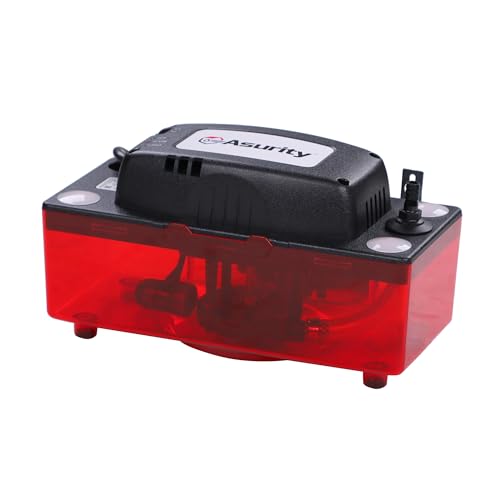
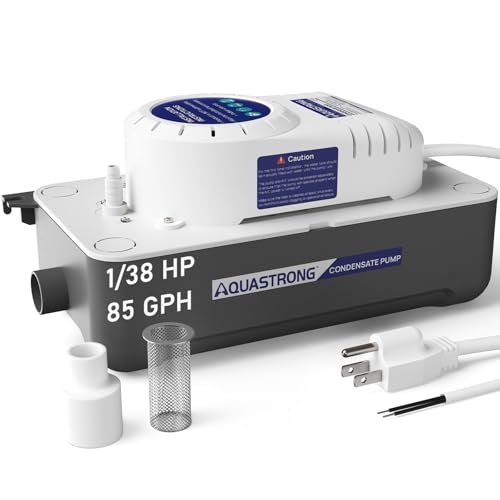
A condensate pump is a small electric device that collects the water produced as condensation by an air conditioner, furnace, or dehumidifier and moves it to a discharge point that is often above or far from the unit. In a typical cooling system, moisture from the indoor air condenses on the evaporator coil and drips into a drain pan. When the building layout does not allow that water to drain by gravity, a pump takes over.
This matters more than many homeowners realize. Standing water in a drain pan can overflow, damage ceilings, walls, insulation, and flooring, and create conditions for mold and algae growth. The pump is a small component with a big responsibility: it protects the indoor space from water damage while letting the heating and cooling system run as designed. If you want the wider context of how the indoor coil, drain pan, and condensate line fit into the equipment, the guide to components of a central air conditioning system explains the layout in plain terms.
How a Condensate Pump Works
Most residential condensate pumps follow the same basic sequence. Condensate drips into a small reservoir or tank inside the pump housing. A float switch rises with the water level. When the float reaches a set point, the switch starts the motor, which drives an impeller. The impeller pushes the water out through a discharge line to a floor drain, utility sink, condensate-neutralizing device, or outdoors.
When the water level drops, the float lowers and the motor stops. Many units include a second, higher-level safety switch that can shut down the HVAC equipment if the reservoir fills beyond the normal start point, preventing overflow when the discharge line is blocked. Understanding this sequence helps during troubleshooting: if the tank fills but the motor never starts, the problem is usually the float or the power supply; if the motor runs but water does not move, the problem is usually the discharge line or the impeller.
For a broader look at how water forms on and around cooling equipment, the articles on condensation inside an AC unit and condensation from an AC vent are useful companions to this page. They explain why the water exists in the first place, which makes the pump's job easier to understand.
When You Actually Need a Condensate Pump
Not every installation needs a pump. If the drain pan can be pitched toward a drain and the condensate line can slope continuously downhill to a suitable discharge point, gravity does the work and a pump may be unnecessary. A pump becomes necessary or strongly preferred in several common situations:
- Below-grade or basement installations: the equipment sits lower than the nearest drain, so water must be lifted.
- Attic and ceiling installations: there is often no drain above the unit, and running a long gravity line is impractical.
- Long horizontal runs: a gravity line that is too long or too flat will hold water and eventually clog or overflow.
- High-efficiency furnaces: condensing furnaces produce acidic condensate that must be routed to a suitable drain, often with a pump. The article on condensate pumps for high-efficiency furnaces covers the specific considerations.
- Dehumidifiers and air handlers located away from a floor drain.
If your system drains by gravity today but the run is long, flat, or frequently clogged, a pump can be a sensible reliability upgrade rather than a last resort. The guide on furnace condensate pump applications and the broader condensate pump overview can help you weigh the options.
Types of Condensate Pumps
Condensate pumps are usually grouped by how they are built and where they are used. The table below summarizes the main categories so you can match the type to your equipment and space.
| Type | Best For | Notable Characteristics |
|---|---|---|
| Standard tank-style pump | Residential AC and furnace condensate | Built-in reservoir, float switch, compact footprint, common in closets and attics |
| Low-profile / slim pump | Tight spaces under or beside equipment | Shallow tank, designed for limited clearance |
| High-capacity pump | Larger systems or multiple appliances | Larger tank and higher flow, often with dual intake ports |
| Condensate removal pump with safety switch | Attics, finished ceilings, critical spaces | High-level switch can shut down equipment before overflow |
| Peristaltic / diaphragm pump | Low-volume, high-lift or acidic condensate | Different pumping mechanism, often used for long lifts or furnace condensate |
| Commercial-grade pump | Larger HVAC equipment and continuous duty | Heavier-duty motor and housing for sustained operation |
Within each category, products differ in tank size, flow rate at a given lift, noise level, and switch design. Entry-level models typically cover simple residential replacements, mid-range units add better float mechanisms and safety switches, and top-tier or commercial-grade models are built for continuous duty and larger condensate volumes. If you are also comparing related drainage topics, the pages on condensate pump replacement and compensate pump basics provide useful context.
How to Size a Condensate Pump
Sizing a condensate pump is about two numbers: how much water the system produces and how high and far the water must travel. The pump's flow rate must be adequate at the actual lift height, not just at zero lift. As lift increases, flow decreases, so always check the pump's performance curve or specification table at your required lift.
Step 1: Estimate condensate volume
Condensate volume depends on the equipment type, capacity, and climate. A useful rule of thumb for cooling systems is that a larger coil and higher humidity produce more condensate. High-efficiency condensing furnaces also produce a steady condensate stream during heating. If you are unsure, choose a pump rated above your estimated peak rather than one that just matches it.
Step 2: Measure lift and run
Measure the vertical distance from the pump to the highest point of the discharge line, then measure the horizontal run to the drain. Both matter. A pump rated for a certain flow at a given lift will move less water if the run is long or the line has many fittings.
Step 3: Check tank and switch features
Smaller tanks cycle more often, which is fine for low condensate volumes. Larger tanks reduce cycling and are preferable when the equipment produces a steady stream. A safety switch is strongly recommended for attic or above-ceiling installations, because it can stop the equipment before an overflow becomes a repair project.
For related sizing and drainage context, the pages on high-efficiency furnace condensate and condensate pump selection are useful references.
Installation and Placement Basics
Correct installation is the difference between a pump that lasts for years and one that fails early. The most important points are level placement, a clean and properly pitched intake, and a discharge line that does not trap water.
- Mount the pump level on a stable surface so the float switch reads the water level accurately.
- Keep the intake clear. A clogged drain pan outlet or intake screen starves the pump and causes cycling or overflow.
- Pitch the drain pan and line toward the pump. Water should flow into the reservoir, not sit in the pan.
- Route the discharge line with a continuous rise to the drain point, avoiding loops and low spots where water can sit.
- Use a check valve if recommended by the manufacturer to prevent water from flowing back into the reservoir after the pump stops.
- Connect the safety switch to the equipment control circuit where provided, so a high-water condition can shut down the system.
If you are installing new equipment rather than replacing a pump, the guides on companies that install air conditioners and ductless installation companies explain what to expect from a professional installation and which drainage questions to ask.
Maintenance and Troubleshooting
Condensate pumps are reliable when they are kept clean, but they are exposed to dust, algae, and sludge. A simple maintenance routine prevents most failures:
- Inspect the reservoir every few months. Remove debris and clean the tank with mild soap and water.
- Flush the discharge line. Algae and biofilm are common causes of blocked lines; flush with water and check for kinks.
- Test the float switch. Pour a small amount of water into the tank and confirm the pump starts and stops at the correct levels.
- Check the safety switch if your unit has one, following the manufacturer's test procedure.
- Listen for changes. Grinding, rattling, or repeated short cycling usually signals a mechanical problem or a partial clog.
Common problems and likely causes
| Symptom | Likely Cause | First Step |
|---|---|---|
| Pump runs but water does not move | Clogged discharge line, kinked tubing, or blocked impeller | Disconnect power, check and flush the line and impeller area |
| Pump never starts, tank fills | Stuck float, power issue, or failed motor | Check power and test the float by hand |
| Pump cycles constantly | Small tank, high condensate volume, or check valve issue | Verify sizing and check valve operation |
| Water backs up into the pan | Blocked intake, undersized pump, or tripped safety switch | Clear the intake and confirm the pump meets the lift and flow requirements |
If the pump is beyond repair, the article on condensate pump replacement walks through what replacement involves and how to prepare. For furnace-specific drainage questions, see condensation pumps for gas furnaces.
Signs It Is Time to Replace
Most condensate pumps last several years, but the exact lifespan depends on run time, water quality, and maintenance. Consider replacement when you notice any of the following:
- The motor runs but flow is weak even after cleaning and flushing.
- The pump trips repeatedly or will not start reliably.
- The housing is cracked or the reservoir leaks.
- The float switch no longer responds consistently.
- The pump is undersized for the equipment and overflows during peak condensate periods.
Replacement is usually straightforward: match the flow rating at your lift height, confirm the tank fits the space, and transfer the discharge line and safety switch wiring. If you prefer to have a technician handle it, the page on cooling and heating repair explains how to find qualified help.
Frequently Asked Questions
What is a condensate pump used for?
A condensate pump collects the water produced by an air conditioner, furnace, or dehumidifier and moves it to a drain located away from or above the unit, when gravity drainage is not possible.
How do I know what size condensate pump I need?
Match the pump to the condensate volume your system produces and the vertical lift and horizontal run required. Check the pump's flow rate at the needed lift height, and choose a unit with a tank capacity and duty rating suited to your equipment.
Why is my condensate pump not pumping water?
Common causes include a clogged intake or discharge line, a stuck float switch, a dirty reservoir, a failed motor, or a power supply issue. Check the line for debris, clean the tank, and test the float before replacing the pump.
Can I install a condensate pump myself?
Many homeowners replace a like-for-like pump as a basic maintenance task. However, if the installation requires new wiring for a safety switch or a new discharge route, a qualified technician is the safer choice.
Do high-efficiency furnaces need a special pump?
Condensing furnaces produce slightly acidic condensate, and the pump and discharge materials must be compatible with it. Check the manufacturer's guidance and the article on high-efficiency furnace condensate pumps for details.
Ready to Choose the Right Condensate Pump?
Review the recommended models below, compare features and tier positions, and pick the pump that matches your lift height, condensate volume, and installation space.
Explore Condensate Pump Options