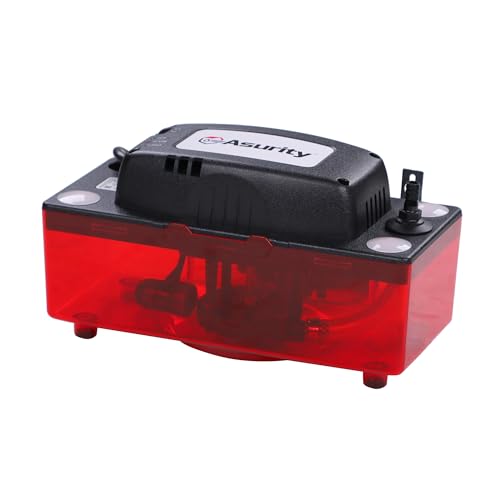
Condensate Pump for High Efficiency Furnace
A high efficiency furnace produces liquid condensate that must be removed reliably. This guide explains how condensate pumps work, how to size and select one, installation basics, and how to avoid the most common failures.
Quick answer: A condensate pump collects the acidic water produced by a high efficiency furnace and lifts it to a drain when gravity flow is not possible. Choose a pump with adequate lift and flow for your furnace, a sealed tank, and a high-level safety switch. Keep the drain line clear and the pump level to prevent overflow and furnace shutdowns.
Why a High Efficiency Furnace Needs a Condensate Pump
High efficiency furnaces (often called condensing furnaces) extract so much heat from the flue gases that the water vapor in those gases condenses into liquid. That liquid—condensate—is mildly acidic and must be routed away from the furnace and the building. In many installations, the furnace sits in a basement or utility closet without a floor drain nearby. A condensate pump solves this by collecting the water in a small tank and pumping it up and over to a suitable drain, such as a laundry sink, standpipe, or exterior discharge point.
Without a working pump, condensate backs up into the furnace. Modern furnaces have safety switches that shut the unit down when water levels rise, which protects the heat exchanger but leaves your home without heat. Understanding the pump's role helps you recognize problems early and choose the right replacement when needed.
How a Furnace Condensate Pump Works
Most furnace condensate pumps are small, tank-style units with a float switch and a motor-driven impeller. Condensate flows by gravity from the furnace into the pump's reservoir. As the water level rises, a float activates the pump, which pushes the water through a discharge line to the drain. When the level drops, the pump shuts off. A check valve prevents water from flowing back into the tank after the pump stops.
Better pumps include a high-level safety switch that can shut off the furnace or trigger an alarm if the tank overfills—for example, if the discharge line is clogged. Some models use a diaphragm or peristaltic mechanism instead of a centrifugal impeller, which can handle slight debris better. The key specification is the pump's ability to lift water vertically (lift) and move it horizontally (run) at a usable flow rate.
How to Choose the Right Condensate Pump
Selecting a pump is about matching capacity to your installation and choosing a durability tier that fits the duty cycle. High efficiency furnaces can produce a steady trickle of condensate during cold weather, so the pump may cycle frequently. Use the table below to compare the main selection factors.
| Factor | What to Check | Why It Matters |
|---|---|---|
| Lift capacity | Vertical height from pump to drain | Pumps lose flow as lift increases; choose a model rated above your needed height |
| Flow rate | Gallons per hour at your lift height | Must exceed the furnace's condensate production rate |
| Tank size | Reservoir volume | Larger tanks reduce cycling frequency and motor wear |
| Safety switch | High-level cutoff or alarm | Prevents water damage and furnace shutdown surprises |
| Check valve | Built-in or external | Stops backflow that causes re-pumping and short cycling |
| Noise level | Manufacturer noise rating | Important if the furnace is near living spaces |
| Durability tier | Entry-level, mid-range, premium | Higher tiers typically offer longer service life and better seals |
Match Lift and Flow to Your Installation
Measure the vertical distance from the pump location to the drain, then add the horizontal run. Most manufacturers publish a performance curve showing flow at various lift heights. Choose a pump whose curve stays above your furnace's condensate output at your required lift. A pump that is marginal at installation will struggle as it ages or as the discharge line accumulates residue.
Choose a Tier That Fits the Duty Cycle
Entry-level pumps are suitable for light duty and occasional cycling. Mid-range models typically offer better seals, quieter operation, and a high-level switch. Premium and top-tier pumps are built for continuous or high-cycle service, with reinforced housings, better check valves, and advanced safety features. For a furnace that runs through long cold seasons, a mid-range or premium model is often a solid choice for its class. The same tier logic applies whether you are replacing a pump or setting up a new system; see HVAC system for broader context on system components.
Safety Features Worth Having
A high-level safety switch is the single most valuable feature. It can be wired to shut off the furnace or to sound an alarm when the tank is near full. This protects the heat exchanger from water damage and prevents a no-heat situation from going unnoticed. A built-in check valve is also worth prioritizing; without one, water in the discharge line drains back into the tank and causes the pump to cycle more often.
Installation Basics and Best Practices
Replacing an existing pump is usually straightforward if the electrical outlet and discharge routing are already in place. New installations require more planning. The steps below outline the general process; always follow the manufacturer's instructions and local codes.
- Locate the pump near the furnace. Place it on a level surface below the furnace condensate outlet so water flows by gravity into the tank.
- Connect the inlet. Use the tubing size specified by the pump manufacturer. Keep the run short and slope it downward toward the pump.
- Route the discharge line. Use reinforced tubing for the pressure side. Avoid kinks and sharp bends. Slope the line so any residual water drains away from the pump.
- Provide a trap if required. Some furnaces require a condensate trap to prevent flue gases from escaping. Follow the furnace manufacturer's instructions.
- Connect power safely. Most pumps plug into a standard outlet. Do not use an extension cord. If a dedicated circuit is needed, have an electrician install it.
- Wire the safety switch. If the pump has a high-level switch, wire it according to the furnace and pump instructions so it interrupts the call for heat when the tank is full.
- Test the system. Pour water into the tank and confirm the pump activates, moves water to the drain, and shuts off. Check for leaks at all connections.
If your installation involves drilling through cabinets, running new electrical circuits, or routing to a distant drain, consider hiring a qualified HVAC technician. For related maintenance context, see HVAC maintenance guide and HVAC inspection checklist.
Common Condensate Pump Problems and Fixes
Most condensate pump issues trace back to clogged lines, a stuck float, or a failed motor. Recognizing the symptoms helps you decide whether to clean, replace, or call a professional.
| Symptom | Likely Cause | Action |
|---|---|---|
| Water pooling near furnace | Clogged discharge line, stuck float, or failed pump | Check line for kinks or debris; test pump with water; replace if motor does not run |
| Pump runs continuously | Check valve stuck open or discharge line siphoning back | Clean or replace check valve; confirm discharge line slopes away |
| Furnace shuts down in cold weather | High-level switch tripped due to full tank | Clear the blockage, empty the tank, and verify the pump operates |
| Gurgling or loud noise | Air in the line or debris in the impeller | Prime the line, clean the tank, and remove debris |
| Pump does not start | No power, stuck float, or failed motor | Check outlet and float movement; replace pump if motor is unresponsive |
Preventive Maintenance
Once or twice a year, inspect the pump tank for sludge and clean it with mild soap and water. Check the discharge line for algae or mineral buildup and flush it if needed. Confirm the float moves freely and the check valve seals. If your furnace has a condensate trap, clean it according to the manufacturer's schedule. These simple steps extend pump life and prevent mid-winter shutdowns. For related drain maintenance, see cleaning air conditioner drain.
When to Call a Professional
Call a qualified HVAC technician if you are unsure about electrical wiring, if the safety switch needs to be integrated with the furnace control board, or if the installation requires new drain routing through walls or floors. A professional can also diagnose repeated pump failures, which may indicate a furnace producing more condensate than expected or a venting issue. If you need help finding a contractor, see HVAC contractor and HVAC professionals.
Frequently Asked Questions
Why does a high efficiency furnace need a condensate pump?
High efficiency furnaces extract heat so thoroughly that flue gases condense into liquid water. This condensate must be drained. When gravity drainage to a floor drain is not possible, a condensate pump collects the water and lifts it to a suitable drain location.
How do I choose the right condensate pump for my furnace?
Match the pump's lift capacity and flow rate to your furnace's condensate output. Consider the vertical lift needed, the horizontal run, tank size, and whether you want safety features like a high-level switch or overflow alarm. Choose a tier appropriate for your system's duty cycle.
What are common signs a condensate pump is failing?
Frequent overflow, gurgling sounds, a pump that runs continuously, water pooling near the furnace, or a furnace that shuts down unexpectedly can all indicate a failing condensate pump or a clogged drain line.
Can I install a condensate pump myself?
A basic replacement of an existing pump is often a straightforward DIY task if the electrical outlet and drain routing are already in place. New installations that require drilling, electrical work, or routing to a distant drain are best handled by an HVAC professional.
How often should a furnace condensate pump be cleaned?
Inspect and clean the pump tank and discharge line at least once a year, ideally before the heating season. In hard-water areas or if the pump cycles frequently, twice a year is a good habit.
Ready to compare condensate pumps and related furnace accessories? Browse our recommended options below.
View Recommended ProductsRelated Guides
Central air with furnace HVAC system HVAC maintenance guide Cleaning AC drain HVAC inspection checklist HVAC contractor