
AC Unit for a 1000 Sq Ft House: The Complete Sizing & Buying Guide
Everything you need to know before choosing a cooling system for a 1000 square foot home — from BTU requirements and system types to efficiency tiers and installation considerations.
Quick answer: A 1000 sq ft house generally needs an air conditioner rated around 20,000 to 24,000 BTU, which corresponds to roughly a 2-ton system. The best system type depends on whether the home already has ductwork: central AC suits ducted homes, while a ductless mini-split is ideal for homes without ducts or with room-by-room zoning needs.
If you are researching an air conditioner for a 1000 square foot house, you are likely at the stage where you know you need a system but want to confirm the right size, type, and efficiency level before committing. This guide walks you through the sizing math, the realistic options for a home this size, and the factors that separate a well-matched system from an underperforming one.
Why 1000 Sq Ft Is a Sizing Sweet Spot
A 1000 square foot home sits in an interesting position. It is large enough that a single small window unit will not comfortably cool the whole space, yet compact enough that a properly sized central system or a multi-zone mini-split can handle it efficiently. This size is common for starter homes, cottages, ADUs (accessory dwelling units), and small ranch-style houses.
The key is not to oversize. An oversized unit cools the air quickly but shuts off before it removes enough humidity, leaving the house feeling clammy. An undersized unit runs constantly, struggles on hot days, and wears out faster. Matching capacity to the actual load is the single most important decision you will make.
How Many BTUs Does a 1000 Sq Ft House Need?
The most widely used rule of thumb is 20 BTU per square foot for average residential conditions. For 1000 sq ft, that gives a baseline of 20,000 BTU. However, this simple calculation assumes standard ceiling height, average insulation, and moderate climate. Real-world requirements often land between 18,000 and 24,000 BTU depending on the variables below.
Factors That Shift the BTU Requirement
Climate Zone
Homes in hot, humid climates need more capacity to handle latent heat and moisture loads than homes in mild coastal or northern climates.
Ceiling Height
Standard 8-foot ceilings are assumed in the rule of thumb. Vaulted or 10-foot ceilings increase the cubic footage and the load.
Insulation & Air Sealing
A well-insulated, tightly sealed home may need less capacity. Older homes with drafty windows and thin attic insulation need more.
Window Area & Orientation
Large south- or west-facing windows with single-pane glass dramatically increase solar heat gain and the required capacity.
Occupancy
Each additional person adds roughly 400 to 600 BTU of sensible load. A home office or frequent guests raise the number.
Kitchen & Appliances
Cooking appliances and electronics add heat. A kitchen that is used heavily benefits from a slightly higher capacity margin.
For an accurate number, a proper load calculation or a BTU calculator by room size will give you a more reliable figure than the rule of thumb alone. Contractors typically use Manual J software to account for all of these variables at once.
System Types That Fit a 1000 Sq Ft House
There is no single "best" system for every 1000 sq ft home. The right choice depends on whether ductwork exists, how the rooms are laid out, and how much control you want over individual spaces.
| System Type | Best For | Typical Capacity Range | Market Tier |
|---|---|---|---|
| Central AC (ducted) | Homes with existing ductwork; whole-home cooling from one thermostat | 1.5 – 2.5 tons | mid-range |
| Ductless mini-split | Homes without ducts; additions; room-by-room zoning | 1 – 2.5 tons total | mid-range to premium |
| Window AC (single or multiple) | Single rooms, budget-conscious setups, temporary cooling | 8,000 – 24,000 BTU each | entry-level |
| Portable AC | Renters, rooms without window support, spot cooling | 8,000 – 14,000 BTU | entry-level |
| Packaged AC unit | Homes with limited indoor space for an air handler | 2 – 3 tons | mid-range |
Central Air Conditioning
If the 1000 sq ft house already has ductwork, central AC is the most straightforward path. A single outdoor condenser paired with an indoor air handler distributes cooled air through the existing ducts. This setup offers consistent temperatures across rooms and a clean, unobtrusive indoor appearance. For homes starting from scratch, adding ductwork is a significant undertaking, and you can explore what that involves through adding central air to a house.
For a home this size, a 2-ton central system is the typical starting point. Homeowners comparing options often look at central air for a 1000 sq ft house and central air unit configurations to understand the scope of the project.
Ductless Mini-Split Systems
A ductless mini-split is often the best fit for a 1000 sq ft home that lacks ductwork or has a layout that makes ducting difficult. One outdoor unit can support multiple indoor heads, allowing you to cool a living area and one or two bedrooms independently. This zoning capability means you are not paying to cool empty rooms.
For a home this size, a dual-zone or tri-zone mini-split is common. You can learn more about the configuration options in mini-split system planning and ductless mini-split air conditioning. If you prefer a sleeker look, concealed duct mini-split options exist as well.
Window and Portable Units
A single window AC cannot realistically cool an entire 1000 sq ft house evenly, but multiple units can work in a pinch for a small, compartmentalized layout. Window units are entry-level in market tier and suit one or two rooms rather than whole-home cooling. Portable units are similarly limited and are best treated as spot-cooling solutions rather than primary systems. If you are exploring this route, the compact and slim window air conditioner category is worth reviewing.
Efficiency Ratings: What to Look For
Efficiency is expressed primarily through the SEER2 rating (the updated U.S. Department of Energy standard). Higher SEER2 numbers indicate more efficient cooling, which matters more in hot climates and for homes that run the system for many hours per day.
- Entry-level tier: Meets the current minimum efficiency standard. Suitable for mild climates and occasional use.
- Mid-range tier: A step up in efficiency, often with variable-speed compressors. A solid fit for most 1000 sq ft homes.
- Premium / high-end tier: Higher SEER2 ratings, quieter operation, and advanced features. Best for hot climates and long cooling seasons.
To understand the rating system in depth, see what a SEER rating means and the SEER vs SEER2 DOE standards. If you are evaluating whether to go with a variable-speed compressor, the inverter AC overview explains the difference in real-world comfort and efficiency.
Installation Considerations for a 1000 Sq Ft Home
Installation quality matters as much as equipment selection. A well-sized system installed poorly will underperform a modest system installed correctly. Key considerations include:
- Electrical capacity: Central systems and larger mini-splits typically require dedicated circuits. Check your panel before committing. See 110V vs 240V air conditioner for voltage guidance.
- Outdoor unit placement: The condenser needs clearance for airflow and should not be boxed in. Placement affects both efficiency and noise. See AC indoor and outdoor placement.
- Duct condition (for central): Leaky ducts waste a large share of cooling. Consider sealing air ducts before or during installation.
- Permits: Most jurisdictions require a permit for new AC installation. See whether you need a permit.
- Contractor selection: Compare quotes from licensed contractors. See how to choose an HVAC contractor and companies that install air conditioners.
Common Mistakes to Avoid
- Oversizing the system. A unit that is too large short-cycles, struggles with humidity, and wears out faster. Match capacity to the calculated load, not to a rough guess.
- Ignoring the ductwork. Even a high-efficiency system underperforms on leaky or undersized ducts. Assess duct condition early.
- Skipping the load calculation. The 20 BTU per square foot rule is a starting point, not a final answer. A proper calculation prevents both oversizing and undersizing.
- Choosing on upfront tier alone. A mid-range system with good installation often delivers better long-term satisfaction than a premium system installed hastily.
- Neglecting maintenance. Regular filter changes and seasonal service protect efficiency and extend system life. See how to clean an AC filter and the seasonal AC checklist.
Decision Framework: Which System Fits Your Home?
Use this simple framework to narrow your options:
- House has ductwork and you want whole-home cooling: Central AC, sized around 2 tons, with a mid-range efficiency tier.
- No ductwork, or you want room-by-room control: Ductless mini-split, multi-zone, mid-range to premium tier.
- Rental, temporary, or single-room focus: Window or portable unit in the entry-level tier, understood as a partial solution.
- Hot climate with long cooling season: Lean toward a higher efficiency tier and consider a variable-speed or inverter compressor.
Final Thoughts
A 1000 sq ft house is a manageable size for cooling, but it rewards careful planning. Confirm your BTU requirement with a proper calculation, choose a system type that matches your duct situation and zoning preferences, and prioritize installation quality. Whether you lean toward central AC or a ductless mini-split, the right match will keep the home comfortable, control humidity, and run efficiently for years.
If you are still comparing system categories, the cooling options for homes without ductwork guide and the whole house AC system overview can help you weigh the trade-offs.
Recommended Air Conditioners for a 1000 Sq Ft House
⚠️ AFFILIATE DISCLOSURE: This website contains affiliate links. As an Amazon Associate, we earn from qualifying purchases. If you make a purchase through these links, we may receive a small commission at no additional cost to you. Read our full affiliate policy.
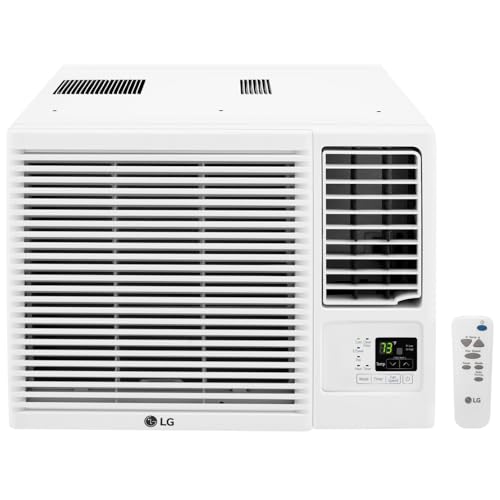
LG 18,000 BTU Window Air Conditioner with Heat, 230/208V, Cools 1,000 Sq.Ft. for Bedroom, Living Room, Basement, Apartment, with Remote, 2 Speeds, 24-Hour Timer, White
Check price on Amazon
DELLA Serena 22 SEER2 18000 BTU Mini Split AC, 230V, Energy Star | Wifi and Alexa,1.5 Ton Pre-Charged Heat Pump, Ductless AC Unit Inverter System for Rooms up to 1000 Sq.Ft,16.4ft Install Kit
Check price on Amazon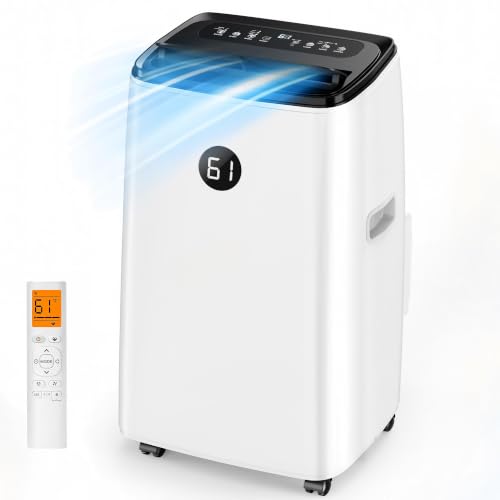
14000 BTU Portable Air Conditioners, 3-in-1 Floor Stand Up Portable AC Unit | Cools Up to 700 Sq.Ft, with Dehumidifier, Fan, Self-Evaporating, Quiet Sleep Mode, Auto Swing, for Large Rooms Bedrooms
Check price on Amazon
14,000 BTU Portable Air Conditioner Cools Up to 700 Sq.Ft, 3-IN-1 Energy Efficient Portable AC Unit with Remote Control & Installation Kits for Large Room, Office, Temporary Space
Check price on Amazon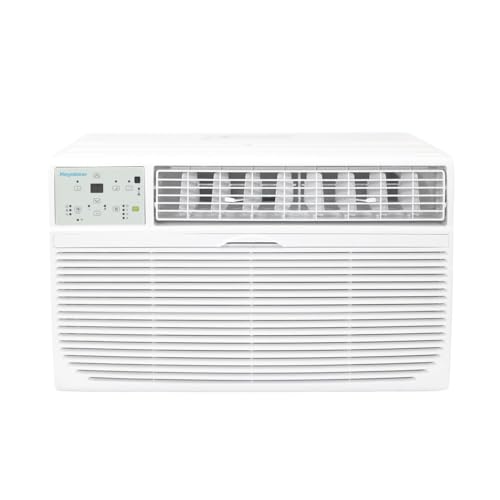
Keystone 12,000 BTU Wall Mounted AC Unit and Dehumidifier up to 550 Sq. Ft. | 115V, Remote Control , Wall Mounted, Quiet, High Efficiency AC for Bedroom, Bathroom, Nursery, and Medium Sized Rooms
Check price on Amazon
DELLA Motto Series 18000 BTU 19 SEER2 230V Mini Split AC, Energy Saving | Cools Up to 1000 Sq.Ft, Alexa and Wifi Control, Ductless Inverter System Air Conditioner, Pre-Charged Heat Pump and 16ft Kits
Check price on Amazon