Cost of a Central Air Unit: A Complete Guide
Understand what drives the investment, compare system tiers, and learn how to plan for a central air installation with confidence.
Investing in a central air unit is one of the most significant decisions a homeowner can make for indoor comfort. Whether you are replacing an aging system or adding cooling to a home for the first time, understanding the factors that influence the overall investment helps you make a well-informed choice.
This guide breaks down the central air unit landscape: what affects the total figure, how different tiers compare, what installation involves, and how to plan your project without surprises. By the end, you will have a clear framework for evaluating options and choosing the right system for your home.
What This Guide Covers
Key Factors That Influence Your Investment
The total outlay for a central air unit is not a single number. It is the sum of several interconnected variables. Understanding each one helps you anticipate the scope of your project and avoid unexpected surprises.
Home Size and Cooling Load
The square footage of your home is the starting point. A larger home requires a more powerful system, which naturally commands a higher position in the market. However, square footage alone is not enough. A proper load calculation considers insulation quality, window area, ceiling height, local climate, and occupancy patterns. Without an accurate load calculation, you risk installing a system that is either oversized (cycling frequently and dehumidifying poorly) or undersized (struggling during peak heat). For a deeper look at sizing, see our guide on how to size an air conditioner.
Ductwork Condition
If your home already has ductwork, the installation is simpler and more straightforward. If ductwork needs to be added or extensively repaired, the project scope expands significantly. Duct sealing, insulation, and layout changes all contribute to the overall investment. Homes without existing ducts may find ductless options worth exploring, but for central air, the ductwork is a critical cost center.
Electrical and Structural Requirements
Central air units require dedicated electrical circuits, proper disconnect boxes, and sometimes panel upgrades. Older homes may need electrical service improvements to safely support a modern system. Structural considerations such as the location of the outdoor condenser unit, clearance requirements, and the routing of refrigerant lines also affect the installation plan.
System Tier and Efficiency
The tier you choose—entry-level, mid-range, or premium—directly influences the unit's position in the market. Higher-tier systems typically offer better efficiency ratings, quieter operation, advanced features, and longer warranties. They also tend to be more durable and efficient in the long run. The section below compares these tiers in detail.
Labor and Local Market Conditions
Installation labor varies by region, season, and contractor availability. Peak summer months often see higher demand, which can affect scheduling and labor rates. Obtaining multiple quotes from licensed contractors is always advisable. For guidance on selecting a contractor, see our article on companies that install air conditioners.
Central Air Unit Tiers Compared
Central air units generally fall into three broad tiers. Understanding what each tier offers helps you match your comfort priorities with the right system.
| Tier | Best For | Key Characteristics |
|---|---|---|
| Entry-Level | Homeowners seeking essential cooling with a straightforward installation | Standard efficiency ratings, basic single-stage operation, solid build quality, shorter warranty coverage |
| Mid-Range | Homeowners wanting a balance of efficiency, comfort, and features | Higher efficiency ratings, two-stage or variable-speed compressors, quieter operation, improved humidity control, longer warranties |
| Premium | Homeowners prioritizing maximum comfort, efficiency, and long-term durability | Top-tier efficiency ratings, fully variable-speed compressors, advanced smart controls, premium materials, extensive warranty coverage |
Mid-range models often represent a sensible balance for many households. They offer meaningful improvements in efficiency and comfort over entry-level systems without the full premium of top-tier models. Premium systems, meanwhile, are a long-term investment that can pay dividends through lower energy consumption and fewer repairs over their service life.
It is worth noting that the tier of the unit is only one part of the equation. A premium unit installed poorly will underperform, while a mid-range unit installed correctly can deliver excellent results. The quality of the installation matters as much as the equipment itself.
Installation Considerations
Installation is a multi-step process that involves more than simply placing the outdoor unit and connecting it to the indoor coil. A professional installation includes load calculation, ductwork assessment, electrical work, refrigerant line routing, system charging, and commissioning.
What a Typical Installation Involves
- Performing a room-by-room load calculation to determine the correct system capacity
- Inspecting and modifying existing ductwork as needed
- Setting the outdoor condenser unit on a level pad with proper clearance
- Installing or replacing the indoor evaporator coil and air handler
- Routing and insulating refrigerant lines
- Connecting electrical components and installing a disconnect
- Evacuating and charging the system with refrigerant
- Testing airflow, temperature differential, and system controls
Each of these steps contributes to the overall project scope. A straightforward replacement in a home with existing, well-maintained ductwork is far less involved than a new installation in a home without ducts. If your project involves adding central air to a home that has never had it, see our guide on adding central air to a house for a more detailed breakdown.
Permits and Inspections
Most jurisdictions require a permit for central air installation. The permit process ensures the work meets local building codes and safety standards. Your contractor should handle the permit application and schedule the necessary inspections. Skipping permits can create problems during a future home sale or insurance claim.
Choosing a Contractor
The contractor you choose has a direct impact on the quality of the installation and the long-term performance of your system. Look for licensed, insured professionals with verifiable references and a track record of installing the type of system you are considering. Our article on companies that fix furnaces also covers how to evaluate HVAC service providers, since many contractors handle both heating and cooling.
Components of a Central Air System
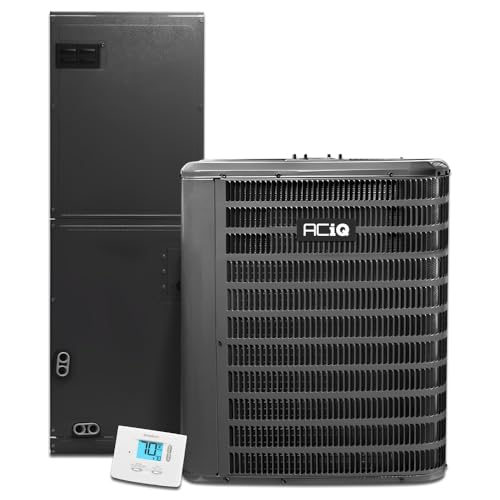
A central air system is more than a single box. It is an integrated assembly of components that work together to cool and distribute air throughout your home. Understanding these components helps you appreciate what your investment covers and where potential issues may arise.
Outdoor Condensing Unit
The outdoor unit houses the compressor, condenser coil, and condenser fan. It is responsible for releasing heat absorbed from your home into the outdoor air. The compressor is the heart of the system and the most significant single component. For a detailed explanation of how the compressor works, see our guide on the compressor for AC unit.
Indoor Evaporator Coil and Air Handler
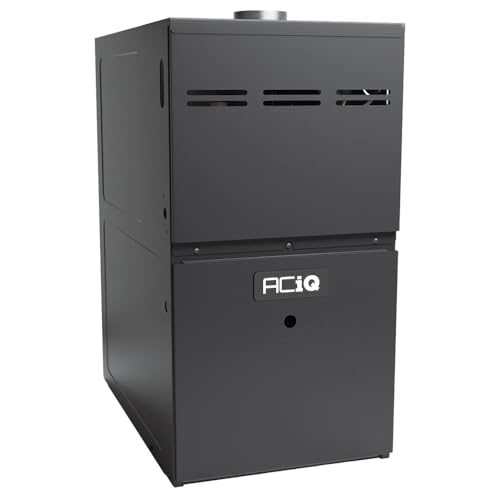
The indoor coil absorbs heat and moisture from the air circulating through your ducts. The air handler—typically a blower and blower motor—moves conditioned air through the ductwork. In some systems, the air handler is integrated with a furnace in a combined package.
Ductwork
Ductwork is the distribution network. Poorly sealed or inadequately insulated ducts can waste a significant portion of the cooling your system produces. If your home has old or damaged ducts, addressing them during a central air installation is a wise long-term investment. For a comprehensive overview, see our article on components of central air conditioning system.
Thermostat and Controls
Modern thermostats offer programmable schedules, smart connectivity, and zoning capabilities. A capable thermostat helps you get the most from your system. If you are also considering heating, a combined cooling and heating control strategy can streamline operation.
Efficiency Ratings and Long-Term Value
Efficiency ratings—SEER, SEER2, EER, and HSPF for heat pumps—are more than regulatory labels. They indicate how much cooling a system delivers for each unit of electricity consumed. A higher-efficiency system may occupy a higher tier in the market, but it can also be more efficient in the long run.
When comparing systems, look beyond the headline efficiency number. Consider the following:
- Climate: In hot, humid climates, higher SEER2 ratings deliver more noticeable benefits over the cooling season.
- Usage patterns: Households that run the system heavily will see more benefit from higher efficiency.
- Electricity rates: Where electricity is relatively higher, efficiency gains translate more quickly into reduced operating expenses.
- Incentives: Federal tax credits and local rebates may be available for high-efficiency installations. Check current programs before making a decision.
For a deeper dive into efficiency ratings, see our article on what is SEER rating.
Repair vs. Replace: Making the Call
If you already have a central air unit, you may be weighing whether to repair it or invest in a new system. Several factors point toward replacement:
- The system is 12 years or older and has needed repeated repairs
- The compressor has failed or is failing
- Efficiency ratings are below current minimum standards
- Refrigerant type is being phased out (such as R-22)
- Repair estimates approach a significant fraction of a new system's position in the market
Conversely, a newer system with a minor component failure—a capacitor, contactor, or blower motor—is often worth repairing. The decision hinges on the age, condition, and efficiency of the existing unit versus the long-term benefits of a new installation.
For related reading, see our guides on replacing a central air conditioning unit and compressor replacement.
Planning Your Central Air Project
A successful project begins with clear priorities. Ask yourself:
- How long do I plan to stay in this home?
- What are my comfort priorities—quiet operation, humidity control, zoning, smart features?
- How much can I invest now versus over the life of the system?
- Are there incentives or rebates available for high-efficiency equipment?
- What is the condition of my existing ductwork and electrical service?
Once you have answers, obtain at least three quotes from licensed contractors. Ask each contractor to explain their load calculation, equipment recommendations, and installation process. A contractor who takes the time to explain the details is more likely to deliver a quality installation.
For a broader view of system options, see our guide on central air conditioning systems.
Frequently Asked Questions
What determines the cost of a central air unit?
The total investment depends on the unit's tier, home size, ductwork condition, electrical requirements, and installation complexity. Labor and local market conditions also play a significant role. A proper load calculation and duct assessment are essential for an accurate project scope.
How long does a central air unit last?
A well-maintained central air unit typically lasts 12 to 20 years, depending on the tier, usage patterns, and maintenance schedule. Premium and professional-grade units often have longer service lives with proper care. Regular filter changes and annual professional inspections help maximize lifespan.
Is it better to repair or replace a central air unit?
If the unit is older than 12 years, requires major component replacement like a compressor, or has efficiency ratings below current standards, replacement is often the more sensible long-term investment. For newer units with minor issues, repair is usually the better choice.
What size central air unit do I need?
Sizing depends on your home's square footage, insulation, window area, climate zone, and ductwork design. A proper load calculation is essential. Oversized units cycle too frequently, while undersized units struggle to maintain comfort. Consult a qualified contractor for an accurate assessment.
How long does installation take?
A straightforward replacement typically takes one to two days. New installations, ductwork modifications, or electrical upgrades can extend the timeline to several days or more. Your contractor should provide a clear schedule before work begins.
Are there incentives for high-efficiency central air units?
Federal tax credits, state rebates, and utility programs may be available for high-efficiency installations. Eligibility and amounts vary by location and change over time. Check with your contractor and local energy office for current programs.
Final Thoughts
The central air unit decision is about more than a single figure. It is about matching your home's needs with the right equipment, installed correctly, and supported by a maintenance plan that protects your investment. By understanding the factors that influence the overall project, comparing tiers thoughtfully, and working with a qualified contractor, you can approach your installation with confidence.
If you are still exploring options, our guide on central air unit costs provides a detailed breakdown of the factors discussed here. For those considering whole-home comfort, our article on cooling and heating repair covers maintenance strategies that extend the life of your system.