The short version: Chemical cleaning is a deep, professional service that dissolves the stubborn grime ordinary rinsing cannot remove — built-up oil films, biological growth, and mineral scale on coils and blower components. It is not the same as a routine filter change, and it is not a task most homeowners should attempt with store-bought sprays.
What Is Chemical Cleaning for an Air Conditioner?
Chemical cleaning — sometimes called a chemical wash, chemical overhaul, or deep coil cleaning — is a professional maintenance procedure in which a trained technician applies specialized cleaning agents to the heat-exchange surfaces and air-path components of an air conditioning system. Unlike a standard tune-up that focuses on inspection and a light rinse, chemical cleaning is designed to break down contaminants that have bonded to metal surfaces over months or years of operation.
Over time, an air conditioner accumulates a cocktail of residues: dust that has mixed with condensation, cooking oils and airborne grease in kitchens, pet dander, pollen, and the thin biological films that thrive in the dark, damp environment of an evaporator coil. These substances do not simply sit on the surface — they cling, oxidize, and gradually insulate the coil. That insulation is the enemy of efficiency, because the refrigerant inside the coil can no longer absorb heat from your indoor air as readily.
Chemical cleaning targets exactly this problem. Technicians use alkaline or acidic coil cleaners, foaming agents, and sometimes enzyme-based solutions, selected according to the material of the coil and the type of contamination present. The chemicals loosen and lift the bonded layer so it can be flushed away, restoring the coil to something close to its original heat-transfer performance.
Why Professional Chemical Cleaning Matters
The benefits of a proper chemical cleaning go well beyond a fresher smell. Understanding these advantages helps you judge whether the service is worthwhile for your situation — and whether a technician is offering a genuine deep clean or a superficial rinse.
Restored Cooling Efficiency
When an evaporator coil is coated with grime, the system must run longer to move the same amount of heat. Restoring the coil surface with chemical cleaning allows the refrigerant to absorb heat more effectively, so the unit reaches the set temperature faster and cycles less. This is one of the most direct ways to recover lost performance in an older system without replacing hardware. If your unit has been struggling, it is worth reading about how a thorough condenser coil cleaning routine complements the indoor-side chemical treatment.
Better Indoor Air Quality
The evaporator coil and blower are the lungs of your system. A dirty coil, a damp drain pan, and a grimy blower wheel are prime habitats for mold, mildew, and bacteria. Chemical cleaning — when performed with the right agents and proper rinsing — removes these biological reservoirs rather than simply redistributing them into the airstream. Households with allergy sufferers, young children, or elderly residents often notice the difference within days.
Protection for the Compressor and Blower
A system fighting a clogged coil runs hotter and at higher head pressure. Over time, that stress accelerates wear on the compressor and the blower motor — two of the most substantial components to replace. Routine chemical cleaning is a maintenance habit that protects these parts, which is why many service professionals treat it as a preventative measure rather than a repair. If you are already hearing unusual sounds, our guide on a compressor that is not working explains the warning signs worth acting on.
Odor Elimination
The musty smell some systems develop — the "dirty sock syndrome" familiar to many homeowners — is often a byproduct of biological growth on the evaporator coil and in the drain pan. Chemical cleaning addresses the source rather than masking it with fragrances. Combined with a clear condensate path (see our notes on condensation inside the AC unit), the result is a noticeably fresher home.
What a Chemical Cleaning Service Typically Includes
Service menus vary by provider, but a thorough chemical cleaning job generally covers the following steps. Use this as a checklist when comparing service tiers or asking a technician what is included.
Typical Deep-Clean Scope
- Inspection and assessment — the technician checks coil condition, drain flow, blower cleanliness, and refrigerant pressures before starting.
- Protective preparation — drop cloths, drain-line protection, and electrical isolation of the indoor unit.
- Filter removal and cleaning — washable filters are cleaned; disposable ones are replaced.
- Coil chemical application — foaming or liquid cleaner applied to evaporator fins, with dwell time to dissolve grime.
- Blower wheel cleaning — the squirrel-cage blower is brushed and treated, since it traps fine dust that ordinary rinsing misses.
- Drain pan and drain line flush — biological slime in the pan and line is cleared to prevent backups and water damage.
- Thorough rinse and neutralization — residues are flushed completely so no cleaning agent is left on the coil.
- Reassembly and performance check — airflow, temperature split, and drain flow are verified after reassembly.
A shortcut version of the service — sometimes called a "chemical wash" as opposed to a "chemical overhaul" — may skip blower removal or limited coil access. Those lighter services have their place for well-maintained systems, but they are not a substitute for a full deep clean when contamination is advanced.
Service Tiers: Judging What You Are Getting
HVAC maintenance offerings vary widely in depth. Rather than comparing providers by headline offer, compare them by scope. The table below describes the common tiers of professional AC cleaning so you can identify where a given service sits.
| Tier | Typical Scope | Best For |
|---|---|---|
| Essential tier | Filter service, light coil rinse, drain check, visual inspection | Systems serviced regularly and showing only light dust buildup |
| Mid-tier chemical wash | Coil chemical application and rinse, drain pan flush, basic blower brushing | Households with moderate buildup, seasonal deep-clean schedules |
| High-end chemical overhaul | Full coil chemical treatment, blower removal and cleaning, drain line clearing, performance verification | Older systems, homes with pets or smokers, allergy-sensitive households, systems with a musty odor |
| Professional-grade contract service | All of the above plus multi-point diagnostics, refrigerant assessment, and documented service records | Landlords, multi-unit properties, and owners who want a maintenance history on file |
When a provider presents its own tiers, ask what the top tier includes that the entry-level tier does not. A clear, itemized answer is a good sign of a professional operation. Vague assurances are not.
How Often Should You Schedule Chemical Cleaning?
There is no universal schedule, but a sensible starting point for most residential systems is once every one to three years, depending on usage and environment:
- Heavy use (daily, long cooling seasons): annual chemical cleaning is the safer cadence.
- Average residential use: every 18 to 24 months, aligned with a pre-season tune-up.
- Low use or newer systems on a regular filter routine: every two to three years is often sufficient.
- Special conditions: homes near construction, coastal salt air, kitchens with heavy cooking, or households with multiple pets may warrant more frequent service.
A useful rule of thumb: if your filters are being changed on schedule but the system still smells musty or cools sluggishly, the coil surface is likely the bottleneck — and that is the signal to book a deep clean rather than another filter swap.
DIY vs. Professional Chemical Cleaning
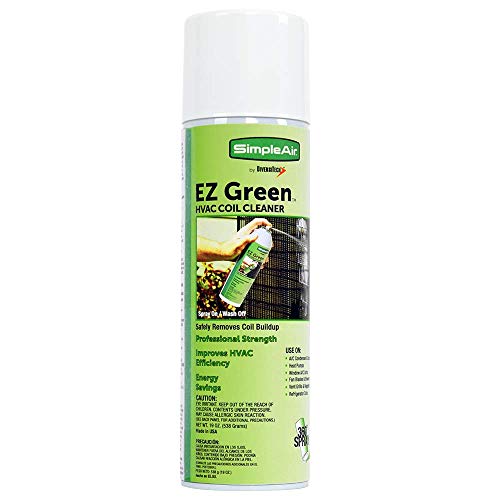
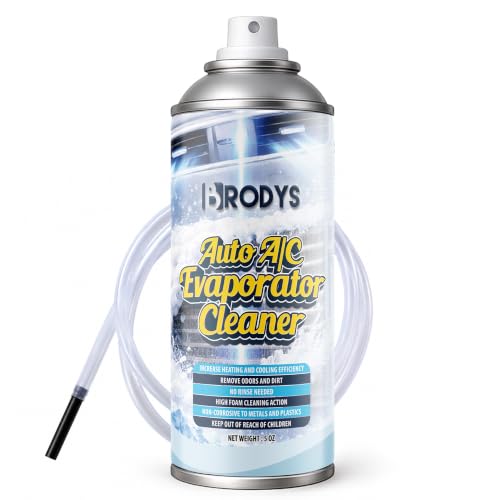
Consumer coil sprays exist, and a confident homeowner can handle gentle surface cleaning on an accessible condenser or a lightly soiled evaporator. But the gap between a DIY rinse and a professional chemical clean is wide. Professionals use stronger, correctly matched agents, control dwell time to avoid etching aluminum fins, protect electrical components and the drain system, and verify results with instruments. The rinse step in particular is where DIY jobs commonly fall short: residual cleaner on a coil attracts new dust and can even accelerate corrosion.
If the indoor coil is difficult to access — as in many ducted and concealed installations — or if the system is older and fragile, professional service is the sensible route. For a broader picture of what scheduled maintenance involves, our overview of a standard HVAC tune-up is a good companion read.
Questions to Ask Before Booking
- Will the blower wheel be removed and cleaned, or only brushed in place?
- What cleaner is used on the evaporator coil, and how is it neutralized?
- Is the drain pan and drain line included in the flush?
- Do you verify airflow and temperature split after the clean?
- Will you document the before-and-after condition in writing?
- If contamination is severe, will you flag it before starting rather than after?
Providers who answer these questions clearly and consistently are usually the ones operating at a professional standard. If you are also considering broader system care, our guide to HVAC inspection scope explains how a diagnostic visit differs from a cleaning visit.
How Chemical Cleaning Fits Into Long-Term System Health
Think of chemical cleaning as the periodic deep reset that keeps everything else working as intended. Filters handle the daily load; chemical cleaning handles the accumulated residue that filters cannot catch. Together, they form the backbone of a maintenance routine that protects your compressor, preserves cooling capacity, and keeps the air you breathe cleaner.
If your system is older and you are weighing whether to invest in maintenance versus replacement, our article on the compressor replacement decision offers a useful framework. And if you are assembling a full-care plan, the related guide on condenser replacement considerations will help you understand where cleaning ends and repair begins.
Frequently Asked Questions
Is chemical cleaning safe for all air conditioner coils?
Not every cleaner suits every coil material. Aluminum fins and certain coated coils require gentler formulations, and technicians should match the agent to the metal. A reputable provider will confirm coil type before applying anything, and will rinse thoroughly so no residue remains.
Will chemical cleaning fix a system that is not cooling?
Sometimes — if the root cause is a heavily fouled coil. But a system that is not cooling can also have refrigerant, compressor, or control issues that cleaning cannot resolve. That is why an assessment before the clean matters; our guide on the components of a central air system shows how many parts interact.
How long does a chemical cleaning appointment take?
Most single-system residential deep cleans take a few hours, depending on access and how much disassembly the blower and coil require. Providers should give a realistic time window up front rather than a rushed promise.
Can I use a chemical clean instead of regular filter changes?
No. Filters catch airborne particulates before they reach the coil; chemical cleaning removes what has already bonded. Skipping filters accelerates coil fouling, and skipping deep cleaning lets residue build regardless of filter habits. Both have a role.
Does chemical cleaning help with allergies?
It can, because it reduces biological growth and accumulated irritants on the coil and blower. It is one part of an indoor air quality strategy, alongside proper filtration, humidity control, and ventilation.