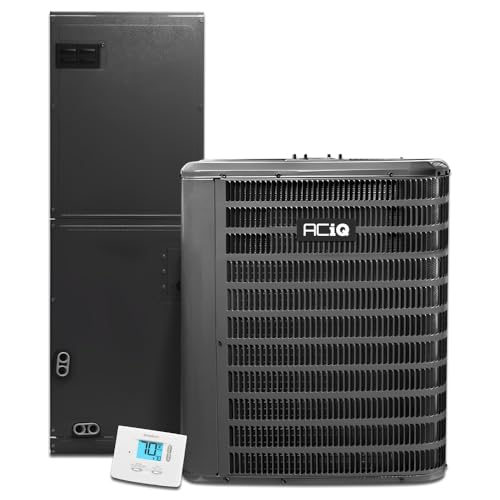
Compressor for Central Air Conditioner: Complete Guide
Understand how the compressor works, what influences replacement decisions, which quality tier fits your system, and how to protect your central AC for the long run.
Why this matters: The compressor is the heart of your central air conditioning system. When it fails, the whole house stops cooling — and the decision to repair or replace shapes the next decade of comfort and efficiency. This guide walks you through how the compressor functions, the tier differences between replacement options, maintenance habits that extend lifespan, and the signs that it is time to call a professional.
What the Compressor Does in a Central AC System
The compressor is the pump that circulates refrigerant through the entire cooling loop. It sits in the outdoor condensing unit and pressurizes refrigerant gas so it can release heat outdoors before returning indoors to absorb heat again. Without a healthy compressor, the system cannot move heat, and the indoor coil will never produce cold air.
Understanding the compressor's role helps you interpret symptoms correctly. A unit that runs but blows warm air, trips the breaker repeatedly, or makes grinding sounds is often showing compressor-related trouble. To see how the compressor fits alongside the other major parts, review the components of central air conditioning system. For a deeper look at the compressor as a standalone component, the compressor for AC unit overview is a useful companion read.
- Circulation: Moves refrigerant between the indoor evaporator coil and the outdoor condenser coil.
- Pressure change: Raises refrigerant pressure so heat can be rejected outdoors efficiently.
- Continuous operation: Runs in cycles throughout the cooling season, making it the most heavily worked mechanical part in the system.
- Efficiency anchor: A failing compressor drags down the whole system's performance, even if every other component is healthy.
If you suspect the compressor itself has stopped responding, the troubleshooting guide on a compressor on air conditioner not working covers the most common electrical and mechanical causes before you call a technician.
Common Signs Your Central AC Compressor Is Failing
Compressors rarely fail without warning. Most give off signals over weeks or months before complete failure. Recognizing these signs early can turn a catastrophic breakdown into a planned service visit.
- Warm air from vents: The indoor fan runs but the air is not cooled — often a compressor or refrigerant issue.
- Frequent breaker trips: A compressor drawing excessive current will trip the circuit breaker repeatedly.
- Outdoor unit silent: The indoor blower works but the outdoor unit never starts, or starts and stops abruptly.
- Grinding or rattling noises: Internal mechanical wear often produces metal-on-metal sounds.
- Rising energy consumption: A struggling compressor works harder and draws more power for the same cooling output.
- Visible oil or refrigerant leaks near the compressor: Indicates seal or housing failure.
When these symptoms appear, a technician will typically test the compressor windings, check refrigerant charge, and inspect the electrical components. The broader compressor HVAC reference explains how the compressor interacts with the rest of the refrigeration cycle during diagnosis.
Replacement Options: Comparing Compressor Quality Tiers
Central AC compressors are not all built the same. Manufacturers position compressors across quality tiers, and the tier you choose affects durability, noise, and long-term reliability. The table below uses universal tier descriptors instead of numeric figures so the comparison stays useful regardless of market conditions.
| Tier | Typical Characteristics | Best For |
|---|---|---|
| Entry-Level | Standard reciprocating or basic scroll design, conventional motor windings, functional but less refined sound profile. | Older systems where a straightforward replacement keeps the unit running for its remaining service life. |
| Mid-Range | Improved scroll design, better internal clearances, quieter operation than entry-level, solid durability for typical residential use. | Most homeowners replacing a failed compressor on a system that still has several productive years ahead. |
| Premium | High-efficiency scroll compressor, enhanced vibration damping, tighter manufacturing tolerances, longer expected service life. | Households that run the AC heavily and want to minimize future service interruptions. |
| Flagship | Variable-speed or inverter-driven compressor, precise capacity modulation, very quiet operation, top-tier materials and engineering. | High-end systems and homeowners prioritizing comfort, efficiency, and long-term reliability above all. |
In practice, the right tier depends on the age and condition of the rest of the system. A premium compressor bolted onto a corroded outdoor coil and aging blower may not deliver the expected benefit. Conversely, an entry-level compressor in a home that only uses the AC a few weeks per year can be a sensible, well-matched choice. The technician performing the diagnosis can recommend a tier that fits the system's overall condition.
For context on how compressor replacement fits into the broader repair landscape, the compressor replacement cost HVAC guide discusses the factors technicians weigh. If the compressor is still under warranty, the AC warranty registration article explains how to keep documentation in order.
Repair or Replace: How to Decide
A failed compressor forces a decision that goes beyond the compressor itself. The two paths are:
- Replace the compressor only: Usually reasonable when the system is relatively young, the outdoor coil and indoor coil are in good condition, and the rest of the components have plenty of service life remaining.
- Replace the entire outdoor unit or full system: Usually the better long-term move when the system is near the end of its expected lifespan, the coil is corroded, or the unit uses an older refrigerant type that is being phased out.
A useful rule of thumb: if the compressor fails on a system that has already delivered the majority of its expected lifespan, putting a new compressor into an aging shell is rarely the most efficient long-term path. On a younger system with a clean bill of health elsewhere, compressor replacement keeps the investment in the existing equipment intact. The replace vs repair decision guide walks through this trade-off in more depth, and the cost of a new compressor for an air conditioner reference provides additional context on the replacement route.
Installation quality matters as much as the compressor tier. A premium compressor installed with a sloppy line set, incorrect charge, or poor electrical work will underperform. Always confirm the technician follows the manufacturer's installation procedure, including evacuation, brazing with nitrogen, and proper charge verification.
How to Extend the Life of Your Central AC Compressor
Most compressor failures are preventable. The compressor is a sealed mechanical device, but the conditions around it — electrical supply, refrigerant charge, airflow, and cleanliness — determine how long it lasts.
- Keep the condenser coil clean: A dirty outdoor coil forces the compressor to work harder and run hotter. Regular condenser coil cleaning is one of the highest-value maintenance tasks.
- Change air filters on schedule: Restricted airflow reduces heat transfer and strains the compressor. Learn the right cadence in when to replace AC filter.
- Schedule annual professional service: A technician checks refrigerant charge, electrical connections, and capacitor health — all of which affect compressor reliability.
- Fix refrigerant leaks promptly: Low charge causes the compressor to overheat. The refrigerant leak repair guide explains the warning signs.
- Address electrical issues early: A weak capacitor or failing contactor can prevent the compressor from starting or cause it to draw excessive current.
- Protect against short cycling: Frequent on-off cycling wears the compressor faster than steady operation. A properly sized system and a healthy thermostat help prevent this.
For a full seasonal checklist, the seasonal AC checklist covers the tasks worth completing before each cooling season. If the compressor is already showing symptoms, the when to call HVAC technician guide helps distinguish between a DIY-appropriate issue and a job for a licensed professional.
What to Expect During Compressor Replacement
Compressor replacement is a multi-step procedure that goes well beyond swapping the part. A proper job includes:
- Refrigerant recovery: The existing refrigerant is recovered into a certified container — it cannot be vented to the atmosphere.
- Electrical verification: The technician checks the capacitor, contactor, and wiring before installing the new compressor, since a failed electrical component can destroy a new compressor on startup.
- Line set inspection: The refrigerant lines are inspected for contamination or kinks that could restrict flow.
- New filter drier: A new filter drier is installed to protect the new compressor from moisture and debris.
- Evacuation and charging: The system is evacuated to remove moisture and non-condensable gases, then charged to the manufacturer's specified weight.
- Startup and verification: The technician verifies amperage draw, pressures, and temperature split before declaring the job complete.
Because refrigerant handling, brazing, and electrical work are all regulated tasks, compressor replacement is not a do-it-yourself project. A licensed technician protects both the equipment warranty and the safety of the household.
Frequently Asked Questions
How long does a central air conditioner compressor last?
What are the signs that a central AC compressor is failing?
Should I repair or replace a failed compressor?
Does compressor replacement require a licensed technician?
Ready to Explore Replacement Options?
Browse recommended central air conditioner units and compressor-compatible systems from trusted brands. Compare features, efficiency ratings, and system configurations to find the right fit for your home.
View Recommended Systems