Heat Pump Air Conditioning Installation Cost: A Complete Guide
Understand the factors that shape your installation project, compare system tiers, and make an informed decision for your home
EXPLORE THE GUIDEPlanning a heat pump installation? Understanding what influences the overall project scope helps you prepare effectively. This guide breaks down the key variables—from home size and existing ductwork to system tier and labor complexity—so you can approach your HVAC professional with confidence and clarity.
What Shapes Heat Pump Installation Projects?
A heat pump air conditioning installation is a significant home upgrade that combines heating and cooling in a single efficient system. Unlike traditional separate units, heat pumps move heat rather than generate it, which can lead to long-term energy efficiency benefits. However, the installation process involves several variables that affect the overall project scope.
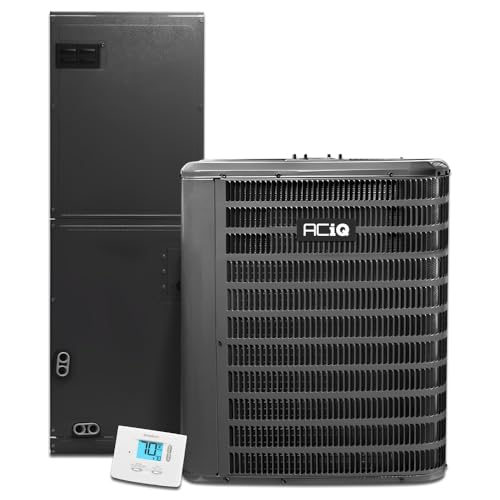
Before diving into specifics, it's helpful to understand the components involved. A typical installation includes the outdoor heat pump unit, an indoor air handler or coil, refrigerant lines, electrical connections, and often a thermostat upgrade. If your home lacks existing ductwork, additional work may be required—this is where systems like air conditioning systems without ductwork become relevant alternatives.
- Home size and layout: Larger homes typically require more powerful systems and longer refrigerant runs, increasing project complexity.
- Existing ductwork condition: If ducts are present, they may need sealing, insulation, or modification. Homes without ducts may need a ductless approach.
- System tier and efficiency: Entry-level, mid-range, and premium systems differ in features, compressor technology, and seasonal efficiency ratings.
- Electrical infrastructure: Older homes may need panel upgrades or dedicated circuits to support modern heat pump systems.
- Labor and permits: Local regulations, permit requirements, and contractor rates vary by region and project scope.
- Additional components: Thermostats, zoning controls, air filtration, and smart home integration add to the overall project.
Comparing Heat Pump System Tiers
When evaluating heat pump options, it helps to classify systems into tiers based on features, efficiency, and build quality. This framework allows you to match your comfort priorities with the right level of investment—without relying on transient figures.
Entry-Level Systems
Single-stage compressors, standard efficiency ratings, and basic thermostat compatibility. A solid choice for moderate climates and homeowners seeking straightforward functionality with dependable performance.
Mid-Range Systems
Two-stage or variable-speed compressors, improved seasonal efficiency, and quieter operation. These systems offer enhanced comfort control and energy performance for most households.
Premium Systems
Variable-speed inverter technology, highest efficiency ratings, smart thermostat integration, and advanced humidity control. Ideal for homeowners prioritizing maximum comfort and long-term energy efficiency.
Commercial-Grade Systems
Heavy-duty construction, extended warranties, and advanced diagnostics. Designed for larger properties or applications demanding continuous, reliable operation.
Long-Term Efficiency Considerations
While the initial project scope varies by tier, higher-efficiency systems often deliver lower monthly energy consumption. Over time, this can offset the larger upfront investment. When comparing options, consider the seasonal energy efficiency ratio (SEER2) and heating seasonal performance factor (HSPF2) ratings to estimate long-term operational efficiency. For a deeper dive into efficiency metrics, explore our guide on SEER ratings.
What to Expect During Installation
Understanding the installation timeline helps you plan and set realistic expectations. A typical heat pump installation follows these phases:
- Assessment and load calculation: A professional evaluates your home's heating and cooling needs using Manual J or similar protocols.
- Equipment selection: Based on the load calculation, the contractor recommends a system tier and capacity that fits your home.
- Site preparation: This may include modifying ductwork, installing a new thermostat, or preparing electrical connections.
- Installation day: The outdoor unit and indoor components are installed, refrigerant lines are connected, and the system is charged.
- Testing and commissioning: The contractor verifies airflow, refrigerant charge, and system controls before walking you through operation.
For a broader look at HVAC project planning, you may find our resource on central air conditioning system installation helpful for comparison.
Key Factors That Influence Project Scope
Several variables can expand or streamline your installation project. Being aware of these helps you ask the right questions and avoid surprises.
- Home age and insulation: Older homes may require duct sealing, insulation upgrades, or electrical improvements to support modern heat pump performance.
- Ductwork modifications: If your existing ducts are undersized or leaky, they may need to be replaced or sealed—adding to the project scope.
- Refrigerant line length: Longer runs between indoor and outdoor units require additional materials and labor.
- Permit and inspection requirements: Local codes may require permits and inspections, which add administrative steps to the timeline.
- Thermostat and controls: Upgrading to a smart thermostat or zoning system adds convenience and efficiency but also additional components.
Choosing the Right HVAC Professional
The quality of installation significantly impacts system performance and longevity. When selecting a contractor, consider the following:
- Licensing and insurance: Verify that the contractor holds the required licenses and carries liability insurance.
- Experience with heat pumps: Ask about their experience with modern heat pump systems and inverter technology.
- Detailed proposal: A reputable contractor provides a written proposal outlining equipment, labor, and warranty terms.
- References and reviews: Check customer feedback and ask for references from recent installations.
- Warranty support: Understand the manufacturer and labor warranties, and how claims are handled.
For guidance on evaluating contractor proposals, see our article on how to choose an HVAC contractor.
Frequently Asked Questions
How long does a heat pump installation take?
Most residential installations are completed in one to three days, depending on the complexity of the project. Homes requiring ductwork modifications or electrical upgrades may take longer. Your contractor can provide a more precise timeline after assessing your home.
Do I need to upgrade my electrical panel for a heat pump?
Not always. Modern heat pumps are increasingly efficient and may operate on existing electrical service. However, older homes with limited panel capacity may require an upgrade. A qualified electrician or HVAC contractor can assess your panel during the initial evaluation.
Can I install a heat pump in a home without ductwork?
Yes. Ductless mini-split heat pumps are an excellent option for homes without existing ducts. These systems use compact indoor air handlers mounted on walls or ceilings, connected to an outdoor unit via small refrigerant lines. Explore our guide on ductless mini-split AC for more details.
What is the difference between a heat pump and a traditional air conditioner?
A heat pump provides both heating and cooling by reversing the refrigerant cycle, while a traditional air conditioner only cools. In moderate climates, a heat pump can be a highly efficient year-round solution. Learn more in our comparison of heat pumps vs air conditioners.
How do I know which system tier is right for my home?
The right tier depends on your comfort priorities, climate, and long-term energy goals. Entry-level systems offer dependable performance, while premium systems provide enhanced efficiency and quiet operation. A professional load calculation and consultation will help you choose the best fit for your home.
Final Thoughts
Heat pump air conditioning installation is a worthwhile investment in year-round comfort and energy efficiency. By understanding the factors that influence project scope, comparing system tiers, and selecting a qualified contractor, you can approach your installation with confidence. Remember to focus on long-term performance rather than transient figures—the right system for your home will deliver comfort and efficiency for years to come.
For related topics, explore our guides on air source heat pump installation and new heat pump and air handler considerations.