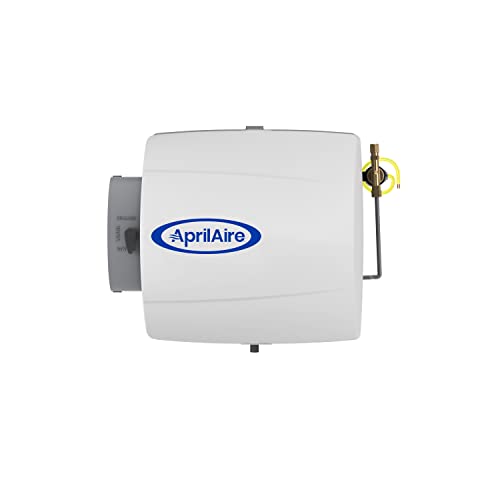
Cost of Installing a Humidifier on Your Furnace
A complete guide to understanding furnace humidifier installation, system types, and what factors influence the overall project scope
Why add a humidifier to your furnace? Dry indoor air during heating season can cause discomfort, static electricity, dry skin, and even damage to wooden furniture and flooring. A furnace-mounted humidifier integrates with your existing HVAC system to deliver balanced moisture throughout your home. This guide explains how the installation works, what system types are available, and which factors shape the overall project.
Whether you are considering a whole-house humidifier or a simpler bypass unit, understanding the installation process helps you plan effectively and choose the right system for your home's size and heating setup.
💡 Key Takeaways
- A furnace humidifier connects directly to your forced-air system, using the blower to distribute moisture through existing ductwork.
- Three main system types exist: bypass, fan-powered, and steam humidifiers, each suited to different home sizes and moisture requirements.
- Installation complexity depends on whether your home has a dedicated water line, electrical outlet near the furnace, and adequate duct access.
- Professional installation is recommended for steam units and for any setup requiring new plumbing or electrical work.
- Regular maintenance, including pad replacement and water panel cleaning, keeps the system operating efficiently season after season.
Types of Furnace Humidifiers
Furnace humidifiers fall into three broad categories. Each uses a different method to introduce moisture into the heated air stream, and each has distinct installation requirements. Understanding these differences helps you match the system to your home's layout and your family's comfort needs.
| System Type | How It Works | Best For | Tier |
|---|---|---|---|
| Bypass Humidifier | Uses furnace supply and return ducts to route air through a water-soaked pad. Requires a bypass duct connection. | Homes with adequate duct access and moderate humidity needs. | Entry-Level |
| Fan-Powered Humidifier | Includes a built-in fan that pushes air through the humidifier pad, independent of furnace blower speed. | Larger homes or setups where duct runs are longer or more complex. | Mid-Range |
| Steam Humidifier | Boils water to create steam, which is injected directly into the ductwork. Operates independently of furnace heat. | Homes needing precise humidity control or very dry climates. | Premium |
For homeowners comparing broader HVAC upgrade options, our guide on HVAC system considerations provides additional context on how humidifiers fit into a complete indoor air quality strategy.
Benefits of Installing a Humidifier on Your Furnace
Adding moisture to heated air delivers comfort and practical benefits that extend beyond the heating season. Here is what homeowners typically notice after installation:
🌡️ Balanced Indoor Humidity
Maintains moisture levels in the 30–50% range, reducing the dry-air discomfort that often accompanies forced-air heating.
🩹 Health and Respiratory Comfort
Proper humidity can ease dry nasal passages, reduce static shock, and help keep airborne dust settled.
🏠 Protects Home Materials
Wood flooring, furniture, and musical instruments benefit from stable humidity, which minimizes cracking and warping.
⚡ Energy Efficiency Support
Moist air feels warmer at the same temperature, allowing you to set the thermostat slightly lower without sacrificing comfort.
How the Installation Process Works
The installation process for a furnace humidifier is straightforward for a qualified HVAC technician. The exact steps vary by system type, but the general workflow follows a predictable sequence.
Assessment and Placement
The technician inspects your furnace, ductwork, and available utility connections. They select a mounting location on the supply or return plenum where the humidifier can be serviced easily.
Water Line Connection
A small water supply line is routed from a nearby pipe to the humidifier. This may require tapping into an existing copper or PEX line and installing a saddle valve or dedicated shutoff.
Duct and Electrical Work
Bypass units need a duct connection between supply and return. Fan-powered and steam units require low-voltage wiring to the furnace control board and, for steam models, a dedicated electrical circuit.
Drain and Testing
A drain line carries excess water to a floor drain or condensate pump. The technician then tests the system, checks for leaks, and calibrates the humidistat.
For homes with older forced-air systems, it may be worth reviewing the broader context of adding components to an existing forced-air furnace to understand how humidifier installation fits alongside other upgrades.
Factors That Influence the Overall Project Scope
Every home is different, and the scope of a furnace humidifier installation reflects the specific conditions of your HVAC setup. The following factors are the most common variables that affect the project:
| Factor | Impact on Installation | Tier Consideration |
|---|---|---|
| System Type | Bypass units are simplest; steam units require the most extensive setup. | Entry-level bypass vs. premium steam |
| Existing Plumbing Access | Proximity to a water line reduces labor; distant or unfinished areas add complexity. | Simple tap vs. new line run |
| Electrical Availability | Steam humidifiers need a dedicated circuit; low-voltage units use furnace power. | Plug-in vs. new circuit |
| Ductwork Condition | Sealed, accessible ducts simplify installation; cramped or damaged ducts add work. | Accessible vs. retrofitted |
| Drain Location | A nearby floor drain simplifies setup; otherwise a condensate pump is needed. | Gravity drain vs. pump-assisted |
If your home has multiple HVAC zones or a complex duct layout, the installation may involve additional coordination. Our guide on ducted system installation offers related insights into ductwork considerations.
Maintenance Considerations After Installation
A furnace humidifier requires seasonal attention to remain effective. Bypass and fan-powered units typically use a water panel or pad that should be replaced once per heating season. Steam humidifiers may need periodic descaling and electrode replacement. Homeowners should also check the drain line for clogs and verify the humidistat settings at the start of each heating season.
Routine maintenance extends the life of the unit and keeps moisture output consistent. Many HVAC service plans include humidifier inspection as part of a seasonal tune-up, which pairs well with regular HVAC system servicing.
Frequently Asked Questions
Related HVAC and Comfort Topics
Exploring a furnace humidifier often leads homeowners to consider broader HVAC upgrades. The following guides provide useful context for planning home comfort improvements:
- Whole-house humidifier installation — compares standalone and HVAC-integrated approaches.
- Central air conditioning system installation — for homeowners planning a full HVAC refresh.
- New central heat and air unit considerations — understanding combined heating and cooling projects.
- Ductless air conditioner installation — an alternative for homes without ductwork.