Cost of New Central Heat and Air Unit: What to Expect
Planning to replace or install a central HVAC system? This guide breaks down the cost of a new central heat and air unit, the factors that move the numbers, and how to prepare for a smooth, well-informed purchase.
Why this page exists: Most homeowners start researching the cost of a new central heat and air unit only after the old system fails. That urgency often leads to rushed decisions. Our goal is to give you the full picture in advance so you can compare options, understand what drives the numbers, and choose a system that fits your home and your long-term energy goals.
Cost Overview at a Glance
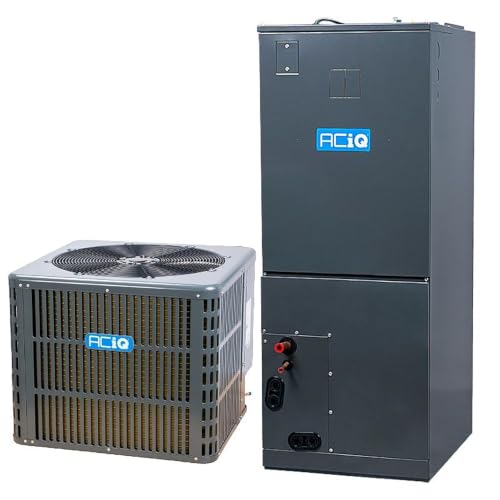
The cost of a new central heat and air unit is not a single line item. It is a bundle that includes the outdoor condenser, the indoor air handler or furnace, refrigerant lines, a thermostat, labor, permits, and often ductwork adjustments. Because every home is different, the final figure varies widely — but understanding the building blocks helps you read quotes with confidence.
As a general orientation, central heat and air installations fall into three broad market tiers. Use these descriptors to compare quotes without relying on any single number:
| Tier | Typical Scope | Best For |
|---|---|---|
| Entry-Level | Standard single-stage equipment, basic thermostat, minor ductwork work | Straightforward replacements in homes with existing, serviceable ductwork |
| Mid-Range | Two-stage or variable-speed equipment, smart thermostat, moderate duct sealing | Homeowners who want better comfort and efficiency without top-tier equipment |
| Premium | High-efficiency variable-speed systems, zoning, duct redesign, advanced controls | Large homes, multi-zone layouts, or owners planning a long-term investment |
If you are comparing a full system replacement against alternatives, our guide on the cost of a new central air unit and installation explains how equipment and labor split across the project. For a broader view of the entire HVAC category, see our HVAC cost reference.
Key Factors That Affect the Cost
Two homeowners on the same street can receive very different quotes for what sounds like the same job. That is normal. The cost of a new central heat and air unit is shaped by several variables that are specific to your home and your chosen equipment.
Home Size and Layout
Larger square footage and multi-story layouts require more capacity and often more complex duct routing.
System Capacity (Tonnage)
A 2-ton system and a 5-ton system are built differently and serve different homes. Capacity directly influences equipment selection.
Ductwork Condition
Existing ducts in good shape reduce labor. Leaky, undersized, or missing ducts add significant work.
Efficiency Level
Higher SEER2 ratings and variable-speed compressors sit in premium tiers and carry a higher initial investment.
Electrical and Permits
Panel upgrades, new disconnect boxes, and local permit requirements add to the project scope.
Labor Market
Regional labor rates and contractor availability shift the installation portion of any quote.
One of the most overlooked factors is ductwork. If your home has aging ducts, the cost of installing central air with ductwork can differ substantially from a simple equipment swap. Similarly, if you are weighing a ductless option, our breakdown of the cost of installing a ductless air conditioner provides a useful comparison point.
Central Heat and Air System Types
“Central heat and air” is an umbrella term. The equipment behind it can take several forms, and each has its own position in the market.
Split System with Gas Furnace
The most common configuration in many regions: an outdoor condenser paired with an indoor furnace and evaporator coil. It handles cooling and heating through shared ductwork. This is the configuration most homeowners picture when they search for the cost of a new central heat and air unit.
Heat Pump System
A heat pump provides both heating and cooling in one unit, moving heat rather than generating it. In moderate climates, heat pumps are highly efficient. For a deeper look at replacing this specific equipment, see the heat pump and air handler replacement guide.
Packaged Unit
All components live in a single outdoor cabinet. Packaged systems suit homes where indoor space is limited or where ductwork runs through the attic or crawlspace. If you are evaluating this route, our new central air conditioning installation overview covers the general scope.
Ducted vs. Ductless
Not every home can accommodate central ductwork. In older homes or additions, a ductless mini-split may be the more practical route. Compare the cost of installing a mini-split air conditioner with a traditional central system before committing.
Quick tip: Ask every contractor to specify the exact model numbers of the condenser, air handler, and coil. Tier comparisons only work when you are comparing like-for-like equipment.
Replacement vs. New Installation
The scope of the project changes dramatically depending on whether you already have central air or are starting from scratch.
Straight Replacement
If existing ductwork is sound and the electrical service is adequate, a replacement is the simplest scenario. The focus is on equipment selection, refrigerant line condition, and proper commissioning. Our guide on the cost of replacing a central air conditioning unit walks through the replacement-specific factors.
Adding Central Air to an Existing Home
Homes without ducts face a larger project. Duct runs must be designed, framed, and insulated. In some cases, a ductless approach is more practical. The cost to add central air to a home page compares these pathways in detail. If your home is older, the central AC installation in an old house guide addresses the retrofit challenges directly.
New Construction
In new builds, HVAC is planned alongside the framing and electrical work, which often keeps the overall project more coordinated. For a general framework, see the central air conditioning installation in a house reference.
Efficiency Ratings and Long-Term Value
Efficiency is where the upfront tier and the long-term operating profile meet. A higher-efficiency system sits in a premium tier, but it can be efficient in the long run because it consumes less energy across its service life.
SEER2 and HSPF2
Modern systems are rated with SEER2 for cooling and HSPF2 for heating. Higher ratings generally correspond to variable-speed or two-stage equipment. These systems cost more upfront but often deliver steadier temperatures, quieter operation, and lower energy use. Our page on the cost of a new high-efficiency air conditioner explains how the efficiency tiers are structured.
Matching Equipment Matters
A high-efficiency condenser paired with a mismatched indoor coil will not deliver its rated performance. Always confirm that the coil, air handler, and condenser are an AHRI-matched combination. This is one of the most common installation mistakes and it directly affects the value you get from a premium-tier purchase.
| Efficiency Tier | Typical Equipment | Comfort Profile |
|---|---|---|
| Essential Tier | Single-stage compressor, fixed-speed blower | Basic comfort; wider temperature swings |
| Balanced Tier | Two-stage compressor, variable-speed blower | Smoother temperature control and quieter operation |
| Top-Tier | Variable-speed inverter compressor, advanced controls | Steady comfort, lowest energy use in its class |
Hidden or Overlooked Cost Components
When homeowners ask about the cost of a new central heat and air unit, they usually think about the equipment. In practice, several supporting items can meaningfully change the project total:
- Duct sealing and insulation: Leaky ducts waste capacity. Sealing is often bundled into mid-range and premium projects. See the ductwork cleaning reference for related scope.
- Refrigerant line replacement: Old lines may not be compatible with modern refrigerants. Reusing them is not always advisable.
- Electrical upgrades: A new disconnect, breaker, or panel work may be required for code compliance.
- Thermostat and controls: Smart thermostats are common in mid-range and premium projects and add capability.
- Permits and inspection: Required in most jurisdictions; the contractor usually handles this, but it is part of the project scope.
- Condensate management: Drain lines, pumps, and safety switches are small items that add up.
If you are replacing only the outdoor section, our new outside AC unit page covers that narrower scope. For homes with existing forced-air furnaces, the add-on AC to existing furnace guide explains the coil-and-condenser approach.
How to Manage the Investment
The cost of a new central heat and air unit is a significant household decision, and the smartest approach is to treat it as a long-term investment rather than an emergency purchase.
Get Multiple Detailed Quotes
Three quotes from licensed contractors is standard practice. Ask each to include the model numbers, the scope of ductwork, and the warranty terms. A quote that is vague on equipment is not comparable to one that is specific.
Ask About Load Calculation
A proper Manual J load calculation determines the right system capacity for your home. Skipping this step leads to oversized or undersized equipment, both of which hurt comfort and efficiency.
Consider the Full Lifecycle
Compare not only the initial tier but the expected service life, warranty coverage, and energy profile. A balanced-tier system with a strong warranty often delivers better long-term value than an entry-level system that may need earlier replacement.
Plan for Maintenance
Annual service keeps the system performing at its rated efficiency. The AC unit service reference explains typical maintenance scope. If you are replacing a compressor specifically, the HVAC compressor replacement guide covers that component-level scenario.
Ready to Compare Central Heat and Air Options?
Explore recommended systems and check availability for your home size and efficiency target.
View Recommended SystemsFrequently Asked Questions
What is included in the cost of a new central heat and air unit?
A complete project typically includes the outdoor condenser, indoor air handler or furnace, evaporator coil, refrigerant lines, thermostat, labor, permits, and any ductwork modifications. The exact bundle depends on whether you are replacing existing equipment or installing from scratch.
Does a higher-efficiency system always make sense?
Not always. It depends on your climate, how long you plan to stay in the home, and your comfort priorities. In mild climates or short-ownership scenarios, a balanced-tier system can be the more practical choice. In extreme climates or long-term ownership, a premium-tier variable-speed system often proves efficient in the long run.
How long does a central heat and air installation take?
A straight replacement is often completed in one to two days. Projects that involve new ductwork, electrical upgrades, or a full retrofit can take several days to a week or more. Your contractor should provide a realistic timeline with the quote.
Can I replace just the outdoor unit?
In some cases, yes, but the indoor coil and air handler must be compatible with the new condenser. A mismatched system will not deliver rated efficiency and may void warranties. Always confirm compatibility before choosing a partial replacement.
Is a heat pump cheaper to operate than a gas furnace?
Operating economics depend on local energy rates and climate. Heat pumps are highly efficient in moderate climates, while gas furnaces may be preferable in very cold regions. A load calculation and a conversation with your contractor will clarify the best fit for your location.
What questions should I ask a contractor before signing?
Ask for the exact equipment model numbers, whether a Manual J load calculation was performed, what ductwork work is included, the warranty terms for parts and labor, and whether permits are included. A reputable contractor will answer all of these without hesitation.