
New AC Unit for a 1000 Sq Ft House: Complete Guide
Everything you need to know about sizing, system types, efficiency, installation, and choosing the right air conditioner for a 1000 square foot home.
Planning an AC upgrade for a 1000 sq ft home? This guide walks you through the exact cooling capacity you need, the system types that fit best, efficiency ratings worth prioritizing, and the installation factors that affect the final outcome. By the end, you will have a clear, confident picture of what a new AC unit for a 1000 sq ft house involves — so you can compare options and move forward without guesswork.
What Size AC Unit Does a 1000 Sq Ft House Need?
The single most important decision is matching cooling capacity to your home. For a 1000 sq ft house, the typical range is 18,000 to 24,000 BTU, or roughly 1.5 to 2 tons. That range is a starting point, not a final answer — several variables shift the number up or down.
Factors That Adjust the Right Capacity
- Climate zone: Homes in hot, humid climates need capacity at the higher end of the range; mild coastal climates can often use the lower end.
- Ceiling height: Standard 8-foot ceilings fit the baseline. Vaulted or 10-foot ceilings increase the cooled volume and require more capacity.
- Insulation and window quality: Well-insulated homes with double-pane windows need less capacity than older homes with single-pane windows and air leaks.
- Window area and sun exposure: Large south- or west-facing windows add significant heat gain.
- Occupancy and appliances: More occupants and heat-generating appliances (ovens, electronics) raise the load.
- Ductwork condition: Leaky or poorly insulated ducts waste capacity and can make a correctly sized unit feel undersized.
| Home Profile | Suggested Capacity | System Type Fit |
|---|---|---|
| Well-insulated, mild climate, standard ceilings | 18,000 BTU (1.5 ton) | Ductless mini-split or central AC |
| Average insulation, mixed climate, some sun exposure | 20,000–22,000 BTU (1.5–2 ton) | Central AC or multi-zone mini-split |
| Older home, hot climate, large windows, poor insulation | 24,000 BTU (2 ton) | Central AC with upgraded ductwork |
Oversizing is a common mistake. A unit that is too large cools too quickly, cycles on and off frequently, and struggles to remove humidity — leaving the home feeling clammy. Undersizing means the system runs continuously and never reaches the set temperature on hot days. A professional load calculation is the reliable way to confirm the exact number. For a broader look at system-level considerations, see our guide on the new air conditioning unit for home.
Best AC System Types for a 1000 Sq Ft House
A 1000 sq ft home sits in a sweet spot: it is small enough for a single-zone ductless system but large enough that central AC delivers comfortable whole-home coverage. Here is how the main options compare.
Central Air Conditioning
Central AC uses a single outdoor condenser paired with an indoor air handler and ductwork to cool the entire home. It is the best fit when ductwork already exists or when the home has a conventional forced-air furnace. For a 1000 sq ft house, a 1.5- to 2-ton central system is typical. If you are starting from scratch, review the details on installing a central air conditioning system and installing central air with ductwork.
Ductless Mini-Split
A ductless mini-split pairs an outdoor compressor with one or more indoor wall-mounted heads. It suits homes without ducts, additions, and layouts where room-by-room control matters. A single-zone system can handle an open-plan 1000 sq ft layout; a multi-zone setup works better for separated rooms. Explore the specifics in our ductless air conditioner installation and mini-split installation guides.
Window and Portable Units
Window and portable ACs are practical for a single room but are rarely a whole-home solution for 1000 sq ft unless the layout is compact and the climate is mild. They are best treated as supplemental cooling. If you are considering this route, see window air conditioner installation.
| System Type | Best For | Key Trade-Off |
|---|---|---|
| Central AC | Homes with existing ductwork; whole-home comfort | Requires ductwork; one thermostat zone unless zoned |
| Ductless mini-split | No-duct homes; room-by-room zoning; additions | Multiple indoor heads add visual clutter; higher upfront for multi-zone |
| Window / portable | Single rooms; renters; temporary needs | Limited coverage; less efficient for whole-home use |
Efficiency Ratings: What to Prioritize
Efficiency is where a new AC unit delivers long-term value. The key metric is SEER2, the updated Seasonal Energy Efficiency Ratio standard. Higher SEER2 means more cooling per unit of electricity. Minimum requirements vary by region, but choosing above the minimum is a worthwhile investment for homes in warm climates where the system runs for months.
- SEER2: Seasonal efficiency — the headline number for central and mini-split systems.
- EER2: Efficiency at peak design conditions — useful for hot-climate comparisons.
- HSPF2: Heating efficiency for heat-pump systems that also provide winter warmth.
Inverter-driven compressors are another efficiency lever. They modulate speed continuously instead of cycling on and off, which improves comfort and humidity control. For a deeper comparison, read our guide on new high-efficiency air conditioners.
Practical tip: Pair a high-efficiency unit with a programmable thermostat and sealed ducts. Efficiency gains are lost quickly if ductwork leaks or the thermostat is set aggressively low. See installing AC with existing ductwork for duct-related considerations.
Installation Factors That Shape the Outcome
Installation quality matters as much as equipment selection. A premium-tier unit installed poorly will underperform an essential-tier unit installed correctly. The main variables for a 1000 sq ft house include:
Existing Infrastructure
If ductwork exists and is in good condition, a central AC replacement is straightforward. If ducts are missing or damaged, the scope expands to duct design, sealing, and insulation. Homes without ductwork often lean toward mini-splits. Review ducted air conditioning installation and ductless heating and cooling installation for context.
Electrical Capacity
Central systems and larger mini-splits require dedicated circuits. Older homes may need panel upgrades. Confirm capacity before installation day to avoid delays. If you are adding central air to an existing forced-air furnace, the add AC to existing forced-air furnace guide covers the workflow.
Placement and Line Sets
Outdoor condenser placement affects airflow and noise. Indoor air-handler or mini-split head placement affects distribution and comfort. Longer refrigerant line runs add labor and materials. For a whole-home perspective, see installing central air conditioning in a house.
Permits and Contractor Selection
Most jurisdictions require a permit for new AC installation. Choosing a licensed, insured contractor with verifiable references protects the investment. For a wider view of system-level planning, our HVAC cost guide is a useful companion.
Equipment Tiers: How to Think About Positioning
Rather than anchoring on numbers, compare systems by market tier. The table below maps tiers to typical characteristics so you can align equipment with your priorities.
| Tier | Typical Characteristics | Best For |
|---|---|---|
| Essential tier | Single-stage compressor, standard SEER2, basic thermostat compatibility | Budget-conscious replacements in mild climates with existing ducts |
| Balanced tier | Two-stage or entry inverter compressor, improved SEER2, better humidity control | Most 1000 sq ft homes seeking comfort and efficiency balance |
| Premium tier | Variable-speed inverter, high SEER2, smart thermostat integration, quieter operation | Hot climates, long cooling seasons, priority on comfort and efficiency |
| Luxury tier | Flagship inverter systems, advanced zoning, premium build materials, extended warranties | Whole-home comfort with room-by-room control and top-tier efficiency |
Tier positioning is relative. A balanced-tier unit from a strong brand may outperform an entry-level unit from another in real-world comfort. Focus on compressor type, SEER2, noise ratings, and warranty terms rather than brand badges alone.
Ongoing Maintenance for a 1000 Sq Ft System
A new unit performs best when maintained. For a 1000 sq ft home, the routine is manageable and high-impact:
- Filter changes: Every 1–3 months depending on dust and pet hair. A clogged filter strains the system and reduces efficiency.
- Coil cleaning: Annual cleaning of evaporator and condenser coils maintains heat transfer.
- Duct inspection: Check for leaks, disconnected joints, and insulation gaps, especially in attics.
- Professional tune-up: An annual service visit checks refrigerant charge, electrical connections, and airflow.
- Outdoor unit care: Keep the condenser clear of debris and vegetation. Seasonal covering guidance is available in our covering outdoor AC unit article.
Ready to Compare Options?
Explore recommended air conditioners suited to a 1000 sq ft home below. Compare features, efficiency, and system types before you decide.
Frequently Asked Questions
What size AC unit do I need for a 1000 sq ft house?
A 1000 sq ft house typically requires 18,000 to 24,000 BTU (1.5 to 2 tons). The exact figure depends on ceiling height, insulation, window area, climate, and occupancy. A professional load calculation confirms the right capacity.
Is central AC or a mini-split better for a 1000 sq ft house?
Central AC is ideal when ductwork exists and whole-home comfort from one system is the goal. Ductless mini-splits suit no-duct homes, additions, and layouts that benefit from room-by-room zoning. Both are efficient when correctly sized and installed.
What SEER2 rating should I look for?
Minimum SEER2 requirements vary by region. Choosing above the minimum — especially in hot climates — improves long-term efficiency and comfort. Inverter-driven systems often deliver better real-world performance than single-stage units at the same nominal rating.
How long does installation take?
A straightforward replacement with existing ductwork usually takes one day. New installations involving ductwork, electrical upgrades, or long line sets can take two to four days.
Can I add central AC to an existing furnace?
Yes, in many cases. If the furnace and ductwork are compatible, an indoor coil and outdoor condenser can be added. Our guide on adding AC to an existing forced-air furnace explains the process and considerations.
Recommended AC Units for a 1000 Sq Ft House
⚠️ AFFILIATE DISCLOSURE: This website contains affiliate links. As an Amazon Associate, we earn from qualifying purchases. If you make a purchase through these links, we may receive a small commission at no additional cost to you. Read our full affiliate policy.

Frigidaire 12,000 BTU Smart Window Air Conditioner with Wi-Fi, Cools Up to 550 Sq. Ft., Remote Control, Quiet Operation, Eco Mode, 3 Fan Speeds, White
Check price on Amazon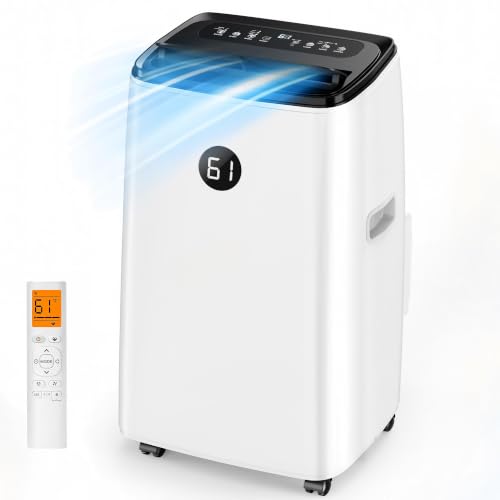
14000 BTU Portable Air Conditioners, 3-in-1 Floor Stand Up Portable AC Unit | Cools Up to 700 Sq.Ft, with Dehumidifier, Fan, Self-Evaporating, Quiet Sleep Mode, Auto Swing, for Large Rooms Bedrooms
Check price on Amazon
DELLA Motto Series 18000 BTU 19 SEER2 230V Mini Split AC, Energy Saving | Cools Up to 1000 Sq.Ft, Alexa and Wifi Control, Ductless Inverter System Air Conditioner, Pre-Charged Heat Pump and 16ft Kits
Check price on Amazon
GE 5,000 BTU Digital Window Air Conditioner for Bedroom, Small AC Unit Cools Rooms up to 150 sq ft, Remote Control, Energy Saver Mode, 24Hr Timer, Easy Install Kit
Check price on Amazon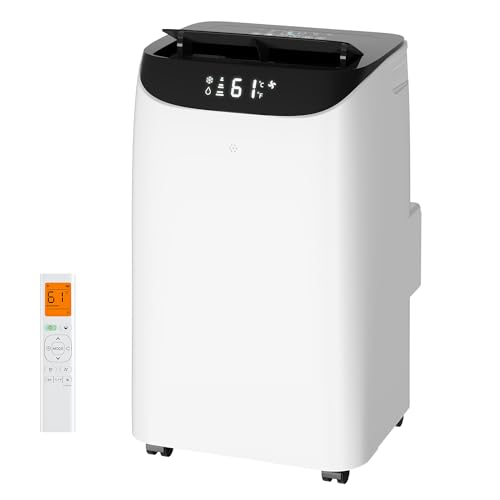
Inverter 16000 BTU Portable Air Conditioner, 3 in 1 Portable Ac Unit Cools Up for Rooms 850 Sq. Ft, Dual Hose Standing AC for Bedrooms with Dehumidifier, Fan, Quiet Sleep Mode, Remote Control
Check price on Amazon
VEVOR Portable Air Conditioner 14000 BTU 5-in-1 Standing Cooling Ac Unit | for Bedrooms, Home Offices, and Apartments, 550 Sq. Ft. Coverage, LED Touch Panel, Remote Control, 24h Timer and Exhaust Hose
Check price on Amazon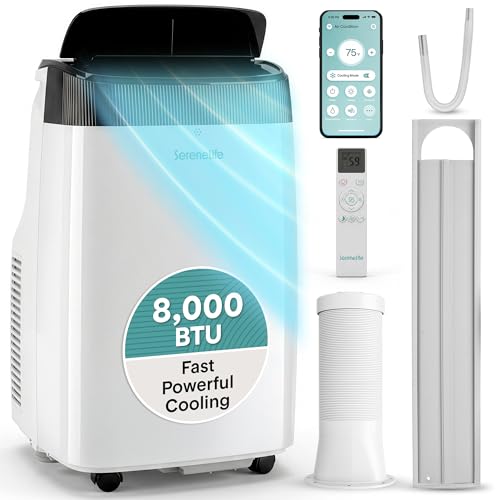
SereneLife Portable Air Conditioner 8000 BTU With WIFI | 3-in-1 Cooling, Fan and Dehumidifier | 24-H Timer up to 350 sq ft Coverage | AC Unit for Bedroom, Home & Office | Window Kit & Remote
Check price on AmazonDisclaimer
Some of the content on this site uses AI assistance. Information is provided for educational purposes only. We are not responsible for any losses resulting from the use of this information. By using this site, you waive any right to bring legal claims against us arising from your use of the information provided. If you do not agree, please do not use this site. Read the full disclaimer.