Cost of New Air Conditioning Unit for Home: What Homeowners Should Know
Replacing or installing a new air conditioning unit is a major decision. This guide breaks down the factors that shape the overall investment, compares AC types by tier, and helps you plan with confidence before you choose a system.
What This Guide Covers
A new air conditioning unit is one of the most significant appliance investments a homeowner can make. The total outlay depends on far more than the equipment itself — system type, home size, ductwork status, efficiency tier, and local labor conditions all play a role. Understanding these variables helps you compare quotes fairly and avoid surprises.
This guide is written for homeowners in the research stage. You likely already know you need a new AC unit; what you need now is a clear picture of what drives the overall investment so you can make an informed decision. For a broader overview of system-level expenses, see our guide on HVAC system costs.
Key Factors That Shape the Investment
Several variables influence the total outlay for a new air conditioning unit. Understanding each one helps you interpret contractor quotes and identify where you can make trade-offs.
- System type: A window unit and a central AC system sit in entirely different market tiers. Ductless mini-splits fall in between, while central systems with new ductwork represent the high-end tier.
- Home size and cooling load: Larger homes require higher-capacity equipment, which typically moves the system into a higher tier. Proper load calculation is essential — oversized or undersized units both cause problems.
- Ductwork status: If your home already has ductwork, installation is simpler. Homes without ducts may require new ductwork or a ductless approach, which changes the scope substantially.
- Efficiency tier: Entry-level units meet minimum standards, while high-end tier and premium systems offer higher SEER2 ratings and better long-term energy performance.
- Labor and regional conditions: Local labor rates, permit requirements, and climate zone influence installation costs. Older homes may need electrical panel upgrades.
- Additional components: Thermostats, line sets, condensate management, and air handlers all contribute to the overall scope.
AC Types and Their Market Tiers
Different AC types occupy distinct positions in the market. The table below uses universal tier descriptors instead of figures, so you can compare systems on relative positioning rather than volatile numbers.
| AC Type | Market Tier | Best For | Notes |
|---|---|---|---|
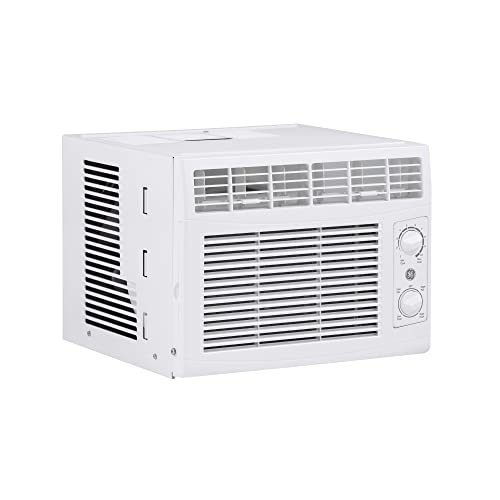
| Window AC | Entry-level | Single rooms, renters, temporary cooling | Simplest installation; no ductwork required. See window AC installation. |
| Portable AC | Entry-level to mid-range | Flexible room cooling, spaces without window mounting | No permanent installation; venting through window or wall. |
| Ductless Mini-Split | Mid-range | Homes without ducts, room-specific zoning | Efficient and flexible. Explore ductless mini-split installation. |
| Central AC (existing ducts) | Mid-range to high-end tier | Whole-home cooling where ductwork exists | Balanced whole-home comfort. See central AC installation. |
| Central AC (new ductwork) | High-end tier | Whole-home cooling in homes without ducts | Comprehensive scope. Review central air with ductwork. |
| High-Efficiency / Premium Systems | Premium to luxury | Homeowners prioritizing long-term efficiency | Top-tier SEER2 ratings. See high-efficiency AC units. |
For a detailed comparison of specific system types, explore our guides on split system installation and ductless air conditioner installation. If you are considering a mini-split specifically, the mini-split installation guide covers the key variables.
Efficiency Ratings and Long-Term Value
Efficiency is one of the most important long-term considerations. A system's SEER2 rating indicates how efficiently it converts energy into cooling. Entry-level units typically meet minimum standards, while mid-range and high-end tier systems offer progressively better efficiency.
Higher efficiency generally means lower monthly energy use, which can offset a higher upfront investment over the life of the unit. However, the right choice depends on your climate, how long you plan to stay in the home, and your usage patterns. In milder climates, the efficiency premium may be less impactful; in hot climates with long cooling seasons, a high-end tier system often proves efficient in the long run.
- Entry-level tier: Meets minimum efficiency standards; suitable for moderate use and shorter ownership horizons.
- Mid-range tier: Balances efficiency and upfront positioning; a solid choice for most homeowners.
- High-end tier: Higher SEER2 ratings; best for heavy usage and long-term ownership.
- Premium / luxury tier: Top efficiency, advanced features, and quieter operation.
If you want to understand how high-efficiency systems compare, see our breakdown of high-efficiency air conditioners. For homes in the 1,500 sq ft range, the 1,500 sq ft AC unit guide provides helpful context.
Installation Considerations
Installation is often the largest variable in the overall investment. The scope depends on whether you are replacing an existing system or starting from scratch, and whether ductwork and electrical infrastructure are already in place.
Replacement Installations
When replacing an existing unit, the process is generally more straightforward. The existing ductwork, electrical connections, and pad are reused where possible. Even so, contractors may recommend updates to line sets, thermostats, or disconnect boxes to meet current standards. Our guide on replacing an air conditioning unit covers what to expect.
New Installations
New installations involve more planning. Homes without ductwork may need a ducted system built from scratch or a ductless approach. Electrical service may need upgrading. Permits and inspections add administrative steps. For a full picture, see installing new central air conditioning and air conditioning system installation.
Ductwork and Existing Infrastructure
Ductwork condition matters. Leaky or poorly designed ducts reduce efficiency and comfort. If your home already has ducts, a contractor will inspect them for leaks, sizing, and insulation. Where ducts are missing, the project scope expands significantly. Our guide on installing AC with existing ductwork explains the differences.
Sizing and Home Requirements
Sizing is not just about square footage. Ceiling height, window area, insulation quality, climate zone, and occupancy all influence the cooling load. A professional load calculation accounts for these variables and determines the capacity your home actually needs.
For reference, our guides break down common home sizes:
- 1,000 sq ft home AC unit
- 1,200 sq ft home AC unit
- 1,500 sq ft home AC unit
- 1,600 sq ft HVAC system
- 2,500 sq ft home AC unit
Tonnage matters as well. A 3-ton system is common for mid-sized homes, while a 4-ton or 5-ton system suits larger spaces. See our guides on three-ton air conditioners, replacing a 4-ton AC unit, and replacing a 5-ton AC unit for more detail.
Replacement vs. New Installation
Replacement and new installation differ in scope, timeline, and disruption. Replacement projects typically reuse existing infrastructure, while new installations may require ductwork, electrical upgrades, and permits. Understanding which scenario applies to you helps set realistic expectations.
If you are replacing an outdoor unit only, our guide on new outside AC units explains the scope. If you are replacing the full system, see replacing an HVAC system and replacing an air conditioning unit. For partial replacements, guides on replacing a condenser and replacing coils cover component-level work.
For homeowners adding cooling to a home that never had it, the scope is closer to new construction. See adding central air to a home and installing AC in an older house. Mobile home owners should review central air in mobile homes.
Related Guides for Deeper Research
The following guides cover adjacent topics that often come up during the decision process:
Frequently Asked Questions
What is the biggest factor in the overall investment for a new AC unit?
System type and whether ductwork exists are typically the largest variables. A window unit sits in the entry-level tier, while a central system with new ductwork falls in the high-end tier. Efficiency ratings and labor conditions also play significant roles.
Is a higher-efficiency AC worth it?
In hot climates with long cooling seasons, a high-end tier system often proves efficient in the long run due to lower energy use. In milder climates or for shorter ownership horizons, a mid-range system may be a more balanced choice. The right answer depends on your usage and how long you plan to stay in the home.
Do I need new ductwork for a central AC system?
Not always. If your home already has ductwork in good condition, it can often be reused. A contractor will inspect for leaks, sizing, and insulation. If ducts are missing or deteriorated, new ductwork becomes part of the scope, which moves the project into a higher tier.
How do I choose the right size AC for my home?
A professional Manual J load calculation is the most reliable method. It accounts for square footage, ceiling height, windows, insulation, climate, and occupancy. Avoid choosing solely by square footage — oversized units short cycle and underperform on humidity control.
Can I replace just the outdoor unit?
In some cases, yes, but the indoor coil and outdoor unit should be matched for efficiency and reliability. Replacing only the condenser with an unmatched indoor coil can reduce performance and may void warranties. Consult a qualified technician before deciding.
What should I ask a contractor before signing?
Ask for a Manual J load calculation, a clear scope of work, equipment model numbers, warranty terms, permit handling, and whether electrical upgrades are included. Get at least three quotes and compare line items, not just totals.
Ready to explore specific AC options? Browse our curated selection of air conditioners across entry-level, mid-range, and premium tiers to find the right fit for your home.
Explore Recommended Units