Covering Outdoor AC Unit: The Complete Protection Guide
Discover how to shield your outdoor condenser from weather, debris, and corrosion. Learn which covers work best, when to use them, and the mistakes that can damage your system.
Why covering your outdoor AC unit matters: The outdoor condenser is the workhorse of your cooling system. It sits exposed to sun, rain, snow, leaves, and dust year-round. A properly chosen cover can reduce corrosion, prevent debris buildup, and keep the unit cleaner between service visits — but the wrong cover can trap moisture and cause rust. This guide explains the difference so you can protect your equipment without creating new problems.
Why Cover an Outdoor AC Unit?
The outdoor condenser contains sensitive components — the compressor, fan motor, coils, and electrical connections. These parts are engineered to withstand weather, but continuous exposure still accelerates wear. Covering the unit during off-season or severe weather offers several practical benefits:
Debris Protection
Falling leaves, twigs, grass clippings, and cottonwood seeds can clog condenser fins and block airflow. A cover keeps foreign material out of the cabinet during downtime.
Corrosion Reduction
Rain and snow promote rust on fasteners and coil fins. A breathable cover limits direct water contact while still allowing trapped moisture to escape.
Dust & Pollen Barrier
Fine dust and pollen settle into coil fins and reduce heat transfer efficiency. Covering during long idle periods keeps the coil cleaner and reduces cleaning frequency.
Pest Deterrence
Rodents and insects often nest inside idle AC cabinets. A well-fitted cover seals the top and sides, removing easy access points.
Types of Outdoor AC Unit Covers
Covers fall into several categories based on material, coverage style, and season of use. Choosing the right one depends on your climate, unit location, and how long the system sits idle.
| Cover Type | Best For | Material | Key Consideration |
|---|---|---|---|
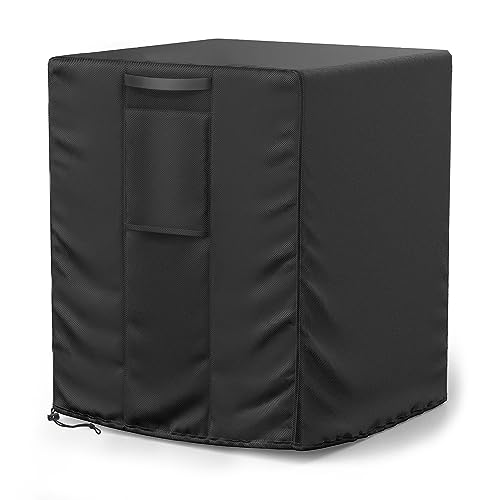
| Full canvas cover | Off-season protection in dry climates | Heavy-duty canvas or polyester | Must be breathable; remove before operating |
| Mesh/vented cover | Year-round dust and debris shield | PVC-coated mesh | Allows airflow; can remain on during light use |
| Top-only cover | Snow and leaf protection | Vinyl or reinforced plastic | Leaves sides open for ventilation |
| Hard shell cover | Harsh weather and hail-prone regions | Aluminum or polycarbonate | Professional-grade; requires secure mounting |
| Custom-fit cover | Premium protection for specific models | Laminated fabric or heavy mesh | Tailored dimensions reduce gaps and flapping |
Critical warning: Never use a sealed, non-breathable plastic tarp as a long-term cover. It traps condensation inside the cabinet, which promotes rust on the compressor shell, electrical terminals, and coil fins. Always choose a breathable material or a top-only design that leaves the sides open.
When to Cover — and When Not To
Covering is not a one-size-fits-all practice. The right schedule depends on whether the unit is actively cooling or sitting idle.
- During active cooling season Remove the full cover entirely. The condenser must exhaust heat; any obstruction causes the compressor to overheat and shortens its lifespan. If you want ongoing debris protection while running, use only a top-only shield or a vented mesh accessory approved for operation.
- For short idle periods (days to weeks) A vented mesh cover can stay in place to block dust and pollen while allowing airflow. This is a balanced option for mild climates where the system cycles on occasionally.
- For winter or long off-season A full breathable canvas or custom-fit cover is appropriate. Secure it tightly so wind does not tear it loose, and inspect the cabinet after removal for trapped moisture or pest activity. Related guidance on winter protection is available in our covering AC unit in winter article.
- Before the first cooling cycle of the year Remove the cover, clear debris from the top and sides, inspect the fan blade for cracks, and check that the disconnect box is dry. This pre-season check is the single most effective way to prevent start-up failures.
Choosing the Right Material
Material selection affects durability, breathability, and whether the cover can safely remain on the unit. Use the comparison below to match material to your situation.
Canvas & Heavy Polyester
Durable and breathable when woven tightly. Best for long off-season coverage in moderate climates. Look for UV-resistant treatment and reinforced seams.
- Good abrasion resistance
- Breathable weave
- Requires tie-downs in windy areas
PVC-Coated Mesh
Allows continuous airflow while blocking large debris. Suitable for year-round use on units that run occasionally. Less effective against fine dust.
- Ventilated design
- Weather-resistant coating
- Can remain during light operation
Vinyl & Laminated Fabric
Water-resistant and easy to clean. Best as a top-only cover or short-term winter shield. Avoid full wraps that trap condensation.
- Water-resistant surface
- Lightweight
- Not ideal for humid climates as a full cover
Rigid Shell (Aluminum/Polycarbonate)
Professional-grade protection for hail, heavy snow, and falling branches. Requires secure mounting and clearance for airflow.
- Impact resistance
- Long service life
- Higher installation effort
Advantages and Drawbacks of Covering
Advantages
- Keeps condenser coils cleaner, preserving heat transfer efficiency
- Reduces rust and corrosion on fasteners and cabinet panels
- Prevents leaf and seed buildup that blocks airflow
- Deters rodents and insects from nesting in idle units
- Extends the interval between professional cleanings
Drawbacks
- Improper covers trap moisture and accelerate corrosion
- Full covers must be removed before every cooling cycle
- Poorly secured covers can flap and damage fins
- Adds a maintenance step at seasonal changeover
- Some covers interfere with warranty terms if they block ventilation
How to Cover Your Outdoor Unit Correctly
A correct installation protects the equipment; a careless one creates new risks. Follow this sequence at the end of the cooling season.
- Turn off power at the disconnect Locate the outdoor disconnect box and switch it off before touching the unit. This prevents accidental start-up while you work around the fan and electrical panel.
- Clean the cabinet and coils Remove leaves, grass, and debris from the top grille and side fins. A clean unit stored under a cover stays cleaner longer. If fins are bent, a fin comb can restore airflow before covering.
- Inspect for existing damage Check for rust spots, loose panels, or cracked fan blades. Covering a damaged unit traps problems out of sight; address them before the off-season. Our guide on covering an AC unit covers inspection checklists in more detail.
- Fit the cover with clearance The cover should sit loosely enough to allow air circulation at the base. Never wrap the bottom completely — condensation must be able to drain and evaporate. Secure straps or bungees at the corners, not across the coil face.
- Check monthly during idle season After storms, confirm the cover is still secure and that no water has pooled on top. A sagging cover that collects rainwater can collapse onto the fan grille and bend the blades.
- Remove before start-up Before the first warm day, take the cover off, inspect the cabinet, and confirm the fan spins freely by hand. Then restore power at the disconnect and test the system.
Common Covering Mistakes to Avoid
1. Using plastic sheeting as a permanent cover. Non-breathable plastic traps humidity and causes condensation on cold metal surfaces, leading to rust inside the cabinet. Use breathable fabric or a vented mesh instead.
2. Leaving a full cover on during cooling season. A running condenser needs unrestricted airflow. A full cover causes the compressor to overheat and can trip the high-pressure limit or damage the motor.
3. Wrapping the cover around the base. Sealing the bottom prevents drainage. Water accumulates inside and corrodes the compressor shell and electrical terminals.
4. Ignoring the cover after storms. A loose cover that flaps against the coil fins can bend them flat, reducing efficiency. Check tie-downs after high winds.
5. Covering a unit that is still powered. If the thermostat calls for cooling while a cover is on, the system runs restricted and overheats. Always switch off the outdoor disconnect before covering.
Alternatives to Full Covers
Not every situation calls for a full wrap. Depending on your climate and unit location, partial protection may be the better choice.
Top-Only Shield
A rigid or fabric panel over the top grille blocks leaves and snow while leaving all four sides open for ventilation. Ideal for mild climates where the unit may run occasionally in winter.
Elevated Platform
Raising the condenser on a sturdy pad keeps the cabinet above standing water and snow accumulation. This addresses the root cause of moisture damage rather than covering the symptom.
Screened Enclosure
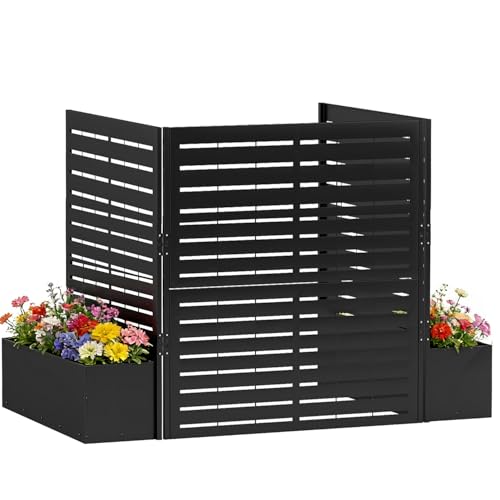
A louvered fence or screen around the unit blocks debris and improves appearance without touching the cabinet. Maintain at least 24 inches of clearance on all sides for airflow.
Regular Cleaning Schedule
Some homeowners skip covers entirely and rely on twice-yearly coil cleaning. This is a valid approach in dry climates where debris load is low and corrosion risk is minimal.
Related System Protection Topics
Covering is one part of a broader maintenance strategy. If you are evaluating whether to repair, replace, or protect an aging condenser, these resources may help you weigh the options:
- Understand the condenser replacement considerations if corrosion has already set in.
- Compare the new outside AC unit options when protection is no longer enough.
- Review condenser replacement scenarios for homes with advanced rust damage.
- See the broader replacement scope when the whole system is aging.
- Check covering outside AC unit guidance for installation-specific tips.
Frequently Asked Questions
Should I cover my outdoor AC unit in summer?
Can I use a plastic tarp to cover my AC unit?
Will covering my AC unit void the warranty?
How do I keep the cover from blowing away?
Is covering the AC unit enough to prevent rust?
When should I remove the cover in spring?
Ready to Explore Cover Options?
From breathable canvas covers to vented mesh shields and rigid top protectors, the right cover depends on your climate and how long your system sits idle. Browse our curated selection to find a match for your outdoor unit.
View Recommended Covers