Heat Pump and Air Handler Replacement: What to Expect
Replacing a heat pump and air handler is a major home comfort decision. This guide walks you through the process, system tiers, efficiency considerations, and practical planning steps so you can move forward with clarity.
Start With the Basics
Key insight: A heat pump and air handler work as a matched pair. Replacing both at the same time is often the most reliable path because the indoor and outdoor components are designed to operate as one integrated system. Mismatched components can reduce efficiency, shorten equipment life, and create comfort inconsistencies.
When homeowners search for heat pump and air handler replacement information, they are usually in the research stage. They know their existing system is aging, underperforming, or failing. What they need is a clear picture of what the project involves, which system tiers exist, and how to compare proposals without getting lost in technical jargon.
This guide focuses on the replacement project itself: what gets replaced, why the air handler matters, how efficiency ratings influence long-term operation, and what to discuss with a contractor. For broader planning across other HVAC projects, you can explore related resources such as HVAC project guidance and whole-system replacement considerations.
What Gets Replaced in a Heat Pump and Air Handler Project
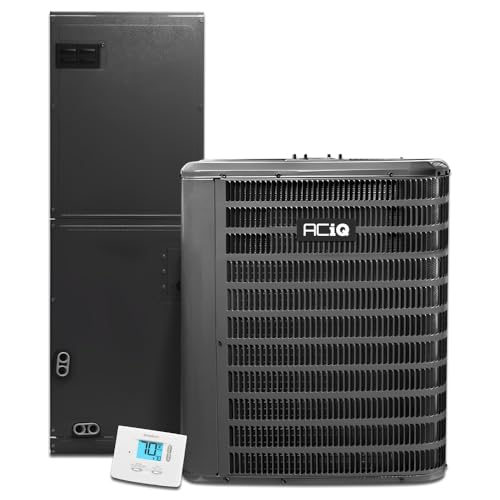
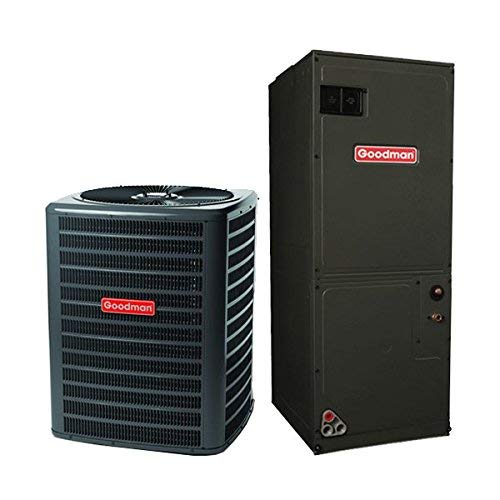
A heat pump system has two primary pieces of equipment. The outdoor unit (the heat pump condenser) moves heat between your home and the outside air. The indoor air handler contains the blower, indoor coil, and often auxiliary heat elements. Together they deliver heating and cooling through your ductwork.
When both are replaced, the project typically includes:
- Outdoor heat pump unit — the compressor and outdoor coil assembly that handles heat transfer.
- Indoor air handler — the blower section and indoor coil that circulate conditioned air.
- Line set and electrical connections — refrigerant lines may be reused if compatible, but often are replaced or flushed.
- Thermostat and controls — many replacements include a new thermostat or control board configuration.
- Drain line and safety components — condensate management is checked and often upgraded.
- Ductwork inspection — existing ducts are evaluated for leaks, sizing, and insulation.
Sometimes only the air handler fails while the outdoor unit remains functional. Even then, replacing both together is frequently recommended because matched systems are tested and rated as a pair. If you are exploring partial replacement scenarios, the guide on air handler replacement provides a focused look at indoor-side projects.
Why Replacing Both Components Together Matters
Heat pumps are rated as complete systems. The efficiency numbers published for a heat pump assume a matched indoor coil and air handler. When a new outdoor unit is paired with an old or mismatched air handler, the system may not deliver its rated performance. This can lead to higher energy use, reduced heating capacity in cold weather, and more frequent service calls.
A matched replacement also simplifies warranty coverage. Manufacturers often require matched components for full warranty protection. Keeping the indoor and outdoor units from the same generation and product family reduces compatibility risk and supports smoother commissioning.
For homeowners who want to understand how the outdoor side alone fits into the picture, the article on replacing a condenser explains the limits of partial replacement. The short version: partial replacements can work in specific situations, but they require careful compatibility checks.
Heat Pump and Air Handler System Tiers
Rather than focusing on arbitrary figures, it helps to understand replacement options in terms of market tiers. The tier you choose affects efficiency, noise, feature set, and long-term operating characteristics. The three broad tiers below are a practical way to compare proposals.
Essential Tier
Entry-Level Replacement
Single-stage heat pump with a standard air handler. Provides dependable heating and cooling with basic controls. A solid choice when the priority is straightforward replacement of an aging system with a like-for-like configuration.
Balanced Tier
Mid-Range Replacement
Two-stage or variable-speed compressor paired with a multi-speed air handler. Offers better humidity control, quieter operation, and more consistent temperatures. Feature-rich for its class and a common choice for homeowners planning to stay long term.
Top-Tier
Premium Replacement
Fully variable-speed heat pump with a communicating air handler and advanced controls. Designed for precise comfort, low sound levels, and efficient operation across a wide range of outdoor conditions. A long-term investment in comfort and performance.
Each tier has trade-offs. Entry-level systems are simpler and have fewer electronic components, which can mean fewer diagnostic steps later. Mid-range systems add modulation and improved part-load efficiency. Premium systems offer the highest level of comfort control but require compatible controls and careful commissioning.
When comparing proposals, ask the contractor to explain how the proposed outdoor unit and air handler are matched. A matched system is more important than any single feature. If you are also considering ductwork improvements, the guide on installing an HVAC system with ductwork can help you understand how duct condition affects overall performance.
Efficiency Ratings and Long-Term Operation
Heat pump efficiency is expressed through ratings such as SEER2 for cooling and HSPF2 for heating. Higher ratings generally indicate better efficiency, but the real-world benefit depends on climate, duct condition, thermostat habits, and proper installation.
A few practical points help keep efficiency expectations realistic:
- Matched systems matter more than headline ratings. A high-efficiency outdoor unit paired with an incompatible air handler may not achieve its rated performance.
- Duct condition affects delivered efficiency. Leaky or undersized ducts can waste a significant portion of conditioned air. Sealing and insulating ducts is often part of a well-planned replacement.
- Correct sizing supports efficiency. An oversized heat pump short-cycles, which reduces dehumidification and can increase wear. A load calculation helps confirm the right capacity.
- Controls and commissioning influence results. Proper airflow settings, refrigerant charge, and thermostat configuration are essential for the system to perform as intended.
If you want to compare system approaches, the article on high-efficiency air conditioner options provides additional context on how efficiency tiers differ. For a whole-home perspective, central heat and air unit guidance covers the broader equipment picture.
What the Replacement Process Looks Like
Understanding the sequence of a replacement project helps you prepare and ask better questions. A typical heat pump and air handler replacement follows these stages:
- Assessment and load calculation. The contractor evaluates your home, existing ductwork, insulation, and window characteristics. A room-by-room load calculation confirms the appropriate system capacity.
- Proposal and equipment selection. You receive options across tiers with matched outdoor and indoor equipment. Ask how the proposed components are rated together.
- Scheduling and preparation. The crew plans the removal of old equipment, protection of floors and furnishings, and any electrical or ductwork modifications.
- Removal of old equipment. The old heat pump and air handler are disconnected and removed. Refrigerant is recovered according to regulations.
- Installation of new equipment. The new air handler is set, the outdoor unit is placed on a proper pad, and refrigerant lines and electrical connections are completed.
- Commissioning and testing. The system is charged, airflow is measured, and controls are configured. The contractor verifies heating and cooling operation.
- Walkthrough and documentation. You receive operating guidance, warranty information, and maintenance recommendations.
Project duration varies with home layout, ductwork condition, and electrical requirements. A straightforward replacement is often completed in a day or two, while projects involving duct modifications or panel upgrades may take longer. For projects that include ductwork changes, the guide on HVAC installation without existing ductwork explains how ductless alternatives compare.
Comparing Replacement Approaches
The table below summarizes common replacement approaches by tier and best-fit situation. It is intended as a planning aid, not a substitute for a professional assessment.
| Tier |
Typical Configuration |
Best For |
Considerations |
| Essential tier |
Single-stage heat pump + standard air handler |
Straightforward replacement of an aging system |
Simple controls; fewer modulation features |
| Balanced tier |
Two-stage or variable-speed heat pump + multi-speed air handler |
Homeowners wanting improved comfort and humidity control |
Requires compatible thermostat; commissioning matters |
| Top-tier |
Variable-speed communicating heat pump + communicating air handler |
Long-term comfort planning and quiet operation |
Higher feature complexity; matched controls required |
| Partial replacement |
Air handler only or outdoor unit only |
When one component is sound and compatibility is confirmed |
Warranty and efficiency risks; verify matched ratings |
For a deeper look at how replacement decisions interact with other projects, the resources on replacing HVAC and furnace and HVAC compressor replacement provide additional context. If your home uses a furnace for backup heat, the guide on adding air conditioning to an existing forced-air furnace explains how indoor components are integrated.
Planning Checklist Before You Commit
A well-prepared homeowner gets more useful proposals and fewer surprises. Use this checklist as a starting point:
- Confirm the scope. Clarify whether the proposal includes both the heat pump and air handler, refrigerant lines, thermostat, drain components, and any ductwork work.
- Ask for the matched rating. Request the system combination's rated efficiency rather than the outdoor unit's standalone rating.
- Request a load calculation. A room-by-room calculation supports correct sizing and long-term comfort.
- Inspect ductwork. Ask how the contractor will evaluate duct sealing, insulation, and sizing as part of the project.
- Review warranty terms. Understand what the manufacturer requires for full coverage and what the installer includes.
- Plan for electrical needs. Confirm whether the existing electrical panel and disconnect meet the new equipment's requirements.
- Discuss controls. A compatible thermostat or control system is essential for accessing the full feature set of the new equipment.
- Schedule maintenance. Ask about a maintenance plan that covers filter changes, coil cleaning, and seasonal checks.
If your project involves broader system changes, related guides on installing a heating and cooling system and air conditioning system installation can help you frame the full scope.
Frequently Asked Questions
Can I replace just the heat pump and keep my old air handler?
It is sometimes possible, but compatibility must be verified. The indoor coil and blower must be matched to the new outdoor unit for the system to perform as rated. In many cases, replacing both is the more reliable long-term choice.
How long does a heat pump and air handler replacement take?
A straightforward replacement is often completed in one to two days. Projects involving duct modifications, electrical panel work, or complex line-set routing may take longer. Your contractor can provide a timeline after assessing your home.
Do I need a new thermostat when replacing my system?
Not always, but a compatible thermostat is essential. Many modern heat pumps use communicating controls that unlock advanced features. If your existing thermostat does not support the new equipment, replacing it is recommended.
Will a new system reduce my energy use?
A matched, correctly sized system installed with proper airflow and duct sealing can operate more efficiently than an aging or mismatched system. Actual results depend on climate, usage patterns, and home characteristics.
Should I replace the air handler if only the outdoor unit failed?
This is a common decision point. Replacing both together supports matched performance and warranty coverage. Replacing only the outdoor unit is possible when the air handler is compatible and in good condition, but it requires careful verification.
What questions should I ask a contractor?
Ask about the matched system rating, load calculation, ductwork assessment, warranty terms, commissioning steps, and maintenance recommendations. A contractor who explains these clearly is more likely to deliver a well-integrated result.
Ready to Compare Replacement Options?
Understanding the project is the first step. Explore matched heat pump and air handler options, then request a professional assessment to confirm sizing and compatibility for your home.
Explore Replacement Options