New Central Air Unit and Installation: A Complete Guide
Everything you need to know before investing in a new central air system. Understand system tiers, efficiency ratings, installation factors, and how to choose the right setup for your home.
EXPLORE SYSTEM TIERSWhy This Guide Matters: A new central air unit is a major long-term investment for your home. Understanding the differences between system tiers, efficiency standards, and installation requirements helps you make a confident, informed decision. This guide breaks down every component so you can choose the right system for your comfort needs and climate.
What Exactly Is a Central Air Unit?
A central air unit is a whole-home cooling system that distributes conditioned air through a network of ducts. Unlike room-specific units, a central system cools every room connected to the ductwork. The core components include:
- Outdoor condenser unit — Houses the compressor and condenser coil, responsible for releasing heat outdoors.
- Indoor evaporator coil — Absorbs heat and humidity from the air inside your home.
- Air handler or furnace — Circulates air through the ductwork and, in many setups, also provides heating.
- Ductwork — The distribution network that delivers cool air to each room.
- Thermostat — The control interface for setting temperature and scheduling.
If you are still exploring broader options, our overview of HVAC system categories can help you compare central systems against other configurations before committing.
Central Air System Tiers: Entry-Level, Mid-Range, and Premium
Central air systems are commonly classified into three market tiers. These descriptors reflect the relative positioning of products in the market, not specific figures. Understanding each tier helps you match your expectations with the right equipment.
Entry-Level Tier
- Single-stage compressor operation
- Standard SEER ratings (meets minimum standards)
- Basic thermostat compatibility
- Straightforward installation
- Solid choice for mild climates
Mid-Range Tier
- Two-stage compressor for better humidity control
- Higher SEER ratings for improved efficiency
- Compatible with programmable thermostats
- Quieter operation than entry-level
- Balanced tier for most homes
Premium Tier
- Variable-speed compressor for precise comfort
- Top-tier SEER ratings
- Smart thermostat integration
- Exceptional energy efficiency
- Long-term investment for demanding climates
Each tier represents a different balance of performance, efficiency, and comfort features. A mid-range model typically offers smoother operation than an entry-level unit, while premium systems provide the most consistent temperature control. For a detailed breakdown of efficiency metrics, see our guide on high-efficiency air conditioning options.
Understanding SEER and SEER2 Ratings
SEER (Seasonal Energy Efficiency Ratio) measures how efficiently a system cools over a typical season. Newer DOE standards use SEER2, which applies more realistic testing conditions. Higher ratings indicate greater efficiency, which can reduce long-term energy usage.
| Tier | Typical SEER Range | Best For |
|---|---|---|
| Entry-Level | Minimum standard (e.g., 14–15 SEER) | Mild climates, short cooling seasons |
| Mid-Range | Moderate (e.g., 16–18 SEER) | Most homes, balanced efficiency |
| Premium | High (e.g., 19+ SEER) | Hot climates, long cooling seasons |
Choosing the right efficiency tier depends on your climate, usage patterns, and long-term energy goals. Premium systems are often described as a worthwhile investment in regions with extended cooling seasons.
Key Factors That Influence Installation
Installation is not a one-size-fits-all process. Several variables determine the complexity and scope of a central air installation:
- Home size and layout — Larger homes or multi-story layouts may require zoning or additional ductwork.
- Existing ductwork — Homes with existing ducts may need inspection, sealing, or modification. See our guide on installing central air with existing ductwork.
- Electrical panel capacity — Central systems draw significant power; the panel must support the load.
- Outdoor unit placement — Proper clearance and ventilation are essential for efficient operation.
- Permits and codes — Local regulations may require permits and inspections.
For homes without ducts, alternative options such as ductless systems may be more practical. Learn more about ductless air conditioner installation if your home lacks existing ductwork.
Central Air vs. Other Cooling Systems
| System Type | Best For | Key Consideration |
|---|---|---|
| Central Air | Whole-home cooling with existing ducts | Requires ductwork and professional installation |
| Ductless Mini-Split | Homes without ducts or room-specific cooling | No ductwork needed; flexible zoning |
| Window Unit | Single rooms, temporary cooling | Limited coverage; easy installation |
| Portable AC | Renters, temporary setups | Movable but less efficient for large spaces |
If you are considering a ductless alternative, our detailed guide on mini-split installation explains how these systems compare for efficiency and flexibility.
Signs It Is Time for a New Central Air Unit
Knowing when to replace rather than repair can save you from repeated breakdowns and rising energy usage. Common indicators include:
- The system is 12–15 years old or older.
- Frequent repairs or rising energy consumption.
- Uneven cooling or inconsistent temperatures across rooms.
- Unusual noises, strange odors, or visible refrigerant leaks.
- Outdated refrigerant type (e.g., R-22 systems).
If your existing system is nearing the end of its service life, exploring central air replacement options can help you plan ahead.
Maintaining Your New Central Air System
Proper maintenance extends the lifespan and efficiency of your investment. Key tasks include:
- Replacing or cleaning air filters every 1–3 months.
- Cleaning condenser coils annually.
- Checking refrigerant levels and lines for leaks.
- Scheduling professional tune-ups before each cooling season.
- Keeping the outdoor unit clear of debris and vegetation.
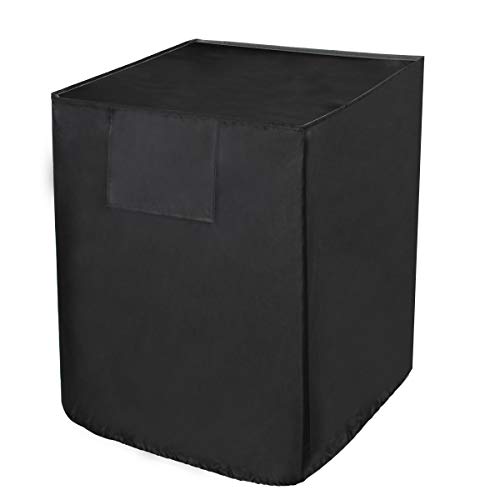
For seasonal protection tips, see our articles on covering your outdoor AC unit and winter AC protection.
Ready to Explore Central Air Options?
Browse our curated selection of central air units and components. Compare features and find the system that fits your home and climate.
VIEW RECOMMENDED SYSTEMSFrequently Asked Questions
How long does a new central air unit last?
With proper maintenance, a central air unit typically lasts 12–15 years, and premium-tier systems can last even longer.
Can I install a central air unit myself?
Central air installation involves electrical work, refrigerant handling, and ductwork. Professional installation is strongly recommended to ensure safety, efficiency, and warranty compliance.
What size central air unit do I need?
System sizing depends on home square footage, insulation, window area, and climate. A professional load calculation is the most accurate method. For general guidance, see our guide on AC sizing for a 1,500 sq ft home.
Is a higher SEER rating always better?
Higher SEER systems are more efficient, but the best choice depends on your climate, usage, and long-term goals. A mid-range system often provides excellent balance for most homes.
What is the difference between a central air unit and a heat pump?
A central air unit provides cooling only, while a heat pump provides both heating and cooling. Heat pumps are versatile but may require different installation considerations. See our guide on central heat and air units for combined systems.
Explore More: For related topics, you can also read about installing a central air conditioning system, new air conditioning units for homes, and adding central air to a house.