
Cost of Replacing Air Conditioning Unit: What to Expect
Replacing an air conditioner is a major home investment. This guide explains how AC replacement projects are structured, what drives the total investment, and how to choose the right system tier for your home.
Why this page exists: If your current AC is aging, unreliable, or simply no longer keeping up with summer heat, you are likely researching what a replacement actually involves. The information below is organized to help you understand the moving parts of an AC replacement, compare system types and efficiency tiers, and plan the project with confidence before you request quotes from contractors.
What Is Included in an AC Replacement Project?
The total investment in a replacement project is rarely just the equipment itself. A well-planned replacement typically bundles several components, and understanding each one helps you compare contractor proposals fairly. The main elements usually include:
- New equipment: The outdoor condenser unit, and depending on the setup, a matching indoor coil or air handler. In a full system replacement, both halves of the system are matched for efficiency and reliability.
- Labor and installation: Removal of the old unit, installation of the new system, refrigerant line connections, electrical hookups, and system commissioning.
- Disposal and recycling: Responsible removal of the old condenser and refrigerant recovery, which is regulated and requires certified handling.
- Permits and inspection: Many jurisdictions require a permit for AC replacement, and the final inspection is part of the project scope.
- Optional upgrades: New thermostat, duct sealing, electrical panel upgrades, or a condensate management solution may be added depending on the home.
Because these elements vary widely by home and region, replacement projects fall into distinct tiers. A like-for-like swap of an existing split system is a different scope from a conversion to a ductless setup or a full central air installation with new ductwork. For a broader look at HVAC-related project structures, see this overview of HVAC project categories.
Replacement by System Type
The type of system you are replacing has the biggest influence on project complexity. Below is a comparison of common replacement scenarios and what typically distinguishes each one.
| System Type | Typical Scope | Best For | Project Complexity |
|---|---|---|---|
| Central AC (split system) | Outdoor condenser plus indoor coil or air handler, reusing existing ductwork | Homes with existing ductwork and a whole-home cooling need | Moderate; one-day like-for-like replacement is common |
| Ductless mini-split | One or more indoor heads connected to an outdoor unit, new line sets | Homes without ducts, room additions, zoned comfort | Moderate to high; line set routing and head placement add time |
| Window or through-the-wall unit | Single-room replacement, often a direct swap | Individual rooms, apartments, supplemental cooling | Low; simplest replacement category |
| Packaged unit | Single outdoor cabinet containing all components, ducted connection | Homes or small commercial spaces with limited indoor space | Moderate; crane or rigging may be required in some cases |
| Heat pump system | Outdoor unit plus indoor air handler, heating and cooling in one | Year-round comfort with efficient heating and cooling | Moderate; electrical and defrost considerations apply |
If your existing setup is a central split system, a like-for-like replacement is usually the most straightforward path. Detailed breakdowns of central replacements are available in this guide on replacing a central air conditioning unit. If you are weighing a ductless conversion, the ductless installation overview explains the added scope of running line sets and mounting indoor heads.
Homes without existing ductwork often face a larger decision: install ducts for a central system, or choose a ductless approach. The ductless versus ducted comparison is helpful for understanding the trade-offs in scope and disruption. For homes that already have ducts but need a first-time central installation, this central air with existing ductwork guide covers the additional components involved.
Equipment Tiers: How Replacement Options Are Classified
Rather than fixed figures, replacement options are best understood as tiers. Equipment tier affects the initial investment, energy use, noise level, and feature set. The tier system below is used consistently throughout this guide.
Essential Tier
Basic single-stage equipment with standard efficiency. A solid choice for mild climates, low usage hours, or situations where the system is a like-for-like replacement for a modest home.
Balanced Tier
Two-stage or variable-speed options with improved efficiency and quieter operation. Well-specified for the category and a common choice for homeowners planning to stay long-term.
High-End Tier
High-efficiency variable-speed systems with advanced controls and premium materials. Suited to harsh climates, high usage, and households that prioritize comfort and long-term energy performance.
Flagship Tier
The most feature-rich systems in a manufacturer's lineup, often with smart diagnostics and maximum efficiency ratings. A long-term investment with the highest upfront position in the market.
Tier selection is a balancing act. Entry-level equipment is often a solid choice when the home is a rental, the climate is mild, or the existing ductwork limits what the system can achieve. Mid-range models usually offer the best balance of efficiency and features for owner-occupied homes. Premium and flagship tiers make more sense in extreme climates or where the system runs for many hours per day. For a focused comparison of high-efficiency options, see this guide on high-efficiency air conditioner replacement.
What Influences the Total Investment?
Two homes with the same square footage can receive very different proposals. The following factors are the most common reasons replacement projects land in different tiers.
- System capacity (tonnage): Larger homes require larger equipment. A 2-ton replacement and a 5-ton replacement are different projects in both equipment class and labor. If you are replacing a specific size, this breakdown of 4-ton unit replacement shows how capacity shapes the scope.
- Efficiency tier: Higher SEER2 ratings generally move the project into a higher equipment tier. The efficiency level should match your climate and usage hours rather than simply being maximized.
- Ductwork condition: If existing ducts are leaking, undersized, or damaged, sealing or partial replacement may be recommended. Ductwork work is a significant scope addition and should be itemized in proposals.
- Electrical requirements: Older homes may need panel upgrades or dedicated circuits for the new equipment. This is especially relevant when moving from a lower-capacity system to a larger or higher-efficiency one.
- Line set and placement: Reusing existing refrigerant lines is common in like-for-like replacements. A new location or longer line run adds labor and materials.
- Permits and local requirements: Permit requirements and inspection fees vary by jurisdiction and should be included in the project scope.
- Removal and disposal: Refrigerant recovery and equipment disposal are regulated tasks that add to the labor portion of the project.
Quick Pre-Replacement Checklist
- Confirm the age and condition of both the outdoor unit and indoor coil or air handler.
- Ask whether the existing ductwork has been inspected or tested for leakage.
- Clarify whether the electrical panel can support the new equipment without upgrades.
- Request a written scope that separates equipment, labor, permits, and disposal.
- Ask about warranty terms for equipment and labor separately.
- Confirm whether the old refrigerant will be recovered and documented.
Replace or Repair? A Decision Framework
Not every failing AC needs replacement. The decision usually comes down to age, repair frequency, efficiency, and refrigerant type. The following framework helps clarify the choice:
- Age: Systems in the later portion of their expected service life are usually better replaced than repeatedly repaired, especially when major components fail.
- Repair frequency: Multiple repairs within a short period suggest declining reliability. A single isolated repair on a younger system is usually a reasonable fix.
- Refrigerant type: Older refrigerants are being phased down, which can make future servicing more complex. A replacement may be the more practical long-term path.
- Efficiency gap: If the existing system is far below current efficiency standards, the energy savings from a new system can offset part of the investment over time.
- Comfort complaints: Uneven cooling, humidity issues, or noise problems may indicate the system is undersized or poorly matched to the home, which replacement can address.
For component-level failures, targeted repairs are sometimes the right first step. For example, a failed capacitor or contactor is a relatively small repair, and this guide on capacitor replacement explains when that repair makes sense. Likewise, if the condenser itself has failed, a condenser replacement may be an option, though matching a new condenser to an aging indoor coil has efficiency and lifespan implications. When the compressor fails on an older system, a compressor replacement is often weighed against a full system replacement.
Sizing Your Replacement: Why Tonnage Matters
Correct sizing is one of the most important factors in replacement satisfaction. An oversized unit cools quickly but cycles frequently, which can leave the home feeling clammy and increase wear on components. An undersized unit runs continuously and struggles during peak heat. Replacement should be based on a proper load calculation rather than simply matching the old unit's size.
That said, existing capacity is a useful starting point. If you are replacing a system in a specific home size, these references help frame the conversation with a contractor:
- Replacement for a 1,000 sq ft home
- Replacement for a 1,200 sq ft home
- Replacement for a 1,500 sq ft home
- Replacement for a 2,500 sq ft home
For a broader view of whole-home system planning, the whole-home air conditioning replacement guide covers how capacity, ductwork, and efficiency interact.
Outdoor and Indoor Component Replacement
A split system has two halves, and replacement decisions often involve both. The outdoor condenser is the most visible component, but the indoor coil or air handler plays an equally important role in efficiency and reliability.
When the outdoor unit fails, homeowners sometimes ask whether only the condenser can be replaced. This is technically possible, but pairing a new condenser with an older indoor coil can reduce the system's rated efficiency and may void certain warranties. A matched replacement of both halves is generally the more dependable long-term choice. The outdoor unit replacement guide explains the scope of an outdoor-only project, while the home condenser replacement overview covers how the condenser fits into the larger system.
On the indoor side, coil and air handler work is often bundled into a full replacement but can also be handled separately. These references explain the scope of each:
Full System Replacement vs Partial Replacement
A full system replacement includes the outdoor condenser, indoor coil or air handler, and any necessary line set and electrical work. Partial replacement focuses on one component, usually the outdoor unit or the indoor coil. Partial replacement can be the right call when one component has failed and the other is relatively new and compatible. However, when both components are aging, partial replacement often leads to mismatched performance and a second project in the near future.
If the furnace or air handler is also aging, some homeowners replace the heating and cooling sides together. This combined HVAC and furnace replacement guide explains when bundling makes sense. Likewise, if the system includes a heat pump, this heat pump and air handler replacement overview covers the paired scope.
Planning the Project: Timing and Practical Steps
AC replacement is easier to plan in the shoulder seasons than during a heat wave. Contractors are typically more available in spring and fall, and scheduling is more flexible. If your system fails during peak summer, expect faster decisions and less room for comparison shopping.
A practical sequence for most homeowners looks like this:
- Assess the current system: Confirm age, refrigerant type, and whether the indoor and outdoor components are both due for replacement.
- Define the goal: Decide whether you want a like-for-like replacement, an efficiency upgrade, or a change in system type.
- Request multiple proposals: At least two or three written proposals help you compare scope, not just the bottom line. Ensure each proposal itemizes equipment, labor, permits, and disposal.
- Verify licensing and insurance: Confirm the contractor holds the required licenses and carries insurance for the work.
- Confirm the load calculation: A proper replacement proposal should be based on a room-by-room load calculation, not just the old unit's size.
- Schedule and prepare: Clear access to the indoor and outdoor equipment, and confirm whether the contractor will handle the permit.
- Commissioning and walkthrough: After installation, request a walkthrough of the new system, filter locations, thermostat settings, and warranty registration.
If the project involves adding cooling to a home that has never had it, the scope is larger than a replacement. These guides cover that scenario in detail: adding central air to a home and installing air conditioning in an older house.
Warranty, Maintenance, and Long-Term Value
Replacement equipment typically carries two warranties: one on the equipment itself and one on the labor. Equipment warranties are often longer than labor warranties, and some manufacturers require annual professional maintenance to keep the equipment warranty valid. Register the new system promptly and keep documentation of the installation date and maintenance visits.
Maintenance after replacement is straightforward but important. Regular filter changes, annual coil cleaning, and a seasonal checkup keep efficiency on track and help catch small issues early. A well-maintained system in the mid-range tier often delivers better long-term performance than a premium-tier system that is neglected. For ongoing care, see these related maintenance guides:
Ready to Compare Replacement Options?
The right replacement tier depends on your home, your climate, and how long you plan to stay. Use the information above to frame your questions, then request written proposals from licensed contractors so you can compare scope and equipment tiers side by side.
Frequently Asked Questions
How is the total investment for an AC replacement determined?
The total project scope depends on the system type, capacity in tons, efficiency tier, whether ductwork or electrical work is needed, and local labor rates. A written proposal should itemize equipment, labor, permits, and disposal so the scope is transparent.
Should I replace the whole system or just the outdoor condenser?
Replacing only the outdoor condenser is sometimes possible, but pairing new equipment with an aging indoor coil or air handler can reduce efficiency and shorten lifespan. A matched system replacement is generally the more reliable long-term choice when both halves are aging.
How long does an AC replacement take?
A straightforward like-for-like replacement typically takes one day. Projects that involve new ductwork, electrical upgrades, or a change in system type can take several days to a week.
Does a higher SEER rating increase the replacement investment?
Yes. Higher-efficiency equipment sits in a higher tier and requires a larger initial position in the market, but it usually lowers ongoing energy use. The right balance depends on your climate, usage hours, and how long you plan to stay in the home.
Can I replace an AC with a different system type?
Yes, but a conversion is a different project from a like-for-like replacement. Moving from a ducted central system to ductless, or the reverse, changes the scope significantly. It is best to compare both paths with a contractor before deciding.
For related replacement scenarios, these guides may also be useful: 5-ton unit replacement, replacing an air conditioning unit, new outdoor unit, and replacing an AC unit. Broader planning resources include the central air unit and installation overview and the new central air installation guide.
Recommended Air Conditioners for Replacement Projects
⚠️ AFFILIATE DISCLOSURE: This website contains affiliate links. As an Amazon Associate, we earn from qualifying purchases. If you make a purchase through these links, we may receive a small commission at no additional cost to you. Read our full affiliate policy.

Goodman GLXS3BN6010 5 Ton North-Region 13.4 SEER2 Class R-32 Air Conditioner Condenser – Individual Outdoor Unit – Replaces GSXN3N6010
Check price on Amazon
Senville Central Air Conditioning System, Heat Pump, 3 Ton, 20kW Aux | 36000 BTU Air Handler and Condenser Included, 208/230V, Whole House Air Conditioner
Check price on Amazon
Frigidaire 5,000 BTU Window-Mounted Air Conditioner, Cools Up to 150 Sq. Ft., Quiet Operation, Effortless Temperature Control, 2 Fan Speeds, Auto Restart, White
Check price on Amazon
Goodman GLXS3BN2410 2 Ton North-Region 13.4 SEER2 Class R-32 Air Conditioner Condenser – Individual Outdoor Unit – Replaces GSXN3N2410
Check price on Amazon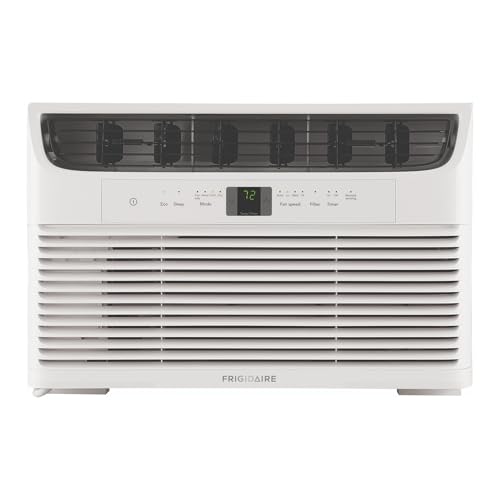
Frigidaire 8,000 BTU Window Air Conditioner with Remote Control, Cools Up to 350 Sq. Ft., Quiet Operation, Eco Mode, 3 Fan Speeds, Auto Restart, White
Check price on Amazon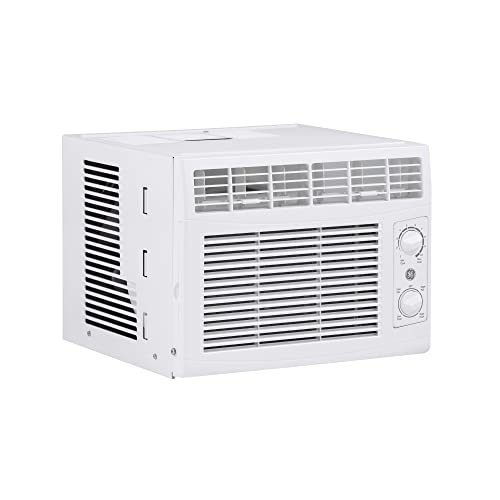
GE Window Air Conditioner Unit, 5,000 BTU for Small Rooms up to 150 sq ft. with Manual Adjustable Fan and Cooling Settings, Perfect for Small Bedroom or Living Room, Easy Install Kit Included, White
Check price on Amazon
Amazon Basics 5000-BTU Window Air Conditioner with Quiet Operation, Up to 150 Sqf, Cool and Fan Functions, Washable Filter, Adjustable Window Kit, Intuitive Mechanical Controls, for Small Room, White
Check price on AmazonDisclaimer
Some of the content on this site uses AI assistance. Information is provided for educational purposes only. We are not responsible for any losses resulting from the use of this information. By using this site, you waive any right to bring legal claims against us arising from your use of the information provided. If you do not agree, please do not use this site. Read the full disclaimer.