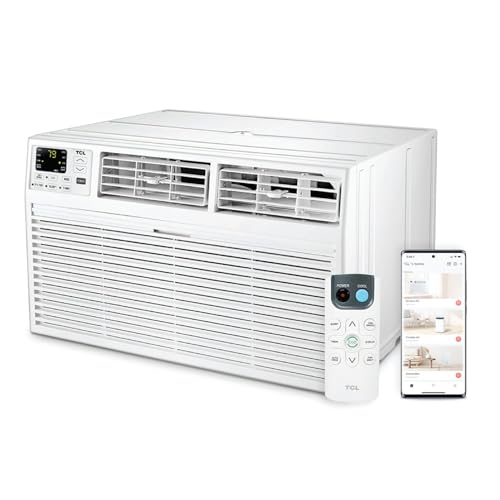
Through-the-Wall Air Conditioner Installation: Complete Cost & Planning Guide
Everything you need to know before installing a through-the-wall AC — from the factors that shape the project to step-by-step installation, permits, and smart pre-purchase tips.
Explore the GuideWhy this guide matters: A through-the-wall air conditioner is a permanent cooling solution that sits inside a dedicated wall sleeve — a middle ground between a window unit and a ductless mini-split. Because the installation involves structural work, electrical considerations, and often a permit, understanding the full scope of the project helps you plan correctly, avoid surprises, and choose the right unit the first time. This guide walks you through every stage so you can move forward with confidence.
What Is a Through-the-Wall Air Conditioner?
A through-the-wall air conditioner is a self-contained cooling unit installed into a sleeve built directly into an exterior wall. Unlike a window unit, it does not occupy window space and does not need to be removed seasonally. The sleeve stays in place, and the unit slides in and out for servicing. This design makes through-the-wall ACs a popular choice for older homes, multi-family buildings, and rooms where window space is limited or reserved for other purposes.
Compared with other cooling options, a through-the-wall unit offers a fixed, secure installation and typically a cleaner interior appearance. If you are still weighing categories, our overview of window AC installation and our guide to wall-mounted air conditioner installation can help you compare alternatives side by side.
Key Factors That Shape Your Installation Project
The scope of a through-the-wall installation is rarely identical from one home to the next. Several variables determine how much work is involved and which tier of equipment and labor you should plan for. The cards below summarize the most important ones.
Wall Construction & Sleeve
Masonry, brick veneer, siding, and drywall each require different cutting techniques and finishing. A pre-existing sleeve simplifies the job; a new opening requires structural framing and weather sealing.
Electrical Circuit
Most through-the-wall units need a dedicated circuit. If your panel has no spare capacity, an electrician may need to add a breaker or run a new line — a major scope variable.
Unit Capacity & Tier
Larger BTU capacities and premium-tier units with inverter compressors or smart controls require more careful sizing, but they often deliver better comfort and efficiency over time.
Permits & Inspections
Many jurisdictions require an electrical or structural permit for wall openings. Permit requirements vary by location and can add both time and administrative steps to the project.
Labor & Accessibility
Second-story installs, tight clearances, or difficult wall access increase labor complexity. Local labor norms also vary significantly by region.
Finishing & Weatherproofing
Proper flashing, insulation, caulking, and interior trim are essential to prevent drafts and moisture intrusion — and they add to the overall project scope.
Equipment Tiers and What They Mean for Your Project
Rather than focusing on numbers, it helps to think about through-the-wall ACs in terms of market tiers. Each tier reflects a different balance of features, build quality, and long-term efficiency. The table below maps tiers to typical use cases.
| Tier | Best For | Typical Characteristics |
|---|---|---|
| Entry-level | Guest rooms, rentals, seasonal use | Mechanical controls, single-speed compressor, basic filtration, straightforward sleeve fit. |
| Mid-range | Primary bedrooms, home offices, living areas | Digital controls, programmable timers, improved fan settings, quieter operation, better insulation. |
| High-end tier | Long-term primary installations, energy-conscious homes | Inverter compressor, higher efficiency ratings, smart/app control, enhanced dehumidification, premium materials. |
| Professional-grade | Commercial spaces, multi-unit properties, heavy-duty cycles | Reinforced chassis, commercial-grade components, extended service life, compatibility with centralized controls. |
A mid-range model typically offers smoother operation and better long-term efficiency than an entry-level unit, while a high-end tier unit is a worthwhile investment for rooms used daily. If you want to explore broader system comparisons before deciding, our guides on split system installation and ductless mini-split installation provide useful context on alternative approaches.
Installation Process: Step by Step
A professional through-the-wall installation generally follows the sequence below. Understanding these steps helps you ask the right questions when requesting quotes and ensures nothing is skipped.
- Assessment and sizing. The installer confirms the room's cooling load and selects a unit that matches the sleeve dimensions and electrical capacity.
- Permit and planning. Where required, the contractor obtains the necessary permits and schedules inspections.
- Wall opening and sleeve fitting. The wall is cut or prepared, the sleeve is inserted, leveled, and secured with proper framing.
- Electrical work. A dedicated circuit is run or verified, and the outlet is positioned per the manufacturer's specifications.
- Unit placement and sealing. The AC is slid into the sleeve, secured, and the perimeter is insulated, flashed, and sealed against moisture and drafts.
- Testing and finishing. The installer checks cooling performance, drainage, and electrical safety, then completes interior trim and exterior weatherproofing.
Pro tip: Ask your installer whether the sleeve is compatible with the unit you plan to buy. Sleeve dimensions vary, and mismatches are one of the most common causes of rework during through-the-wall projects.
How Through-the-Wall Compares to Other Cooling Options
If you are still deciding on the right cooling system for your home, comparing installation approaches side by side is a smart step. Through-the-wall units sit between window units and ducted systems in terms of complexity:
- Window units are the simplest to install but occupy window space. See our guide to window AC installation for details.
- Ductless mini-splits offer superior efficiency and quiet operation but require refrigerant lines and a more involved installation. Review our ductless AC installation guide for comparison.
- Central air provides whole-home comfort but is a major project with ductwork. Our central AC installation overview explains the scope.
- Wall-mounted split units combine a slim indoor head with an outdoor condenser — see our guide to wall unit AC installation for details.
Smart Planning Tips Before You Buy
- Measure the sleeve precisely. Height, width, and depth all matter. A fraction of an inch can determine whether a unit fits.
- Confirm the electrical requirement. Check the unit's amperage and whether your panel can support a dedicated circuit.
- Choose an efficiency rating that fits your usage. A high-end tier unit used daily is a long-term investment; an entry-level unit in a guest room is a solid choice for the tier.
- Plan for weatherproofing. Proper flashing and sealing protect your wall and improve efficiency — never skip this step to trim the project scope.
- Verify warranty requirements. Some manufacturers require professional installation to keep the warranty valid.
- Schedule installation off-season. Contractors are often more available in spring and fall, which can simplify scheduling.
Frequently Asked Questions
Can I install a through-the-wall AC myself?
While some homeowners handle the unit placement, cutting a wall opening, running electrical circuits, and weatherproofing are tasks best left to licensed professionals. Improper sealing can lead to moisture damage, and electrical mistakes create safety hazards.
How long does installation take?
When a sleeve and electrical circuit already exist, installation can often be completed in a few hours. Creating a new wall opening and running new electrical lines typically extends the project to a full day or more, depending on wall construction.
Do I need a permit?
Permit requirements vary by jurisdiction. Many areas require a permit for structural openings and new electrical circuits. Your contractor should confirm local requirements before starting work.
Can I replace an existing through-the-wall unit without a new sleeve?
Yes — if the existing sleeve matches the new unit's dimensions and the electrical circuit is adequate. This is the simplest and least disruptive scenario, and it is worth confirming before purchasing a replacement.
Is a through-the-wall AC more efficient than a window unit?
Efficiency depends on the specific model and tier rather than the form factor alone. High-end tier through-the-wall units with inverter compressors often outperform basic window units, while entry-level models in both categories are broadly comparable.