AC Replacement Guide: What to Know Before You Replace Your Unit
Understand the key factors behind AC replacement decisions, compare system types and efficiency tiers, and plan a smoother, better-informed project.
START WITH THE BASICSWhy this guide exists: Replacing an air conditioner is a major home decision, and the best outcome comes from understanding your options before you commit. This page walks you through the signals that point toward replacement, the main system types, efficiency tiers, and the planning steps that help you avoid costly mistakes.
When Does AC Replacement Make Sense?
Replacement is usually considered when repairs become frequent, performance drops, or the system approaches the end of its expected service life. The goal is not simply to get a new unit, but to restore comfort, reliability, and efficiency in a way that fits your home.
Frequent Breakdowns
If your system needs repeated repairs, the cumulative inconvenience and downtime may outweigh the benefit of continuing to patch the same unit.
Rising Energy Use
Aging systems often lose efficiency over time. If your cooling performance feels weaker while energy use climbs, replacement may be worth evaluating.
Uneven Cooling
Hot spots, weak airflow, or rooms that never seem to reach the set temperature can point to a system that is undersized, failing, or poorly matched to the ductwork.
Refrigerant Concerns
Older refrigerants and repeated leaks can complicate repairs. Modern systems use updated refrigerants and components designed for current standards.
Unusual Noises or Odors
Grinding, rattling, or persistent odors may indicate failing components or contamination that is better addressed through replacement than repeated fixes.
Age and Service Life
When a unit is well into its expected lifespan, planning replacement on your schedule is often better than waiting for a mid-summer failure.
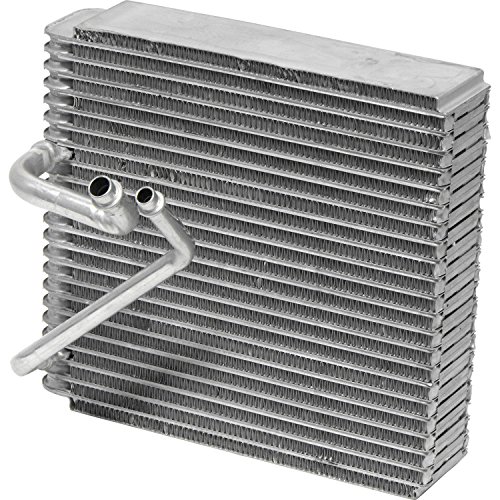
Helpful context: Replacement decisions are often easier to compare when you understand related project paths. For example, some homeowners evaluating a full replacement also review options like replacing the condenser unit or replacing the evaporator to see whether a partial replacement fits their situation.
Main AC System Types to Compare
The right replacement choice depends on your home's ductwork, layout, and comfort goals. Each system type has distinct strengths and trade-offs.
| System Type | Best For | Key Considerations |
|---|---|---|
| Central Air Conditioning | Homes with existing ductwork and whole-home cooling needs | Requires duct inspection; indoor and outdoor components should be matched |
| Ductless Mini-Split AC | Homes without ducts, room additions, or zoned comfort | Flexible zoning; each indoor head serves a specific area |
| Window Air Conditioner | Single rooms and simple cooling setups | Installation constraints; limited coverage area per unit |
| Portable Air Conditioner | Temporary or rental-friendly cooling | Venting requirements; portability is the main advantage |
| Inverter AC | Variable-speed comfort and steadier temperature control | Different compressor technology than single-stage systems |
Efficiency Tiers: A Practical Comparison
Efficiency ratings help you compare systems within their class. Instead of focusing on numbers alone, think about how each tier fits your usage patterns and long-term goals.
Essential Tier
Entry-level systems that cover basic cooling needs. A solid choice for mild climates or rooms where cooling demand is moderate.
Balanced Tier
Mid-range systems that blend performance and efficiency. Well-specified for the category and often a practical fit for whole-home comfort.
High-End Tier
Premium systems with advanced features, quieter operation, and stronger efficiency. A worthwhile investment for long-term comfort and lower energy use.
Related reading: If you are comparing efficiency-focused models, see our overview of the high SEER air conditioner category to understand how efficiency ratings differ across tiers.
The AC Replacement Process, Step by Step
A well-planned replacement follows a clear sequence. Understanding each step helps you ask better questions and avoid surprises.
Assess the Current System
A technician inspects the outdoor unit, indoor coil or air handler, electrical connections, and ductwork to identify what can be reused and what should be replaced.
Perform a Load Calculation
Proper sizing considers square footage, insulation, windows, climate, and occupancy. This step prevents the pitfalls of an oversized or undersized replacement.
Choose the System and Tier
Select the system type and efficiency tier that match your home and comfort goals. Matching indoor and outdoor components is important for performance and warranty coverage.
Plan Installation Logistics
Confirm access, electrical requirements, line set needs, and permit requirements. Clear planning reduces downtime and installation complications.
Verify Performance After Installation
After installation, airflow, refrigerant charge, and thermostat operation should be tested. Ask for a walkthrough of the new system and its maintenance needs.
Planning insight: If your project involves adding cooling to an existing setup, related guides such as adding air conditioning to a forced-air system and adding central air to an older home can help you compare scenarios before you decide on a full replacement.
What Affects the Scope of an AC Replacement Project?
Two replacements of the same system type can involve very different work. Understanding the variables helps you interpret proposals and compare them fairly.
Ductwork Condition
Leaky, undersized, or damaged ducts can reduce performance. Some projects include duct sealing or repair alongside the replacement. See ductless vs ducted AC for context on system alternatives.
Electrical Requirements
Newer systems may require dedicated circuits or updated wiring. This is a common scope item that affects installation time and planning.
Access and Location
Rooftop, attic, or tight-space installations can involve more labor. Access considerations are worth discussing during the site assessment.
Refrigerant Line Sets
Reusing old line sets is not always appropriate. Your installer should confirm whether existing lines are compatible with the new system.
Permits and Inspections
Many jurisdictions require permits for HVAC replacements. Confirm responsibilities with your contractor before work begins.
System Compatibility
Matching the indoor coil, air handler, and outdoor unit supports efficiency and reliability. Mixed systems can create performance gaps.
Replacement Options by Tier and Category
Use this comparison to think about where different replacement paths typically fit. Tiers describe relative market position, not specific figures.
| Tier | Category | Best For |
|---|---|---|
| Entry-level | Essential cooling | Single rooms, mild climates, simple setups |
| Mid-range | Balanced whole-home comfort | Typical homes seeking reliable performance |
| Premium | High-efficiency systems | Long-term efficiency and quieter operation |
| Professional-grade | Advanced zoning and controls | Multi-zone comfort and complex layouts |
| Commercial-grade | Heavy-duty applications | High-demand or larger-scale installations |
Common AC Replacement Mistakes to Avoid
- Replacing without a load calculation. Matching the old unit's size is not the same as sizing it correctly for your home.
- Ignoring ductwork. Even a high-efficiency system underperforms with poor ductwork. Ask for an inspection.
- Mixing incompatible components. A new outdoor unit paired with an aging indoor coil can reduce performance and reliability.
- Choosing on efficiency alone. The right tier depends on your usage, climate, and comfort priorities.
- Skipping the post-installation check. Airflow, refrigerant charge, and controls should be verified before the project is considered complete.
Frequently Asked Questions
How do I know if I should replace my air conditioner?
Common signs include frequent breakdowns, rising energy use, uneven cooling, unusual noises, refrigerant issues, and a system age approaching the end of its expected service life. A qualified HVAC technician can help confirm whether replacement is the better path.
Should I replace the indoor and outdoor units at the same time?
In many cases, replacing both the indoor air handler or coil and the outdoor condenser together is recommended for compatibility, efficiency, and warranty coverage. Mixing old and new components can reduce performance and create reliability issues.
What size air conditioner should I choose for replacement?
The right size depends on the home's square footage, insulation, window area, climate, ductwork condition, and occupancy. A proper load calculation is more reliable than simply matching the old unit's capacity.
How long does an AC replacement typically take?
A straightforward replacement often takes one day, while projects involving ductwork changes, electrical upgrades, or difficult access may take longer. Your installer can provide a more specific timeline after assessment.
Next Steps for a Confident Replacement Decision
Replacement is a big decision, but it becomes much clearer when you understand your system, your home, and your options. Start by confirming why replacement is being considered, then compare system types and tiers, and finally plan the installation details with a qualified contractor.
If you are at the earlier research stage, you may also find it useful to compare broader project paths, such as installing a central air conditioning system or installing a ductless mini-split system, to see which direction fits your home best.
When you are ready, review the recommended systems below to explore options that match your replacement goals.