Cost to Install a Central Air Conditioning System
Planning a central AC installation? This guide explains the factors that shape the total project outlay, system tiers, ductwork considerations, and how to prepare a sensible installation plan for your home.
Overview of Central AC Installation
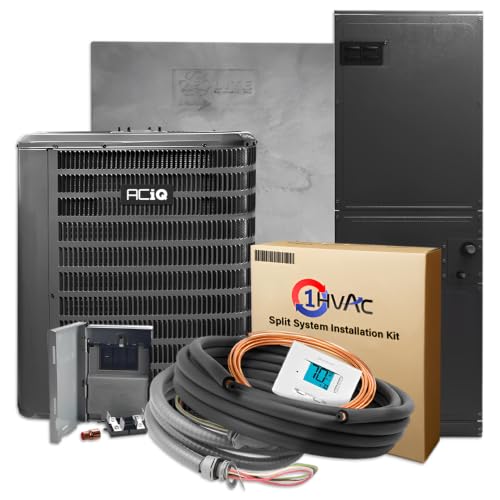
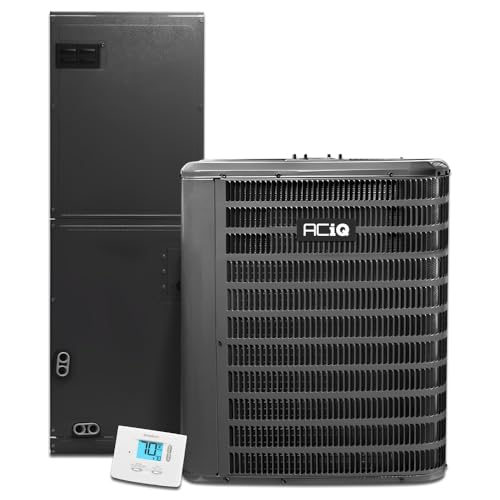
A central air conditioning system distributes cooled air through a network of ducts connected to an indoor air handler and an outdoor condenser unit. Installing one is a significant home improvement project that involves equipment selection, ductwork assessment, electrical work, and professional labor.
The total project outlay depends on several variables, including the size of your home, the condition of existing ductwork, the efficiency tier of the equipment, and local labor rates. Homeowners typically encounter a wide range of figures because no two installations are identical. Understanding each component helps you evaluate proposals from contractors and plan a realistic project.
If you are exploring broader system options, the guide on different types of air conditioning for homes provides helpful context before committing to central air. For a full comparison of installation approaches, the cost to install an air conditioning system article covers alternative configurations.
Key Factors That Influence Installation Outlay
Several interconnected factors determine the overall project scope. Reviewing them before requesting quotes helps you ask the right questions and compare contractor proposals fairly.
- Home size and cooling load: Larger homes require higher-capacity equipment and more extensive ductwork. A professional load calculation (Manual J) determines the correct system size.
- Existing ductwork condition: Homes with usable, properly sized ducts need less work. Older homes without ducts or with deteriorated ductwork face additional fabrication and installation labor.
- Equipment efficiency tier: Entry-level systems meet minimum standards, while mid-range and high-end tier systems offer higher SEER2 ratings and advanced features. The ENERGY STAR HVAC overview explains efficiency classifications.
- Electrical panel capacity: Some homes require panel upgrades or dedicated circuits to support a central AC system. An electrician may need to assess the service panel.
- Labor rates and region: Installation labor varies by market and season. Complex installations in multi-story homes or with limited attic access take longer.
- Permits and inspections: Most jurisdictions require mechanical permits and inspections for new central AC installations.
- Thermostat and controls: Smart thermostats and zoning controls add to the project scope but improve comfort and efficiency.
For a detailed look at how home size influences project scope, the guide on installing central air in a 1,000 sq ft home provides useful benchmarks.
System Tiers and What They Offer
Central AC equipment is commonly grouped into quality tiers. Rather than focusing on specific figures, it helps to understand what each tier delivers in terms of efficiency, durability, and features.
| Tier | Best For | Typical Characteristics |
|---|---|---|
| Entry-level | Straightforward replacements, mild climates | Meets minimum SEER2 standards, single-stage compressor, basic controls |
| Mid-range | Most homes seeking balanced efficiency | Higher SEER2 rating, two-stage or variable-speed compressor options, quieter operation |
| Premium | Homeowners prioritizing efficiency and comfort | Top-tier SEER2, advanced humidity control, smart thermostat compatibility, enhanced warranty coverage |
| Luxury / Flagship | Large homes, zoned systems, exacting comfort requirements | Variable-speed inverter technology, premium materials, sophisticated zoning and air quality integration |
Mid-range models usually offer a smoother balance of efficiency and features compared with entry-level units, while premium and flagship tiers deliver the highest comfort and long-term operational efficiency. The article on energy-efficient split system air conditioners explores efficiency in greater depth.
Ductwork: New vs Existing
Ductwork is often the largest variable in a central AC installation. Homes with existing, well-sealed ducts may only need minor modifications. Homes without ducts, or with undersized or damaged ductwork, require a full design and installation.
- Existing ductwork: A contractor will inspect for leaks, insulation condition, sizing, and layout. Sealing and balancing may be sufficient. Learn more in the ductwork design guide.
- New ductwork: Installing ducts in an older home can involve opening walls, ceilings, or floors. Attic and crawlspace configurations influence complexity. The guide on adding central air to an older home covers these scenarios.
- Ductless alternatives: If ductwork is impractical, a ductless mini-split AC may be a suitable alternative. Compare approaches in the ducted vs ductless article.
Proper duct sealing and insulation significantly affect system performance. The resource on installing an HVAC system with ductwork details the combined scope.
Installation Components Breakdown
Central AC installation consists of several distinct work items. Understanding them helps you review contractor proposals and identify what is included.
- Equipment selection and sizing: Load calculation, equipment matching, and system design.
- Outdoor condenser placement: Site preparation, pad or bracket installation, and clearance considerations.
- Indoor air handler and coil: Installation in attic, closet, or utility space; connection to ductwork.
- Refrigerant line set: Routing and brazing of copper lines, pressure testing, and evacuation.
- Ductwork fabrication and connection: New ducts or modifications, sealing, and insulation.
- Electrical work: Dedicated circuit, disconnect box, and panel assessment.
- Thermostat and controls: Installation and configuration of the control system.
- Testing and commissioning: Airflow balancing, refrigerant charge verification, and system startup.
For a closer look at related service categories, the HVAC tune-up and HVAC repair guides explain ongoing maintenance considerations after installation.
New Installation vs Replacement
The scope differs significantly between a new installation and replacing an existing system.
| Scenario | Scope | Considerations |
|---|---|---|
| Replacement with existing ducts | Remove old equipment, install new condenser and air handler, reconnect ducts | Faster timeline; duct inspection still recommended; line set reuse may be possible |
| New installation with existing ducts | Add central AC to a home with furnace ducts | Coil addition, line set routing, electrical work; duct sizing verification |
| New installation with new ducts | Full system design and installation in a home without ducts | Most extensive scope; wall/ceiling access; longer timeline |
If you are adding central air to an existing forced-air heating system, the guide on installing AC with existing ductwork explains the integration process.
Planning and Efficiency Strategies
Thoughtful planning can improve the long-term value of your installation. Consider these strategies:
- Obtain multiple detailed quotes: Compare scope, equipment tiers, warranty terms, and included services—not just headline figures.
- Prioritize proper sizing: An oversized system cycles frequently and dehumidifies poorly. Insist on a Manual J load calculation.
- Seal and insulate ducts: Duct leakage wastes energy. Sealing ducts improves efficiency in the long run.
- Choose an appropriate efficiency tier: Higher SEER2 systems use less energy over the equipment's lifespan, making them an efficient long-term investment.
- Ask about available incentives: Federal tax credits and local utility rebates may apply to high-efficiency systems. Review ENERGY STAR qualified air conditioners for guidance.
- Plan for maintenance: Regular service extends equipment life. See the first week after AC installation checklist.
Planning tip: Request a written scope of work that lists equipment model numbers, SEER2 ratings, ductwork modifications, electrical work, permit responsibilities, and warranty terms. A clear proposal reduces surprises during the project.
Homeowners exploring alternatives may also consider mini-split heat pump installation or review the estimated central air installation overview for additional context.
Frequently Asked Questions
What factors influence the cost to install a central air conditioning system?
Key factors include home size, existing ductwork condition, system efficiency tier (SEER2 rating), labor rates in your region, electrical panel capacity, and whether you need new ductwork or modifications.
How long does a central air conditioning installation take?
A straightforward replacement with existing ductwork typically takes one to two days. A new installation requiring ductwork can take three to five days or more, depending on home complexity.
Is it better to replace ductwork when installing a new central AC?
If existing ductwork is leaky, undersized, or poorly sealed, replacing or sealing it improves efficiency and comfort. A professional inspection determines whether ductwork replacement is advisable.
What SEER2 rating should I choose for a new central AC system?
Minimum SEER2 requirements vary by region. Higher SEER2 ratings reduce energy consumption over time. Mid-range and high-end tier systems typically offer better long-term efficiency.
Should I repair or replace my existing central AC system?
If your system is aging, requires frequent repairs, or uses outdated refrigerant, replacement may be the more efficient long-term choice. The freon leak repair guide and fixing an air conditioner resource can help you weigh options.
Do I need a permit to install central air conditioning?
Most jurisdictions require a mechanical permit and inspection for new central AC installations. Your contractor should handle permit applications as part of the project scope.