AC Contactor Replacement: What Homeowners Should Understand
A failed contactor is one of the most common reasons an outdoor AC unit stops responding. Here is how the part works, why it fails, and what the replacement process involves.
When the air conditioner stops cooling and the outdoor unit stays silent, the problem is often an electrical component rather than the compressor itself. The contactor is a small but critical switch inside the condenser unit that controls power to the compressor and condenser fan. Understanding how it works — and what happens when it fails — helps homeowners ask the right questions and avoid unnecessary parts replacement.
This guide explains the role of the contactor, the warning signs of failure, the replacement process, and how to judge whether repair is the sensible path or whether the system is better served by a broader upgrade. For homeowners evaluating a larger investment in a new outdoor unit, the comparison in AC condenser unit replacement considerations provides useful context on when a single component repair is no longer the right call.
Key point: A contactor is an inexpensive component relative to major system parts, but it controls high-voltage circuits. Diagnosis and replacement should always be performed by a licensed HVAC technician with proper electrical safety equipment.
What Is an AC Contactor and What Does It Do?
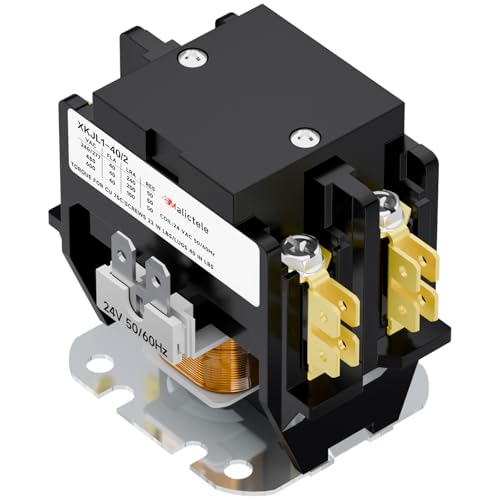
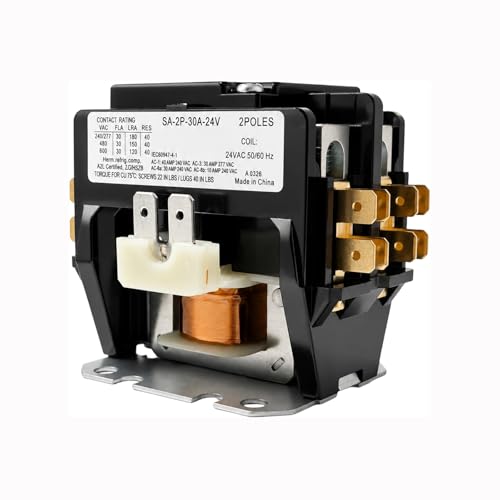
The contactor is an electrically controlled switch housed inside the outdoor condenser cabinet. It receives a low-voltage signal from the thermostat and, in response, closes a set of heavy-duty contacts that route line voltage to the compressor and the condenser fan motor. When the thermostat calls for cooling, the contactor closes; when the call ends, it opens and cuts power to those components.
Because the contactor manages the highest current draw in the entire system, its contacts are designed for repeated cycling under load. Over years of operation, the contacts pit, arc, and carbon up. This wear is normal, and it is the reason contactors are treated as a serviceable part rather than a permanent one.
Where the Contactor Sits in the System
- Thermostat: sends a low-voltage control signal.
- Control board: routes that signal to the contactor coil.
- Contactor: closes the high-voltage circuit to the compressor and fan.
- Capacitor and motors: receive power once the contactor closes.
If the contactor does not close, the compressor and condenser fan receive no power, even though the indoor blower may continue running. This mismatch — indoor air moving but outdoor unit silent — is a classic contactor symptom.
Common Signs the Contactor Needs Replacement
Contactor failure rarely happens without warning. Homeowners who pay attention to the system's behavior can flag the problem early, which shortens the diagnostic visit and reduces the risk of secondary damage.
Behavioral Symptoms
- The outdoor unit does not start, but the indoor blower runs normally.
- A clicking sound comes from the condenser cabinet, followed by no fan or compressor activity.
- The system starts and stops erratically, or the compressor short-cycles.
- The thermostat displays a call for cooling that the outdoor unit does not answer.
Visual Symptoms
- Dark pitting, burn marks, or melted plastic around the contactor contacts.
- A visibly stuck or welded contact plate.
- Discoloration or heat damage on the wiring terminals.
- Pest activity or debris inside the contactor enclosure, which is a surprisingly common cause in outdoor cabinets.
If the compressor itself has failed, the symptoms can look similar. That distinction matters, because compressor replacement is a much larger undertaking, as outlined in house AC compressor replacement. A qualified technician uses voltage and resistance testing to separate a failed contactor from a failed compressor before recommending parts.
Why Contactors Fail
Contactors are wear items, but several factors accelerate their decline:
- Normal electrical arcing: every close and open cycle produces a small arc that erodes the contacts over time.
- Loose wire connections: poor terminations create resistance and heat, which damage the contactor and surrounding wiring.
- Voltage irregularities: brownouts and surges stress the coil and contacts.
- Moisture and pests: outdoor cabinets are exposed to weather, insects, and rodents that can nest inside the electrical compartment.
- Aging capacitors: a weak capacitor forces the compressor to draw higher current at startup, which shortens contactor life. This is why technicians often inspect the capacitor during the same visit.
Because capacitor health and contactor health are linked, a thorough diagnosis often includes testing the run capacitor. Homeowners who want to understand that adjacent repair can review heat pump capacitor replacement, since the component and failure logic are similar across cooling systems.
How the Replacement Process Works
A contactor replacement is a short, focused repair, but the steps matter for safety and for confirming the fix is complete. A competent technician follows a sequence like this:
- Power down the system. The technician shuts off the disconnect at the outdoor unit and the breaker at the panel, then confirms zero voltage at the contactor terminals.
- Diagnose the failure. Voltage testing at the coil and line terminals confirms whether the contactor is failing to close, stuck closed, or damaged. The technician also checks the control board signal and capacitor condition.
- Match the replacement part. Contactors are rated by voltage, current capacity, and pole configuration. The correct part must match the original specifications or the manufacturer's approved substitute.
- Disconnect and remove the old contactor. Wires are labeled or photographed before removal to ensure correct reconnection.
- Install the new contactor. Terminal screws are tightened to specification, and the wiring is routed clear of moving parts and sharp edges.
- Test operation. The technician restores power, verifies the contactor closes on a cooling call, checks compressor and fan amperage, and confirms the system cycles off cleanly.
- Document the repair. The part number, test readings, and any related findings are recorded for warranty and service history.
During the visit, the technician should also inspect the capacitor, wiring terminations, and cabinet condition. A contactor that failed due to loose connections or pest intrusion will fail again unless the underlying cause is addressed.
What Affects the Overall Repair Decision
Contactor replacement itself is a modest repair relative to major system work. The more important question for homeowners is whether the repair is a one-off fix on a healthy system or a symptom of broader decline. The table below frames that decision in terms of system condition rather than specific figures.
| System Condition | Typical Repair Approach | Best For |
|---|---|---|
| System under 10 years old, otherwise healthy | Replace contactor and inspect capacitor and wiring | Homeowners preserving a mid-range system with remaining service life |
| System 10–15 years old with one prior electrical repair | Replace contactor, test compressor draw, consider a maintenance plan | Homeowners weighing repair against a planned upgrade |
| System over 15 years old with repeated failures | Full system evaluation; replacement may be the better long-term investment | Homeowners facing a second or third repair in a short period |
| System with a failed compressor alongside a failed contactor | Compressor-level evaluation before any parts replacement | Homeowners deciding between major repair and replacement |
When the evaluation points toward replacement rather than repair, comparing full system options is the next step. The overview in air conditioning unit replacement helps homeowners understand what a full replacement involves, and 5-ton air conditioner replacement planning is relevant for larger homes where system capacity is a factor.
Repair or Replace: A Practical Framework
Contactor replacement is usually the right call when the rest of the system is sound. The decision shifts when repairs begin to cluster.
Lean Toward Repair When:
- The system is within its expected service life and has a clean repair history.
- The contactor is the only confirmed fault, and the compressor, capacitor, and refrigerant charge test within specification.
- The repair restores full operation and the system holds stable through a complete cooling cycle.
Lean Toward Replacement When:
- The system is in its final third of expected service life and has needed multiple repairs.
- The compressor shows signs of decline alongside the contactor failure.
- Efficiency has become a practical concern — older single-stage systems consume noticeably more energy than modern inverter-driven units, which are covered in the site's inverter AC overview.
- The homeowner is planning other upgrades, such as adding cooling to a space that currently has none, where adding air conditioning to a forced-air system is the relevant starting point.
Practical advice: Ask the technician for the measured readings — contactor coil voltage, compressor amperage, and capacitor microfarad values. Numbers make the repair-or-replace decision objective rather than emotional.
How to Avoid Repeat Contactor Failures
A replaced contactor should last years, not months. If failures recur, the cause is usually environmental or electrical rather than the part itself.
- Schedule annual maintenance. A spring tune-up includes tightening electrical terminations, which is the single most effective preventive measure. The scope of that visit is similar to a furnace maintenance service in terms of what a technician checks.
- Keep the cabinet sealed. Replace missing panels and seal entry points to keep pests and moisture out of the electrical compartment.
- Address voltage issues. If the home experiences frequent brownouts, a whole-home surge protector or a dedicated disconnect inspection is worth discussing with the technician.
- Replace aging capacitors proactively. A failing capacitor is a known contactor killer; replacing it during a tune-up prevents the cascade.
- Keep the outdoor unit clear. Debris and vegetation around the cabinet increase heat and stress on electrical components.
Homeowners who prefer a structured maintenance routine can review the site's AC maintenance guide for a season-by-season checklist.
When to Call a Professional
Contactor replacement is not a homeowner DIY task. The outdoor cabinet contains line voltage, and the capacitor holds a stored charge even after power is disconnected. The risks include serious electrical shock, damage to the control board, and voided manufacturer warranties. A licensed technician brings the meters, the safety procedures, and the parts knowledge to complete the repair correctly and confirm the system is operating within specification afterward.
If the outdoor unit is silent while the indoor blower runs, the right first step is a diagnostic visit — not a parts purchase. The technician will confirm whether the contactor, capacitor, compressor, or control board is responsible, and recommend the repair path that matches the system's actual condition.
Frequently Asked Questions
How do I know if my AC contactor is bad?
Common signs include the outdoor unit not turning on while the indoor blower runs, a clicking sound without the fan or compressor starting, visible pitting or burn marks on the contactor, and the compressor failing to engage. A technician confirms the diagnosis with voltage and resistance testing.
Can I replace an AC contactor myself?
Contactor replacement involves high-voltage wiring and capacitors that store dangerous charge. It is a job best handled by a licensed HVAC technician. DIY replacement risks electrical shock, equipment damage, and voided warranties.
How long does a contactor replacement take?
A straightforward replacement typically takes 30 to 60 minutes once the technician has diagnosed the issue and confirmed the correct replacement part is on hand.
Will a new contactor fix my AC?
If the contactor is the confirmed point of failure, replacement usually restores operation. However, if the underlying cause is a failing capacitor, low refrigerant, or a compressor issue, the contactor alone will not solve the problem.
How often should a contactor be replaced?
There is no fixed interval. A contactor can last many years under normal cycling, but it is a wear item. Annual maintenance that includes tightening connections and inspecting contacts is the best way to catch decline before a full failure.