Heat Pump Capacitor Replacement: What to Expect
Understand the signs of a failing capacitor, the replacement process, and how to decide between professional service and DIY repair for your heat pump system.
START LEARNINGQuick Overview: A heat pump capacitor is a small but critical component that helps start and run the compressor and fan motors. When it fails, your heat pump may stop cooling, heating, or running altogether. Replacing a capacitor is one of the most common heat pump repairs, and understanding what to expect can help you make an informed decision about your system's maintenance.
What Is a Heat Pump Capacitor?
A capacitor is an electrical component that stores and releases energy to help start and run the motors inside your heat pump. Heat pumps typically use two types of capacitors:
- Start Capacitor: Provides an extra boost of energy to start the compressor motor. It is briefly engaged during startup and then disengages once the motor is running.
- Run Capacitor: Continuously provides energy to keep the compressor and fan motors running smoothly. It helps maintain a steady electrical current and reduces the strain on the motor.
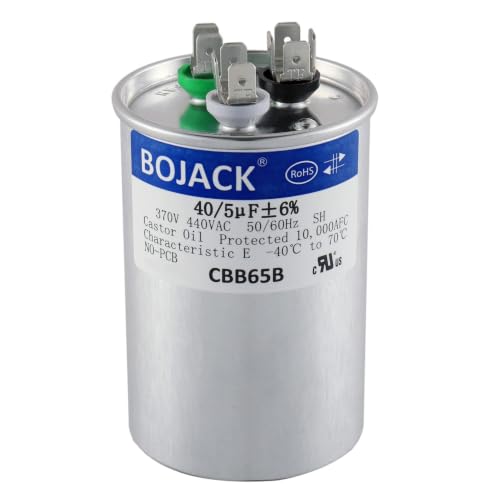
Some heat pump systems also use a dual-run capacitor, which combines the functions of both the compressor and fan motor capacitors into a single unit. Understanding which type your system uses is helpful when discussing replacement options with a technician.
Capacitors are relatively small and typically located in the outdoor condenser unit or the indoor air handler. Over time, they can degrade due to heat, electrical surges, or normal wear and tear, leading to system malfunction.
Signs Your Heat Pump Capacitor May Need Replacement
Recognizing the symptoms of a failing capacitor can help you address the issue before it leads to more extensive damage. Common signs include:
- Heat pump won't start: If the system clicks but doesn't turn on, a failed start capacitor may be the culprit.
- Inconsistent cooling or heating: The system may run but fail to maintain the desired temperature.
- Motor hums but doesn't run: A humming sound from the outdoor unit or air handler often indicates a capacitor that cannot provide enough energy to start the motor.
- Frequent tripping of the circuit breaker: A failing capacitor can cause electrical surges that trip the breaker.
- Visible damage to the capacitor: A bulging top, leaking fluid, or burn marks are clear signs of failure.
- Higher energy consumption: A weakened capacitor forces the motor to work harder, increasing electricity usage.
If you notice any of these symptoms, it's advisable to have a qualified HVAC technician inspect your system. They can test the capacitor with a multimeter and confirm whether replacement is necessary.
Replacement Options: Professional Service vs. DIY
When it comes to replacing a heat pump capacitor, you have two main options: hiring a professional HVAC technician or attempting a DIY replacement. Each approach has its own considerations.
Professional Capacitor Replacement
Hiring a licensed HVAC technician is the safest and most reliable option. A professional will:
- Diagnose the issue accurately using specialized testing equipment.
- Source the correct capacitor for your specific heat pump model.
- Safely discharge the old capacitor and install the new one.
- Verify that the system operates correctly after replacement.
- Provide a warranty on parts and labor.
Professional service is particularly recommended for homeowners who are not comfortable working with electrical components or who have a system that is still under warranty (DIY work may void the warranty).
DIY Capacitor Replacement
For experienced DIYers with electrical knowledge, replacing a capacitor can be a manageable task. However, it involves several safety risks:
- Electrical shock hazard: Capacitors can hold a charge even after the power is turned off. Proper discharge procedures are essential.
- Incorrect part selection: Using the wrong capacitance or voltage rating can damage the system or cause a safety hazard.
- Warranty concerns: Many manufacturers require professional installation to maintain warranty coverage.
- Improper installation: Loose connections or incorrect wiring can lead to further damage.
If you choose to DIY, always turn off the power at the breaker, discharge the capacitor safely, and use the exact replacement part specified by your heat pump manufacturer. When in doubt, consult a professional.
What to Expect During the Replacement Process
Understanding the steps involved in a professional capacitor replacement can help you feel prepared and know what questions to ask. Here's a typical process:
- Diagnosis: The technician will inspect your heat pump, test the capacitor, and confirm the diagnosis. They may also check related components like the compressor and fan motor.
- Part Sourcing: The technician will obtain a replacement capacitor that matches your system's specifications. This may be done on-site from a service vehicle or sourced from a local supplier.
- Power Disconnection: The power to the outdoor unit and air handler will be turned off at the breaker to ensure safety.
- Capacitor Discharge and Removal: The old capacitor will be safely discharged and disconnected from the wiring.
- Installation: The new capacitor will be installed, and all connections will be securely tightened.
- Testing: The technician will restore power and test the system to ensure the compressor and fan motors start and run correctly. They may also check the capacitance of the new part to confirm it meets specifications.
- Cleanup and Documentation: The work area will be cleaned, and the technician will provide documentation of the service, including any warranty information.
The entire process typically takes less than an hour for a straightforward capacitor replacement, though it may take longer if additional issues are discovered.
Capacitor Replacement Service Tiers
When selecting a service provider for capacitor replacement, you'll encounter different tiers of service. The table below outlines what you might expect from each tier. Note that these are general descriptions, and actual offerings vary by provider.
| Service Tier | Best For | What to Expect |
|---|---|---|
| Essential Tier | Routine replacements, straightforward diagnoses | Basic diagnosis, standard replacement capacitor, functional testing, and a limited warranty on parts. Suitable for well-maintained systems with a clear-cut capacitor failure. |
| Balanced Tier | Most homeowners seeking reliability and peace of mind | Comprehensive diagnosis, premium replacement capacitor, full system check, extended warranty on parts and labor, and preventive maintenance recommendations. |
| High-End Tier | Complex systems, older heat pumps, or homes with multiple HVAC zones | Detailed electrical inspection, high-grade capacitor with enhanced durability, thorough system performance evaluation, extended warranty, and follow-up service options. |
Choosing the right service tier depends on your system's age, condition, and your comfort level with DIY repairs. For most homeowners, the balanced tier offers a solid combination of reliability and value for the category.
Factors That Influence the Replacement Process
Several factors can affect how long the replacement takes, which parts are needed, and the overall complexity of the job:
- Capacitor Type: A dual-run capacitor may take slightly longer to replace than a single-run or start capacitor due to multiple connections.
- System Accessibility: If the capacitor is located in a tight or hard-to-reach area, the technician may need extra time.
- Heat Pump Age and Model: Older or less common models may require special-order parts, extending the timeline.
- Additional Repairs Needed: If the capacitor failure has caused secondary damage (e.g., to the compressor or fan motor), additional repairs may be necessary.
- Location: Service availability and part sourcing can vary by region, which may influence scheduling and turnaround time.
Discussing these factors with your technician during the initial consultation can help you set realistic expectations.
Replace the Capacitor vs. Replace the System
A failed capacitor is a relatively minor repair compared to replacing an entire heat pump. In most cases, replacing the capacitor is the most practical and efficient solution, especially if the rest of the system is in good condition. However, consider the following:
- System Age: If your heat pump is nearing the end of its expected lifespan (typically 10–15 years), a capacitor replacement may only be a temporary fix before larger issues arise.
- Frequency of Repairs: If you've had multiple repairs in recent years, it may be worth evaluating whether a system upgrade is more practical in the long run.
- Efficiency: Older systems are often less energy-efficient. Upgrading to a newer high-efficiency model can reduce energy consumption and improve comfort.
- Warranty Coverage: If your system is still under warranty, replacing the capacitor through an authorized service provider is usually the best course of action.
For a broader comparison of replacement scenarios, you may find it helpful to explore guides on replacing an air conditioning unit or heat pump condenser replacement. These resources provide context for larger decisions about your HVAC system.
Tips to Extend Capacitor Life
While capacitors have a finite lifespan, you can take steps to maximize their durability and reduce the likelihood of premature failure:
- Schedule regular maintenance: Annual HVAC tune-ups can catch failing capacitors early and prevent secondary damage.
- Keep the outdoor unit clean: Debris and dirt can cause the system to overheat, stressing electrical components.
- Monitor electrical supply: Power surges can damage capacitors. Consider a surge protector for your HVAC system.
- Replace aging capacitors proactively: If your capacitor is more than 5–7 years old, discuss proactive replacement during a maintenance visit.
- Ensure proper airflow: Clogged filters and blocked vents can cause the system to work harder, increasing wear on all components.
These simple steps can help you avoid unexpected breakdowns and extend the life of your heat pump system.
Frequently Asked Questions
Need More Information?
Explore our related guides to help you make informed decisions about your heat pump and HVAC system.
HEAT PUMP CONDENSER REPLACEMENT AC UNIT REPLACEMENT GUIDERelated Resources
For additional context on heat pump maintenance and replacement decisions, the following guides may be helpful:
- Heat pump fan motor replacement — Learn about fan motor issues and replacement considerations.
- AC contactor replacement — Understand another common electrical component in heat pump systems.
- AC control board replacement — Explore control board issues and repair options.
- Heat pump vs. air conditioner — Compare these two HVAC options for your home.
- Ductless heat pump systems — Discover alternatives to traditional ducted heat pump setups.