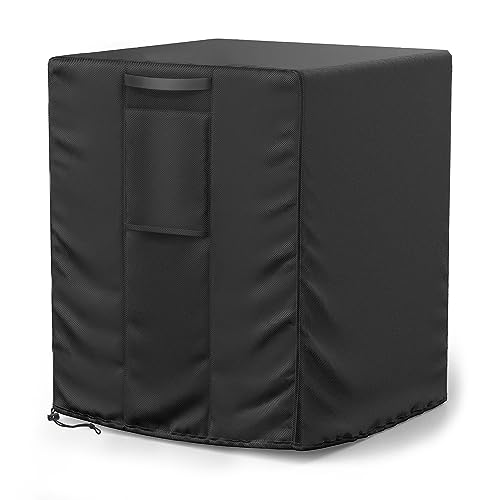
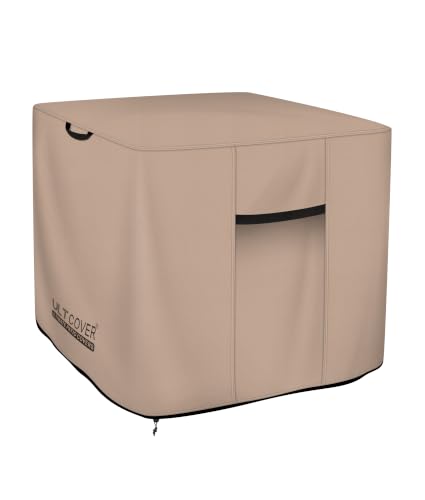
Covering Outside AC Unit: Complete Protection Guide
Learn how to properly protect your outdoor condenser with the right cover, materials, and techniques to extend its lifespan and maintain efficiency.
START LEARNINGWhy Covering Your Outside AC Unit Matters: Your outdoor condenser is exposed to the elements year-round. Proper covering during the off-season protects it from snow, ice, debris, and pests — helping you avoid unexpected repairs and keeping the system efficient for years to come.
Understanding Your Outdoor AC Unit
The outdoor portion of a central air conditioning system — commonly called the condenser unit — houses the compressor, condenser coils, and a fan. It is designed to withstand weather, but that does not mean it is indestructible. During the cooling season, the unit needs unrestricted airflow to release heat from your home. During the off-season, however, it becomes vulnerable to snow accumulation, falling leaves, rodent nesting, and ice damage.
Covering the unit is a common practice, but it must be done correctly. An improper cover can trap moisture, encourage rust, and even create a habitat for pests. This guide explains when to cover, what materials work best, and how to avoid the most common mistakes. If you are also exploring system upgrades, understanding related topics like different types of air conditioning for homes can help you put your outdoor unit in context.
Key Benefits of Covering Your Outdoor Unit
Debris Protection
Prevents leaves, twigs, and dirt from accumulating inside the cabinet and clogging the condenser coils, which would reduce efficiency when the system restarts.
Snow and Ice Defense
Reduces the risk of snow packing into the fan blades and ice forming on internal components, which can cause mechanical stress during freezing temperatures.
Pest Deterrence
A properly fitted cover discourages rodents, insects, and birds from nesting inside the unit during months of inactivity.
Extended Lifespan
Protecting the cabinet and internal parts from moisture and debris helps slow corrosion and wear, supporting a longer service life for the entire system.
Preserved Efficiency
Clean coils and an unobstructed fan mean the system can return to peak performance when the cooling season begins again.
Fewer Service Calls
By preventing debris-related issues, a good cover can reduce the likelihood of needing fixing an air conditioner shortly after the off-season.
When to Cover — and When Not To
Timing is critical. Cover the unit only when it will not be used for an extended period — typically late fall through early spring in cooling-dominant climates, or during winter in regions where the system also provides heating via a heat pump.
Cover the unit when:
- The cooling season has ended and you will not run the AC for several weeks or months.
- Heavy snow, ice, or leaf fall is expected in your area.
- The system is a cooling-only unit that stays off during winter.
Do not cover the unit when:
- The system is a heat pump that provides winter heating — covering it would block airflow and damage the system.
- You plan to run the AC intermittently during mild winter days.
- The cover would seal the unit completely, trapping moisture inside.
Choosing the Right Cover Material
The material you choose determines whether the cover protects or harms your unit. Breathability is the single most important factor. A cover that traps moisture creates a humid microclimate inside the cabinet, accelerating rust on the coils and electrical components.
| Material | Breathability | Durability | Best For |
|---|---|---|---|
| Mesh / Breathable Fabric | High | Mid-range | Most residential units; entry-level to mid-tier protection |
| Canvas / Heavy-Duty Fabric | Moderate to high | Premium | Regions with heavy snow and wind; long-term use |
| Purpose-Built AC Cover | High (designed for ventilation) | Premium | Homeowners who want a precise fit and top-tier protection |
| Plastic Tarp | None (traps moisture) | Entry-level | Not recommended — use only as a temporary shield during a storm |
Avoid plastic tarps for long-term use. While they keep water out, they also keep moisture in. Condensation forms inside the unit and cannot escape, which is a leading cause of rusted coils and corroded electrical connections. If you need a quick shield during an active storm, a tarp is acceptable for a short period, but remove it once the weather clears.
For homeowners comparing protection strategies, the principles here parallel the care taken with other ductless and split systems — see ductless mini-split air conditioners and heat pumps for related maintenance context.
Step-by-Step: How to Cover Your Outside AC Unit
- Turn off the power. Switch off the AC at the thermostat and, for safety, at the dedicated circuit breaker. This prevents accidental startup while you are working near the unit.
- Clean the unit first. Remove leaves and debris from around the cabinet. Gently rinse the condenser coils if they are dirty — a cover should go on a clean unit, not seal in grime. For deeper cleaning guidance, see fixing an air conditioner.
- Inspect for damage. Check the cabinet, fan blades, and refrigerant lines for cracks or wear. Note any issues so you can address them before the next cooling season.
- Choose a breathable cover. Select a mesh or purpose-built cover sized to your unit. It should cover the top and upper sides while leaving the lower sides partially open for airflow.
- Secure the cover. Use the built-in straps or ties to keep the cover in place during wind. Do not cinch it so tightly that it compresses the cabinet or blocks ventilation.
- Maintain clearance. Keep at least 2–3 inches of space between the cover and the unit on all sides. The top should be covered, but the sides need to breathe.
- Check periodically. After storms, inspect the cover for sagging, pooling water, or tears. Replace it if it becomes saturated or damaged.
- Remove before startup. When the cooling season returns, remove the cover completely, inspect the unit, and restore power before running the system.
Common Mistakes to Avoid
- Using a plastic tarp for the whole winter. It traps moisture and promotes rust. Use a breathable cover instead.
- Sealing the unit airtight. A cover should block debris, not airflow. Leave the sides partially open.
- Running the AC with the cover on. This is the most damaging mistake — it can destroy the compressor.
- Covering a heat pump in winter. Heat pumps need airflow year-round. Cover only cooling-only units.
- Skipping the pre-cover cleaning. Sealing dirt and moisture inside accelerates corrosion.
- Ignoring the cover after installation. A sagging or torn cover can pool water and cause more harm than no cover at all.
- Placing heavy objects on top. Never stack items on the covered unit — the cabinet and fan are not designed to bear weight.
Covering vs. Other Protection Methods
A cover is one of several ways to protect an outdoor unit. Some homeowners build a small enclosure or screen around the unit to block debris and improve curb appeal. If you are considering that route, keep in mind that any structure must maintain generous airflow clearance — at least 2 feet on all sides and 5 feet above the fan. Poorly designed enclosures cause the same airflow problems as a sealed cover.
Another option is a raised platform or pad that keeps the unit above snow level. This is especially useful in snowy regions and pairs well with a breathable cover. If your unit sits at ground level and you are evaluating larger system changes, understanding ducted vs ductless configurations can help you plan for the long term.
Frequently Asked Questions
Should I cover my outside AC unit in winter?
Yes, if the unit will be idle for the season. Use a breathable cover to block snow and debris while allowing moisture to escape. Never seal it airtight, and never cover a heat pump that runs in winter.
What is the best material for covering an outside AC unit?
Breathable fabrics such as mesh, canvas, or purpose-built AC covers are best. They block debris while allowing ventilation. Plastic tarps are not recommended for long-term use because they trap moisture and cause rust.
Can I run my AC with the cover on?
No. Running the unit with the cover on blocks airflow and can overheat the compressor, causing serious damage. Always remove the cover completely before starting the system.
How much clearance should a cover have around the AC unit?
Keep at least 2–3 inches of clearance on all sides. The top should be covered to block debris, but the sides must remain partially open so moisture can escape and air can circulate.
When should I cover my outside AC unit?
Cover it when you stop using it for the season — typically late fall or early winter. Remove the cover in early spring before the first startup, and inspect the unit for debris or damage.
Quick Summary
Covering your outside AC unit is a simple, high-impact maintenance step — but only when done with the right material and timing. Use a breathable cover, clean the unit first, maintain clearance, and always remove the cover before startup. Avoid plastic tarps and never cover a heat pump that operates in winter. Done correctly, a cover protects your investment and helps the system run efficiently season after season.
For related guidance on keeping your system in top shape, explore ductless heating and air conditioning systems and the broader FAQ section.