Ductless Mini Split Air Conditioners and Heat Pumps: The Complete Guide
Ductless mini split systems deliver cooling and heating directly to the rooms you use most, without ductwork. This guide explains how they work, where they make sense, how to size them, and what to check before choosing a system.
A practical reference for homeowners evaluating ductless comfortWhy homeowners choose ductless: Mini splits combine an outdoor compressor with one or more slim indoor air handlers. They avoid the energy losses of ductwork, allow room-by-room control, and can provide both cooling and heating from the same system. For additions, older homes without ducts, and homes with hot or cold rooms, they are one of the most flexible options available.
What Is a Ductless Mini Split System?
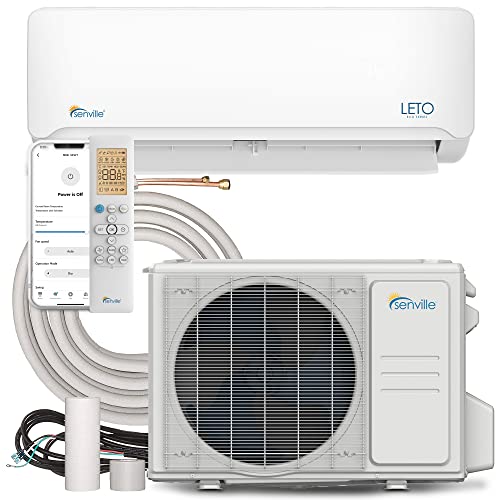
A ductless mini split is a split-system HVAC unit made of two main parts: an outdoor compressor/condenser and one or more indoor air handlers. Refrigerant lines and a power/communication cable connect the two, passing through a small wall opening. There is no ductwork — conditioned air is delivered directly from the indoor unit into the room.
The same system can cool in summer and heat in winter when equipped with a reversing valve, which is why the terms ductless mini split air conditioners and mini split heat pumps often describe the same hardware. The difference is primarily in how the system is configured and rated for heating performance.
Systems come in single-zone and multi-zone configurations. A single-zone unit serves one room or open area. A multi-zone system connects two to five or more indoor units to one outdoor unit, each with independent temperature control. This is the foundation of ductless heating and air conditioning systems used in whole-home retrofits and room additions.
Key Components
- Outdoor unit: Houses the compressor and condenser coil; moves heat between indoors and outdoors.
- Indoor air handler: Contains the evaporator coil, blower, and filters; distributes conditioned air into the room.
- Refrigerant line set: Insulated copper tubing that carries refrigerant between the two units.
- Condensate drain: Removes moisture collected during cooling.
- Controls: Remote, wall thermostat, or app-based control depending on the model.
How Ductless Mini Splits Cool and Heat
In cooling mode, the indoor coil absorbs heat from the room air and transfers it through refrigerant to the outdoor unit, which releases it outside. In heating mode, the reversing valve changes the refrigerant flow so the system absorbs heat from outdoor air and releases it indoors. This is the same operating principle described in the comparison of a heat pump vs air conditioner.
Most modern mini splits use inverter-driven compressors. Instead of cycling on and off at full power, the compressor modulates its speed to match the load. The result is steadier temperatures, quieter operation, and better humidity control in many installations. The difference between this and older technology is explained in the overview of inverter vs non-inverter systems.
Benefits of Ductless Mini Split Systems
- No ductwork required: Ideal for older homes, additions, and spaces where running ducts is impractical.
- Zone control: Each indoor unit can be set independently, so unused rooms do not need conditioning.
- Reduced duct losses: Central systems can lose a meaningful share of conditioned air through leaky or poorly insulated ducts.
- Heating and cooling in one system: A heat pump configuration handles both seasons.
- Quiet operation: Indoor units are typically much quieter than window or portable units.
- Flexible installation: Wall-mounted, floor-mounted, and ceiling cassette indoor units fit different room layouts.
For homes with no existing ducts, the economics often favor ductless over retrofitting a full duct system. The overview of ductless air conditioning for older homes explores this comparison in more detail.
Where Ductless Mini Splits Make the Most Sense
Mini splits are not the right answer for every home, but they excel in specific situations:
- Room additions and converted spaces: Garages, attics, basements, and sunrooms where extending ductwork is difficult.
- Older homes without ducts: A ductless system avoids the disruption of a full duct retrofit.
- Homes with hot or cold rooms: A single zone can solve a persistent comfort problem without rebalancing the entire system.
- Open-plan living areas: A well-placed wall unit can condition a large shared space efficiently.
- Multi-story homes: Separate zones on different floors address temperature stratification.
For larger homes with multiple zones, a system like a five-zone mini split can cover several rooms from a single outdoor unit. For whole-home planning, review the different types of air conditioning for homes to compare ductless against central and other options.
Sizing a Mini Split: Room-by-Room Guidance
Correct sizing matters more than many homeowners expect. An undersized unit runs continuously and struggles on hot days; an oversized unit cools quickly but may cycle too often and leave humidity high. The table below offers a starting point. A professional load calculation is always the final word.
| Room Size | Typical Capacity Range | Best For |
|---|---|---|
| Up to 350 sq ft | 9,000 – 12,000 BTU | Bedrooms, home offices, small studios |
| 350 – 550 sq ft | 12,000 – 18,000 BTU | Living rooms, master bedrooms, open kitchens |
| 550 – 800 sq ft | 18,000 – 24,000 BTU | Large living areas, open-plan spaces |
| 800 – 1,200 sq ft | 24,000 – 36,000 BTU | Multi-zone coverage, large additions |
Ceiling height, window area, insulation, sun exposure, and occupancy all shift the calculation. The guides on mini split for 500 square feet, 600 square feet, and 1,200 square feet provide more specific context for common room sizes.
Efficiency Ratings and What They Mean
Mini split efficiency is usually described by SEER2 for cooling and HSPF2 for heating. Higher ratings indicate more efficient operation, but the installed performance depends on the building envelope, line set length, and indoor unit placement. The ENERGY STAR HVAC overview explains how certification thresholds work, and the ENERGY STAR mini split heat pump page covers what certification means specifically for ductless systems.
Inverter compressors and variable-speed fans are standard in quality mini splits, and they are a major reason these systems can maintain comfortable humidity levels. When comparing models, look at both the cooling and heating ratings rather than focusing on a single number.
Market Tiers: Entry-Level, Mid-Range, and Premium
Ductless mini splits span a wide range of build quality and features. The tiers below describe relative market position, not specific numbers.
| Tier | Typical Characteristics | Best For |
|---|---|---|
| Entry-level | Basic single-zone systems; standard features; simpler controls | Single-room cooling where budget and simplicity matter most |
| Mid-range | Inverter compressor, better filtration, improved low-temperature heating | Most residential installations and primary living spaces |
| Premium | Higher efficiency ratings, quieter operation, advanced controls | Whole-home comfort and long-term energy performance |
| Top-tier | Cold-climate heating, multi-zone flexibility, smart integration | Homes relying on the heat pump as a primary heating source |
Mid-range models often offer the most balanced combination of efficiency, features, and reliability for typical homes. Premium and top-tier systems are worthwhile investments when the heat pump will carry a large share of the annual heating load or when quiet operation is a priority.
Installation: What to Expect
Installation quality has a large effect on performance. A typical single-zone installation involves mounting the indoor unit, positioning the outdoor unit, running the line set and drain, making electrical connections, evacuating the lines, and commissioning the system.
Key considerations include:
- Indoor unit placement: High on a wall, with clear airflow and a drain path that works with gravity.
- Outdoor unit placement: Shaded, well-ventilated, and protected from snow accumulation in cold climates.
- Line set length: Longer runs can reduce capacity; follow the manufacturer's limits.
- Electrical requirements: Most systems need a dedicated circuit; confirm the panel capacity before installation.
- Permits and inspections: Local rules vary, and a licensed installer should handle compliance.
For a deeper look at the process, the guides on installing a mini split and installing a mini split AC system walk through the sequence. Homeowners planning a multi-zone installation may also want to review the ductwork design guide for context on airflow and room-by-room load planning, even though mini splits themselves do not use ducts.
Maintenance That Keeps a Mini Split Efficient
- Clean or replace filters regularly. Clogged filters reduce airflow and can cause coil freezing.
- Keep the outdoor coil clear. Remove leaves, pollen, and debris from around the unit.
- Check the condensate drain. A blocked drain can cause water to back up indoors.
- Schedule professional service annually. A technician can check refrigerant charge, electrical connections, and coil condition.
- Inspect the line set insulation. Damaged insulation reduces efficiency, especially in heating mode.
If a system stops cooling or heating, the troubleshooting principles in the guides on fixing an air conditioner and house is not cooling from air conditioner apply to many mini split issues as well, though some checks are specific to ductless equipment.
Ductless vs Other Cooling Options
| System | Best For | Considerations |
|---|---|---|
| Ductless mini split | Room additions, older homes, zone comfort | Requires wall or ceiling space for indoor units |
| Central air | Whole-home cooling with existing ducts | Duct losses and installation complexity |
| Window AC | Single rooms with available windows | Noise, window obstruction, limited zone control |
| Portable AC | Temporary or rental situations | Lower efficiency, exhaust hose requirements |
For homes comparing ducted and ductless approaches, the heat pump cooling and heating split system guide and the mini split air conditioning and heating systems overview provide additional detail.
Common Mistakes to Avoid
- Choosing capacity by rule of thumb alone. Always verify with a room-by-room load calculation.
- Placing the indoor unit poorly. Airflow obstructions and bad drain routing cause comfort and water problems.
- Skipping the electrical check. A dedicated circuit and proper breaker sizing are not optional.
- Ignoring cold-climate ratings. If the heat pump will handle winter heating, check low-temperature performance.
- Delaying maintenance. Dirty filters and coils erode efficiency and shorten equipment life.
Planning tip: Decide early whether the system is for cooling only or for year-round heating. That choice affects the equipment tier, the electrical requirements, and the placement of the outdoor unit.
Frequently Asked Questions
What is a ductless mini split air conditioner and heat pump?
A ductless mini split is a system with an outdoor compressor unit connected by refrigerant lines to one or more indoor air handlers. It provides both cooling and heating without using ductwork, which makes it suitable for homes without ducts or for adding zone comfort to specific rooms.
Do ductless mini splits work in cold climates?
Yes, cold-climate mini split heat pumps are designed to provide heating at low outdoor temperatures. Performance varies by model, so check the rated heating capacity at the expected winter temperatures in your area before choosing a system.
How many indoor units can one outdoor unit support?
Multi-zone systems can connect two to five or more indoor air handlers to a single outdoor unit. Each zone can be controlled independently, which is useful for bedrooms, home offices, and living areas with different schedules.
Is a mini split more efficient than central air?
Mini splits avoid duct losses, which can be significant in central systems. They also use inverter compressors to match output to demand. In many homes, especially those without ducts, a mini split can deliver strong efficiency, though overall performance depends on the installation and the building envelope.
How long do mini split systems last?
With proper installation and maintenance, a quality mini split can last many years. Regular filter cleaning, annual professional service, and keeping the outdoor coil clear are the most important factors in equipment longevity.
Ready to Compare Ductless Options?
Use this guide to narrow down capacity, zone count, and tier. Then review the recommended systems below to find a configuration that matches your home and your climate.
Explore Ductless Mini Split Systems