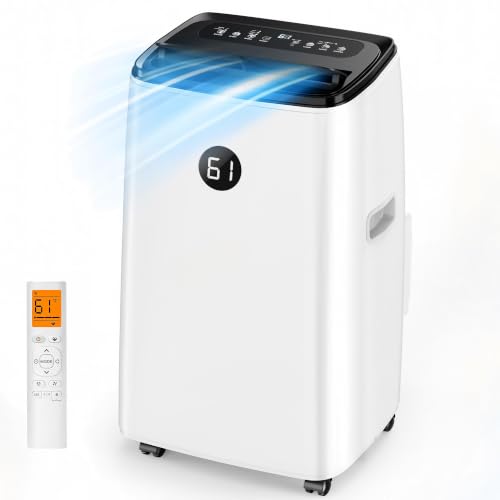
Do Portable Air Conditioners Need a Window?
Everything you need to know about venting requirements, window kits, and alternative installation options for portable AC units.
Learn the BasicsQuick Answer: Yes, nearly all portable air conditioners require a window or similar opening to exhaust hot air. Without proper venting, the unit cannot cool effectively and may actually heat up your room. However, there are alternative venting solutions if a standard window is not available.
Why Portable Air Conditioners Need Venting
A portable air conditioner works differently from a window unit or central system. It pulls in warm air from your room, cools it, and then blows the cooled air back into the space. But here is the catch: the heat removed from the air has to go somewhere.
That heat is expelled through an exhaust hose that must be vented outdoors. If the hose is not connected to a window or other outdoor opening, the hot air simply circulates back into the room. This creates a frustrating cycle where the unit runs constantly without actually lowering the temperature.
Understanding the difference between single-hose and dual-hose systems is also important. Single-hose units use indoor air to cool the condenser and then exhaust it outside, which can create negative pressure and pull warm air in through gaps. Dual-hose units draw outside air for cooling the condenser and exhaust it back out, making them more efficient for larger spaces.
Window Requirements and Window Kits
What Type of Window Works Best?
Most portable air conditioners come with a window kit designed for double-hung or sliding windows. These kits typically include an adjustable panel that fits into the window frame, with a circular opening for the exhaust hose.
The ideal window for a portable AC has these characteristics:
- Opening width: Generally between 20 and 50 inches, depending on the kit.
- Window type: Double-hung and horizontal sliding windows work best with standard kits.
- Accessibility: The window should be easy to open and close for installation.
For casement or crank-out windows, standard kits will not work. However, specialized solutions like a crank-out window kit for portable air conditioner are available and designed to seal around these unique window styles.
How to Install a Window Kit
Installation is straightforward and typically takes less than 15 minutes:
- Measure your window opening to ensure the kit panels will fit.
- Extend the adjustable panel to match the window width.
- Insert the exhaust hose connector into the panel opening.
- Place the panel in the window track and close the window snugly against it.
- Seal any remaining gaps with foam insulation or weather stripping included in the kit.
- Connect the exhaust hose to the unit and the panel.
What If You Do Not Have a Window?
Not every room has a suitable window. Basements, interior offices, and rooms with crank-out windows can present challenges. Fortunately, there are several workarounds:
1. Sliding Glass Doors
Sliding patio doors can accommodate a portable AC using a taller window kit or a specialized door kit. These kits are similar to window kits but designed for the height of a door opening.
2. Drop Ceilings
In some commercial or office settings, the exhaust hose can be routed through a drop ceiling into the plenum space above. This is not ideal for residential use and should be done with caution to avoid moisture buildup.
3. Wall Vents
Some homeowners install a permanent wall vent specifically for portable AC exhaust. This requires cutting a hole in an exterior wall and installing a louvered vent. It is a more permanent solution but offers excellent efficiency.
4. Crank-Out Windows
As mentioned earlier, casement windows require a specialized kit. A crank-out window portable air conditioner setup uses a fabric or rigid panel that seals around the open window and connects to the exhaust hose.
5. Ventless Models
There are a small number of "ventless" portable air conditioners on the market. These units use evaporative cooling or a water tank to dissipate heat. However, they are generally less effective at cooling larger spaces and work best in dry climates. They are not a direct substitute for a vented unit in humid conditions.
Venting Options Compared
| Venting Method | Best For | Efficiency | Installation Complexity |
|---|---|---|---|
| Standard Window Kit | Double-hung and sliding windows | High | Easy (DIY) |
| Crank-Out Window Kit | Casement and awning windows | High | Moderate (DIY) |
| Sliding Door Kit | Patio doors and large openings | High | Easy to Moderate |
| Wall Vent | Permanent installations | Very High | Professional recommended |
| Drop Ceiling | Commercial spaces | Moderate | Professional recommended |
| Ventless Unit | Small spaces, dry climates | Low to Moderate | None (plug and play) |
Single-Hose vs Dual-Hose Portable AC
The number of hoses on your portable air conditioner affects how it interacts with your room's air pressure. Understanding this can help you choose the right unit and set it up for maximum efficiency.
Single-hose units use air from inside the room to cool the condenser and then exhaust that hot air outside. This creates negative pressure in the room, which can pull hot air in from other parts of the house through gaps and cracks. They are generally more common and simpler to install.
Dual-hose units draw outside air in through one hose to cool the condenser, then exhaust it back out through the second hose. This maintains neutral air pressure in the room and is more efficient, especially in larger spaces or open-plan areas. If you are considering a dual-hose model, you can explore dual hose portable air conditioner options to find one that fits your needs.
Tips for Getting the Most from Your Portable AC
- Seal the window kit thoroughly: Use weather stripping or foam tape to close any gaps between the kit and the window frame.
- Keep the exhaust hose short and straight: A longer or kinked hose reduces airflow and efficiency.
- Insulate the exhaust hose: Hot air traveling through the hose can radiate heat back into the room. A hose cover helps prevent this.
- Place the unit away from walls: Ensure at least 12 to 18 inches of clearance around the unit for proper airflow.
- Close doors and windows: Cooling a single room is much more effective than trying to cool an open floor plan.
- Clean or replace filters regularly: A clogged filter restricts airflow and reduces cooling capacity.
- Drain the unit as needed: Most portable ACs collect condensation. Some evaporate it automatically, but others require manual draining.
Frequently Asked Questions
Do portable air conditioners need a window to work?
Yes, most portable air conditioners require a window or similar opening to exhaust hot air. Without proper venting, the unit cannot cool effectively and may overheat the room.
Can I use a portable air conditioner without a window?
It is possible but not ideal. You can vent through a sliding door, drop ceiling, or wall opening. Some ventless models exist but they are less efficient at cooling. For a full breakdown of options, see our guide on whether a window AC has to be in a window for related insights on alternative setups.
What is a window kit for a portable air conditioner?
A window kit is a panel that seals the gap between your window and the exhaust hose. It prevents hot outside air from entering and keeps cool air inside. Standard kits fit double-hung and sliding windows, while specialized kits are available for casement windows.
How do I install a portable AC window kit?
Extend the kit panel to fit your window opening, insert the exhaust hose connector, close the window onto the panel, and seal any gaps with the included foam or weather stripping. The process usually takes less than 15 minutes.
Can I vent a portable air conditioner through a crank-out window?
Yes, specialized crank-out window kits are available. These kits use a fabric or rigid panel that seals around the casement window opening and connect to the exhaust hose. This allows you to use a portable AC even with windows that open outward.
Will a portable AC work in a room with no windows at all?
Without any opening to the outdoors, a standard portable AC cannot vent properly. You would need to create a vent path through a wall, ceiling, or door. Ventless evaporative coolers are an option but are only effective in dry climates and small spaces.
Ready to Choose the Right Portable AC?
Now that you understand venting requirements, explore our curated selection of portable air conditioners suitable for various window setups.
View Recommendations