Electronic Heating Thermostat: Complete Buyer's Guide
Understand how digital thermostats work, compare low-voltage and line-voltage models, and choose the right tier for your home heating system with confidence.
Research-first approach: If you are already shopping for an electronic heating thermostat, this guide is built for you. It explains the technology, the differences between thermostat types, the features that matter, and the installation considerations — so you can decide with clarity before you buy.
What Is an Electronic Heating Thermostat?
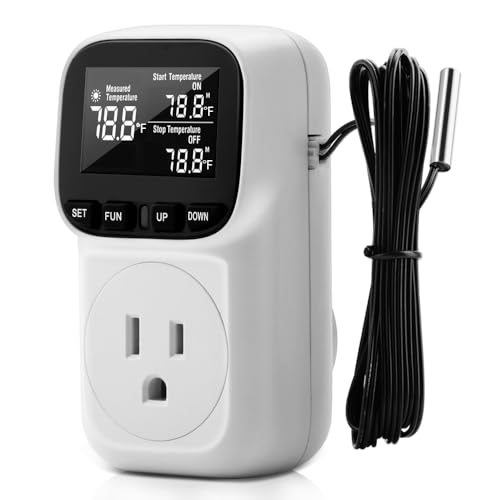
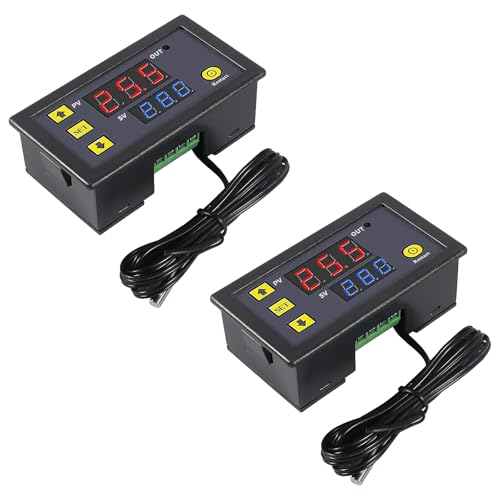
An electronic heating thermostat is a digital control device that measures ambient room temperature using electronic sensors and compares it to your setpoint. Instead of a mechanical bimetal strip, it uses a microcontroller to switch your heating system on and off with far greater precision.
The result is tighter temperature control, fewer swings between too hot and too cold, and access to scheduling, setback, and often app-based control. Electronic thermostats are now the standard in residential heating, whether you heat with a gas furnace, a heat pump, electric baseboard, or radiant flooring.
If your system is ductless, a dedicated ductless thermostat is typically the correct companion; for broader whole-home setups, understanding energy-efficient heating and air conditioning systems helps you choose a thermostat that matches your equipment.
How Electronic Thermostats Work
Every electronic thermostat follows the same core loop: sense, compare, and switch.
- Sensing: A thermistor or digital sensor reads room temperature continuously, often several times per second.
- Comparing: The microcontroller compares the reading to your setpoint and the configured swing (the allowed temperature deviation before switching).
- Switching: When heating is needed, the thermostat closes a relay or triac circuit that signals your furnace, boiler, or electric heater to run.
- Learning and scheduling: Many models add programmable schedules, adaptive recovery (learning how long your system takes to reach a setpoint), and occupancy detection.
Because the switching is electronic rather than mechanical, these thermostats avoid the drift and contact wear of older dial models, and they can display precise readings and diagnostics on a screen.
Types of Electronic Heating Thermostats
The single most important compatibility factor is voltage. Choosing the wrong type is the most common reason a thermostat does not work with a given heating system.
Low-Voltage Thermostats (24V)
These control central gas furnaces, heat pumps, and some boilers. They use thin control wires (typically R, W, Y, G, and C terminals) and are the most common type in North American homes. Most smart thermostats are low-voltage devices.
Line-Voltage Thermostats (120V / 240V)
These directly switch power to electric baseboard heaters, wall heaters, and some radiant floor systems. Because they handle mains voltage, they require different wiring and are usually installed by a licensed electrician. Line-voltage models are often used in older homes and in room-by-room electric heating setups.
Programmable vs. Non-Programmable
Programmable models let you set daily schedules with different temperatures for wake, away, home, and sleep periods. Non-programmable electronic models are simpler: precise control, no scheduling. For households with predictable routines, programmable models typically deliver better efficiency.
Smart Thermostats
Smart models add Wi-Fi connectivity, app control, geofencing, and sometimes integration with voice assistants and home automation platforms. They are the most feature-rich tier and suit users who want remote control and detailed energy reporting.
If you are weighing a thermostat upgrade alongside a broader equipment decision, our comparison of ductless vs ducted AC explains how control strategy differs between system types.
Thermostat Tier Comparison
The table below groups electronic heating thermostats by market tier rather than by numeric price, so the guidance stays useful regardless of region or time.
| Tier | Typical Features | Best For | Control Precision |
|---|---|---|---|
| Entry-level | Digital display, basic setpoint, simple on/off switching, manual mode | Single rooms, rental units, simple electric heaters | Good |
| Mid-range | 7-day programmable schedules, backlit display, adjustable swing, filter reminders | Family homes with predictable routines, central furnaces | Very good |
| Premium / smart | Wi-Fi app control, geofencing, adaptive recovery, energy reports, voice assistant support | Tech-forward households, multi-zone systems, remote monitoring | Excellent |
As a rule, mid-range models offer noticeably smoother scheduling and setup than entry-level units, while premium smart models add convenience and data rather than fundamentally different heating performance. For most homes, a well-configured mid-range or smart model is a solid choice for the tier.
Features That Matter When Choosing
- Compatibility first: Confirm voltage, terminal count, and equipment type (conventional, heat pump, multi-stage) before anything else.
- Adjustable temperature swing: A configurable swing lets you balance comfort against short-cycling; wider swing means fewer cycles.
- Scheduling and setback: Programmable or smart schedules reduce unnecessary heating during away and sleep periods.
- Adaptive recovery: The thermostat learns how long your system takes to reach a setpoint and starts early, so the house is warm when you expect it.
- C-wire support: Many smart thermostats need a common wire for stable power; check whether your wiring includes one or whether a power adapter kit is provided.
- Display and usability: Backlit, readable displays and clear menus matter more than most buyers expect, especially in dim hallways.
- Firmware and app quality: For smart models, the app experience and update cadence are part of the long-term value.
If you are also evaluating the heating equipment itself, our guide to electric heating and air conditioning systems covers how thermostats integrate with electric furnaces and heat pumps, and energy-saving tips explains how scheduling and setbacks translate into lower consumption.
Wiring and Installation Basics
Installation difficulty depends almost entirely on the thermostat type.
Low-Voltage Replacement (Usually DIY-Friendly)
Replacing a low-voltage thermostat is typically a straightforward task: switch off power at the breaker, photograph and label the existing wires, remove the old unit, and connect the new one to matching terminals. Follow the manufacturer's wiring diagram exactly, and do not let wires touch each other while the power is on.
Line-Voltage Installation (Professional Recommended)
Line-voltage thermostats switch mains power and carry a genuine shock hazard. If you are not experienced with electrical work, hire a licensed electrician. This is especially important in older homes where wiring colors may not follow modern conventions.
Before You Start
- Identify your system type and voltage from the existing thermostat or furnace label.
- Check whether a C-wire is present if you plan to install a smart model.
- Verify the new thermostat supports your equipment stages (single-stage, multi-stage, heat pump with auxiliary heat).
- Keep the old thermostat's manual or photograph its wiring for reference.
For ductless systems, installation details differ; see our guide to ductless mini-split AC installation for how controls integrate with those systems.
Safety note: Always switch off the relevant circuit breaker before working on thermostat wiring. If you are unsure about voltage, wire identification, or code requirements, stop and consult a licensed HVAC technician or electrician. Correct installation protects both your equipment and your household.
Common Mistakes to Avoid
- Buying before checking voltage: A line-voltage thermostat will not work on a low-voltage furnace, and vice versa.
- Ignoring the C-wire requirement: Smart thermostats without a C-wire may need an adapter or may not function reliably.
- Setting an overly aggressive schedule: Large setbacks can cause the system to run longer recovery cycles than expected, reducing the intended benefit.
- Placing the thermostat poorly: Direct sunlight, drafts, lamps, and supply registers all skew readings. Mount on an interior wall, roughly five feet above the floor.
- Skipping the manual: Swing, cycle rate, and equipment-type settings in the installer menu materially affect comfort and efficiency.
Which Tier Fits Your Situation?
Entry-level suits single-room electric heaters, garages, and rentals where simplicity and reliability are the priority.
Mid-range is the balanced tier for most family homes: programmable schedules, reliable electronic control, and straightforward installation without app dependency.
Premium / smart is the top-tier choice for households that want remote control, geofencing, detailed usage data, and integration with broader home automation. If you already run a ductless mini-split heat pump or a multi-zone setup, a smart thermostat often fits naturally into the system.
Whichever tier you choose, verify compatibility first, plan the installation carefully, and configure swing and schedules deliberately. A well-matched thermostat is a worthwhile investment that improves comfort and supports efficient operation in the long run.
Frequently Asked Questions
What is an electronic heating thermostat?
It is a digital device that measures room temperature with electronic sensors and controls your heating system through a microcontroller and relay, offering more precise control and scheduling than mechanical thermostats.
Do electronic heating thermostats work with any heating system?
No. You must match the thermostat to your system's voltage and equipment type. Low-voltage models suit central furnaces and heat pumps; line-voltage models suit electric baseboard and radiant heating.
Can I install an electronic heating thermostat myself?
Low-voltage replacements are often DIY-friendly with proper precautions. Line-voltage installations involve mains power and should generally be handled by a licensed electrician.
Do electronic thermostats really reduce energy use?
Yes, when configured well. Scheduling, setbacks, and precise control reduce unnecessary heating. Actual savings depend on your routines, insulation, and heating equipment.
Ready to Compare Models?
Review the recommended electronic heating thermostats below, then check availability and confirm compatibility with your system before you decide.