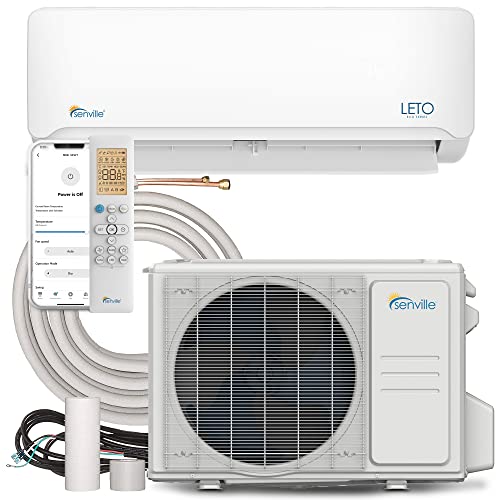
Ductless Mini Split Heat Pump Installation Cost
Everything you need to know about the factors that shape installation pricing, tier comparisons, and how to plan your ductless mini split heat pump project with confidence.
Explore the GuideIf you are researching a ductless mini split heat pump, you have likely already decided that a ductless system fits your home. Ductless mini splits deliver efficient heating and cooling without the need for extensive ductwork, which makes them an attractive option for older homes, room additions, and spaces where traditional central air is impractical. You may have also read about ductless mini split heat pump installation cost and want to understand what really drives that figure.
This guide breaks down the installation cost landscape without quoting arbitrary figures. Instead, we explain the variables that professionals use to prepare a quote, compare system tiers side by side, and give you the knowledge you need before you commit. When you finish reading, you will understand exactly which questions to ask an installer and how to judge whether a quote is reasonable for your situation.
Quick orientation: A ductless mini split heat pump installation cost is rarely a single number. It is the sum of equipment tier, the number of zones, line-set runs, electrical work, labor rates in your region, and any site-specific preparation. Understanding each component helps you compare quotes fairly.
What Drives Ductless Mini Split Heat Pump Installation Cost
Installers build their estimates from several overlapping categories. No two homes are identical, so the same system can land in different positions on the pricing spectrum depending on the site. Below are the primary factors that influence the final quote.
1. Equipment Tier and System Capacity
Mini split heat pumps fall into recognizable market tiers: entry-level, mid-range, premium, and luxury. Entry-level systems cover basic single-zone needs, while mid-range units add better efficiency ratings, quieter operation, and improved cold-climate performance. Premium and luxury tiers bring variable-speed inverters, advanced filtration, smart-home integration, and extended warranties. Moving up a tier raises the equipment portion of your quote, but it also tends to improve long-term efficiency.
Capacity matters too. A single-zone system for a bedroom is on a different tier from a multi-zone system serving three or four rooms. Multi-zone systems require a larger outdoor condenser and more indoor heads, which multiplies both equipment and labor.
2. Number of Zones
Each indoor air handler represents a zone. A one-zone installation is the simplest configuration. Two-zone, three-zone, and four-zone systems increase the complexity of the refrigerant line routing, the electrical load, and the time required on site. If you are planning a whole-home approach, a five-zone mini split can replace a traditional central system but requires careful design.
3. Line-Set Length and Routing
The line set connects the outdoor condenser to each indoor unit. Longer runs require more copper tubing, additional refrigerant, and sometimes a condensate pump to move water away from the indoor head. Difficult routing through finished walls, attics, or crawl spaces adds labor hours. Installers factor in the length and complexity of each run when building the quote.
4. Electrical Work
Ductless mini splits need a dedicated circuit. If your electrical panel has available capacity and the run to the outdoor unit is short, the electrical portion is straightforward. If the panel is full, or the unit is far from the panel, an electrician may need to add a subpanel or run new conduit. This is one of the most variable line items in any ductless mini split AC installation cost estimate.
5. Labor Rates and Regional Differences
Labor rates vary significantly by region, season, and contractor availability. Urban areas with high demand tend to carry higher labor rates than rural areas. Summer and early fall are peak seasons for cooling installations, which can affect scheduling and labor availability. Comparing quotes from multiple licensed contractors in your area is the best way to calibrate expectations.
6. Site Preparation and Permits
Some installations require a permit, especially when new electrical circuits are added or when the outdoor unit needs a pad or wall bracket. Permit requirements differ by municipality. Site preparation such as mounting the outdoor unit on a wall bracket, pouring a pad, or reinforcing a roof mount also contributes to the overall figure.
7. Removal and Disposal of Old Equipment
If you are replacing an existing system, the installer may charge for removal and proper disposal. Refrigerant recovery is a regulated process and should always be handled by a certified technician. Ask whether removal is included in the quote or billed separately.
Tier Comparison: What Each Level Offers
Because equipment tier is one of the largest contributors to the overall figure, it helps to understand what each tier delivers. The table below uses universal quality descriptors rather than numbers so it stays relevant regardless of market conditions.
| Tier | Typical Characteristics | Best For |
|---|---|---|
| Entry-level | Single-zone, fixed-speed or basic inverter, standard efficiency, simpler controls | Single room, seasonal use, straightforward retrofit |
| Mid-range | Multi-zone capability, improved efficiency, quieter indoor units, better cold-climate performance | Whole-home comfort, year-round heating and cooling |
| Premium | High-efficiency inverter, advanced filtration, smart thermostat integration, extended warranty | Energy-conscious homeowners, larger homes, harsh climates |
| Luxury | Flagship inverter technology, ultra-quiet operation, premium finishes, full smart-home ecosystem | Custom builds, high-end renovations, maximum comfort |
As a general rule, a mid-range system tends to offer the most balanced combination of efficiency, durability, and features for most homeowners. Moving from entry-level to mid-range typically delivers a noticeable improvement in seasonal performance and noise levels, while the jump from premium to luxury is usually about refinement rather than raw capability.
Single-Zone vs Multi-Zone: How Configuration Shapes the Figure
A single-zone system is the most straightforward configuration and the easiest to estimate. One outdoor condenser connects to one indoor head. Labor is limited to a single line-set run, one electrical connection, and one mounting location.
A multi-zone system multiplies each of those steps. Each additional indoor head requires its own line set, its own condensate management, and its own electrical connection to the outdoor condenser. The outdoor unit itself is larger and more complex. For a typical three-bedroom home, a multi-zone system is often the better long-term choice, but the installation figure scales accordingly.
If you are comparing a ductless system to a traditional central system, it helps to look at cost to install air conditioning system side by side. Ductless systems often avoid the expense of ductwork, but multi-zone configurations can approach central-system figures in larger homes.
What a Professional Installation Should Include
A well-prepared quote from a licensed contractor should clearly list what is included. Use the following checklist when reviewing estimates.
- Outdoor condenser placement and mounting (wall bracket, pad, or roof mount)
- Indoor air handler mounting and positioning
- Line-set routing, insulation, and refrigerant charge
- Condensate drain routing and pump if needed
- Dedicated electrical circuit and disconnect
- Permit acquisition where required
- System vacuuming and leak testing
- Commissioning, calibration, and homeowner walkthrough
- Removal and disposal of old equipment if applicable
- Warranty registration and documentation
If any of these items are missing from a quote, ask whether they are included or billed separately. A quote that looks lower on paper may omit important steps that a proper installation requires.
Ways to Manage the Overall Investment
While we do not quote figures, there are legitimate strategies to keep the project within a reasonable range for your situation. These strategies focus on scope and timing rather than compromising quality.
Stage the Installation
If you need multiple zones, consider installing the most critical zones first and adding others later. A multi-zone outdoor unit can often be sized to accommodate future indoor heads, allowing you to spread the project across seasons.
Choose the Right Tier for Each Zone
Not every room needs a flagship-tier indoor unit. A mid-range head in a guest bedroom and a premium head in the primary living space can be a sensible combination that balances comfort and investment.
Bundle with Other Efficiency Upgrades
If you are already planning insulation upgrades, air sealing, or a panel upgrade, coordinating those projects with the mini split installation can reduce duplication of labor. Ask your contractor whether bundling makes sense for your home.
Ask About Available Incentives
Many regions offer rebates or tax incentives for high-efficiency heat pump installations. These programs change over time, so ask your contractor or check local energy authority resources for current opportunities. An ENERGY STAR mini split heat pump may qualify for additional incentives.
Compare Multiple Quotes
The single most effective way to understand the range for your specific project is to request at least three detailed quotes from licensed contractors. Compare not only the total but also the line-item scope, equipment tiers, and warranty terms.
Common Mistakes to Avoid
- Choosing a system that is oversized or undersized. Proper load calculation matters. An oversized system short-cycles and dehumidifies poorly; an undersized system struggles during peak demand.
- Skipping the permit. Unpermitted work can complicate insurance claims and resale.
- Ignoring the electrical panel. Confirm capacity before committing to a system tier that requires more power than your panel can supply.
- Accepting a verbal quote. Always request a written, itemized estimate.
- Overlooking maintenance requirements. Plan for filter cleaning and periodic professional service to protect your investment.
How Ductless Compares to Other Cooling and Heating Options
Ductless mini split heat pumps are one option among several. Understanding how they compare helps you decide whether the investment aligns with your goals.
Compared with window units, ductless systems are quieter, more efficient, and better suited to year-round use. Window units require a window opening and offer limited heating capability. Compared with central air, ductless systems avoid ductwork but may require multiple indoor heads for whole-home coverage. If your home already has ductwork, a cost to install AC with existing ductwork comparison can help you weigh the trade-offs.
For homes without ducts, ductless is often the most practical path. If you are also considering a broader HVAC overhaul, reviewing cost to install HVAC system with ductwork alongside ductless options gives you a fuller picture.
For older homes specifically, a ductless air conditioning for older homes approach avoids the disruption and expense of retrofitting ductwork. For additions or converted spaces, a floor mounted mini split can be a practical alternative when wall space is limited.
Frequently Asked Questions
Is a ductless mini split heat pump worth the investment?
For many homeowners, yes. Ductless systems deliver efficient heating and cooling without ductwork, and modern inverter-driven models perform well in cold climates. The investment is most worthwhile when the system is properly sized, professionally installed, and matched to your home's layout.
How long does installation take?
A single-zone installation is typically completed in a day. Multi-zone systems may take two to three days depending on the number of zones, line-set complexity, and electrical work required.
Can I install a ductless mini split myself?
While some homeowners attempt DIY installations, refrigerant handling is regulated and requires certification. Improper installation can void warranties, reduce efficiency, and create safety hazards. Professional installation is strongly recommended. For context, a DIY mini split installation overview explains the scope of work involved.
Do I need a permit?
Permit requirements vary by municipality. Many jurisdictions require a permit when new electrical circuits are added or when the outdoor unit is permanently mounted. Ask your contractor to clarify local requirements before work begins.
What maintenance does a ductless mini split need?
Regular filter cleaning is the most important routine task. Professional service once a year is recommended to check refrigerant levels, clean coils, and verify electrical connections. If you want to understand what a tune-up involves, see cost of HVAC tune-up for a general overview.
How does a mini split heat pump compare to a central heat pump?
Central heat pumps rely on ductwork and can condition an entire home from a single indoor unit. Ductless systems use individual indoor heads and avoid duct losses, but may require multiple heads for whole-home coverage. The right choice depends on your home's layout, existing infrastructure, and comfort priorities.
Are there incentives for installing a high-efficiency mini split?
Many regions offer rebates or tax incentives for qualifying high-efficiency heat pumps. Programs change frequently, so check with your local energy authority or ask your contractor about current opportunities.
How do I choose the right size for my home?
Proper sizing requires a load calculation that considers square footage, insulation, window area, climate, and occupancy. A qualified contractor will perform this calculation rather than relying on a simple rule of thumb. For a general overview, see how to size an air conditioner.
Ready to Compare Ductless Mini Split Heat Pumps?
Browse recommended systems and check availability through our curated product selections.
View Recommended Systems