Energy Star Air Conditioner Units: What Buyers Need to Know
Certified cooling systems can use significantly less electricity than standard models. This guide explains how Energy Star certification works, which AC types qualify, and how to choose a high-efficiency unit that fits your home and climate.
Why Energy Star Certification Matters
An Energy Star air conditioner unit is a cooling system that has been independently verified to meet strict efficiency thresholds set by the US Environmental Protection Agency and the Department of Energy. These thresholds sit above the minimum federal standards, which means a certified unit delivers the same cooling comfort while drawing less power from the grid.
For homeowners, the appeal is straightforward: a more efficient compressor, better heat exchangers, and smarter controls translate into lower electricity consumption over the life of the system. Because air conditioning is often the single largest summer electricity load in a home, choosing a certified model is one of the most practical upgrades you can make. You can explore the broader landscape of high-efficiency options through our energy-efficient AC resource, which explains how efficiency ratings interact with real-world performance.
It is important to understand that certification is not a marketing label applied loosely. Every certified model is listed in a public database, tested under standardized conditions, and required to meet category-specific benchmarks. That transparency is what makes the program useful for comparison shopping.
How Energy Star Certification Is Determined
The certification process differs slightly by product category, but the core logic is consistent. A manufacturer submits a model for testing, and the measured efficiency must exceed the federal minimum by a defined margin. For central air conditioners, the key metric is SEER2, the updated seasonal efficiency rating that replaced the older SEER measurement in 2023.
Beyond the headline rating, certified units must also satisfy requirements for standby power consumption and, in some categories, refrigerant handling. This is where regulations such as the EPA refrigerant regulations come into play, because the refrigerant used in a system affects both its environmental footprint and its long-term serviceability.
When you shop, look for the blue Energy Star label on the unit or in the product listing, and cross-check the model number against the official certified product database. This step takes a minute and protects you from sellers who use the term loosely.
Which AC Types Qualify for Energy Star?
The program covers nearly every cooling category sold to residential customers. The table below summarizes how each type is typically classified and what buyers should focus on.
| AC Type | Typical Market Tier | Best For | Key Efficiency Focus |
|---|---|---|---|
| Central air conditioner | Mid-range to premium | Whole-home cooling with existing ductwork | SEER2 and EER2 ratings |
| Ductless mini-split | Mid-tier to high-end tier | Homes without ducts, room-by-room zoning | SEER2 and HSPF2 for heat pump models |
| Window air conditioner | Entry-level to mid-range | Single rooms, apartments, renters | CEER rating |
| Portable air conditioner | Entry-level to balanced tier | Temporary or flexible cooling | CEER and dual-hose design |
| Through-the-wall unit | Mid-range | Replacing existing wall sleeves in condos | CEER rating |
Each category has its own nuance. A certified Energy Star central air conditioner is evaluated on seasonal efficiency across a range of outdoor temperatures, while a window unit is judged on a steady-state metric. Comparing across categories is misleading, so always compare models within the same type.
Central Systems
Central units are the highest-capacity option and therefore the category where efficiency gains matter most. A certified central system paired with a properly sealed duct network can deliver consistent comfort across the entire home. If your ductwork is aging, the efficiency of the outdoor unit can be undermined by leakage, so duct inspection should be part of the decision. Our guide on energy-efficient central air conditioners goes deeper into matching a condenser to existing ductwork and indoor coils.
Ductless Mini-Splits
Mini-splits are especially attractive for homes without ductwork, additions, and room-specific comfort needs. Certified models in this category often combine cooling and heating in a single unit, which makes them a year-round investment. The Energy Star mini split air conditioner overview explains how multi-zone systems distribute capacity and why inverter compressors are central to their efficiency.
Window and Portable Units
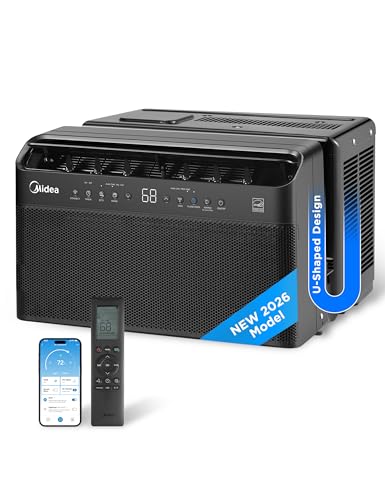
For single rooms, certified window and portable models are the most accessible entry point into high-efficiency cooling. The Energy Star window air conditioner guide covers sizing, installation fit, and the CEER metric in detail. Portable units have improved considerably, and a certified energy-efficient portable air conditioner now rivals many window models when properly vented.
Understanding the Efficiency Metrics Behind the Label
The Energy Star label is the headline, but the underlying numbers tell you how a unit will behave in your home. Three ratings matter most:
SEER2
SEER2 measures seasonal cooling efficiency using a testing procedure updated in 2023 to better reflect real-world duct static pressure and operating conditions. Higher is better. Certified central systems and mini-splits carry a SEER2 rating that exceeds the federal minimum by a meaningful margin. Our explainer on the energy efficiency of an air conditioner walks through how SEER2 is calculated and why the shift from SEER matters.
EER2
EER2 measures efficiency at a single high-temperature design condition. It is a useful complement to SEER2 because it indicates how well a unit performs on the hottest days, when demand peaks. A strong EER2 rating is particularly valuable in hot, dry climates.
CEER
Room air conditioners, including window and portable models, use CEER, a combined efficiency metric that accounts for standby power and cycling losses. For small units, CEER is the most reliable comparison point. The highest SEER rating window air conditioner discussion is helpful for understanding how room units are ranked.
Quick tip: A higher rating is not automatically the right choice. Oversizing a high-efficiency unit can reduce comfort and humidity control. Match capacity to your calculated load first, then optimize efficiency within that capacity band. Our how to size an air conditioner guide explains the load calculation process.
The Practical Benefits of a Certified Unit
Efficiency is the headline benefit, but certified systems tend to offer several secondary advantages that improve the ownership experience.
- Lower electricity consumption: The compressor and fan motors are engineered to deliver more cooling per unit of electricity, which shows up on summer utility statements.
- Better humidity control: Many certified models use variable-speed or two-stage compressors that run longer at lower output, removing moisture more consistently.
- Quieter operation: Improved fan designs and insulated compressor blankets are common in high-efficiency units.
- Fewer cycling losses: Advanced controls reduce the start-stop behavior that wastes energy and stresses components.
- Access to incentives: Many utilities and state programs offer rebates for certified equipment, and federal tax credits may apply. Check the Energy Star HVAC systems overview for program details.
These benefits compound over time. A certified unit that runs quieter and controls humidity better is also a unit you are more likely to maintain properly, which extends its service life.
How to Choose the Right Certified Unit for Your Home
Selecting a certified air conditioner is a sequence of decisions, not a single purchase. Work through these steps in order:
1. Calculate the cooling load
Capacity comes first. An undersized unit will struggle on peak days, and an oversized unit will short-cycle, leaving the home clammy and wasting energy. A room-by-room load calculation accounts for window area, insulation, ceiling height, and local climate. The sizing guide provides a practical method for estimating capacity before you compare models.
2. Choose the system type
If your home already has ductwork in good condition, a central system is usually the most seamless choice. If ducts are absent or poorly laid out, a ductless mini-split avoids the expense and disruption of new ductwork. For a single room, a certified window or portable unit is the simplest path. Our overview of the different types of central air conditioning systems helps clarify which configuration suits a given house layout.
3. Set an efficiency target within your tier
Within each product category, certified models span from entry-level certified to top-tier certified. A mid-range certified unit usually offers the best balance of efficiency, features, and long-term reliability for most households. Premium tiers add variable-speed operation, zoning compatibility, and smarter controls. The high-efficiency HVAC guide explains how those features translate into comfort.
4. Verify installation quality
Efficiency ratings assume correct installation. Refrigerant charge, airflow, and duct sealing all affect real performance. A certified unit installed poorly will underperform a standard unit installed well. Before hiring, review our guidance on how to choose an HVAC contractor and confirm licensing and insurance. The how to avoid AC scams article covers red flags to watch for during the quoting process.
5. Plan for maintenance
Certified equipment stays efficient only when filters are clean and coils are serviced. A simple seasonal routine protects your investment. If you are handy, the DIY HVAC duct cleaning guidance is a useful starting point, though refrigerant work should always be handled by a licensed technician.
Common Mistakes When Buying a Certified AC
Even informed buyers can stumble on a few predictable pitfalls. Avoiding these will save you from disappointment after installation.
- Buying on the label alone: A certified unit that is the wrong size for the room will not deliver the expected comfort. Capacity and efficiency must be evaluated together.
- Ignoring the indoor coil and air handler: For central systems, the outdoor condenser and indoor coil must be matched. A high-efficiency condenser paired with an older mismatched coil will not reach its rated performance.
- Skipping duct inspection: Leaky ducts can erase a large share of the efficiency advantage. Ask for a duct leakage assessment before committing.
- Overlooking the electrical panel: High-efficiency systems sometimes require dedicated circuits. Confirm your panel capacity early so the installation does not stall.
- Forgetting about permits: Most jurisdictions require a permit for AC replacement. The do I need a permit for AC article explains when and why.
Keeping a Certified Unit Efficient Over Time
An Energy Star unit is engineered for efficiency, but that efficiency is not permanent without care. Three habits make the biggest difference:
- Replace or clean filters on schedule. A clogged filter restricts airflow, forcing the blower to work harder and reducing cooling capacity. Check monthly during peak season.
- Schedule professional service before summer. A technician will verify refrigerant charge, clean coils, and check electrical connections. Small issues caught early prevent larger failures.
- Seal and insulate ducts. Duct leakage in unconditioned spaces is one of the most common efficiency losses in central systems. Sealing joints and insulating runs in attics or crawlspaces pays back quickly.
If you notice the system running longer than usual, producing weak airflow, or failing to reach the set temperature, address it promptly. Our guide on a home AC fan working but no cold air covers the most common diagnostic steps before you call a technician.
Final Thoughts
Energy Star air conditioner units are a practical way to reduce cooling electricity use without sacrificing comfort, provided they are correctly sized, professionally installed, and maintained. Start with a load calculation, choose the system type that fits your home's duct situation, then select a certified model within a tier that matches your feature priorities. Verify the certification on the official product database, confirm the installer's credentials, and plan a simple maintenance routine. Done in that order, a certified unit becomes a long-term investment in comfort and efficiency rather than just a label on a box.
Frequently Asked Questions
What makes an air conditioner Energy Star certified?
A model earns certification when independent testing shows it exceeds the federal minimum efficiency standard by a defined margin for its category. For central systems, the primary metric is SEER2; for room units, it is CEER. Certified models are listed in a public database that buyers can check before purchasing.
Does an Energy Star AC unit really reduce electricity use?
Yes. Certified units use more efficient compressors, improved coils, and advanced controls to deliver the same cooling with less electricity. The actual reduction depends on climate, insulation, duct condition, and operating habits, but the direction of the effect is consistent.
Are Energy Star mini-split and window units also covered?
Yes. The program covers central air conditioners, ductless mini-splits, window units, portable units, and through-the-wall models. Each category has its own thresholds, so verify the certification label on the specific model number rather than assuming a brand-wide status.
Should I replace a working AC with a certified unit?
Not automatically. If your current system is aging, requires repeated repairs, or uses an older refrigerant, replacement with a certified unit may make sense. If it is relatively new and functioning well, routine maintenance is usually the better first step. A qualified technician can help you weigh the options.