Floor Standing Mini Split Air Conditioner: Complete Guide
Learn everything about floor-mounted ductless systems, from how they operate and where they fit best, to installation considerations and long-term efficiency. This guide helps you decide if a floor standing mini split is the right cooling solution for your space.
START LEARNINGAC Units Guide Philosophy: Well-informed buyers make confident decisions. Understand the technology, evaluate your room layout, and choose a system that matches your comfort needs and long-term goals.
What Is a Floor Standing Mini Split Air Conditioner?
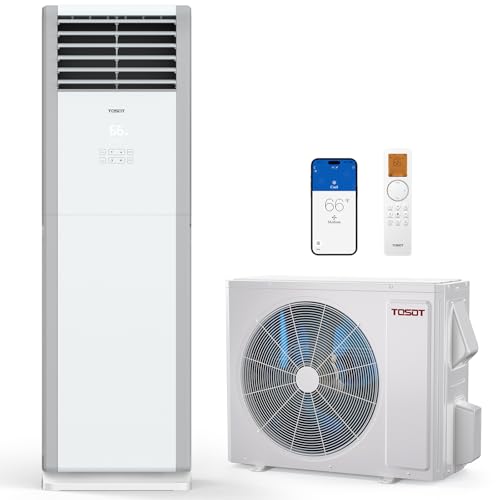
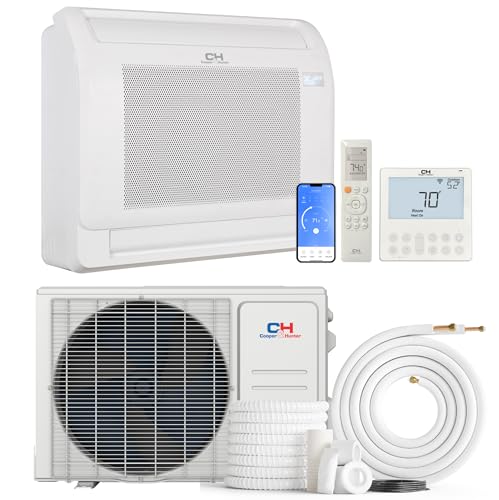
A floor standing mini split air conditioner is a ductless system where the indoor air-handling unit is designed to sit on or near the floor rather than being mounted high on a wall. It connects to an outdoor compressor unit through refrigerant lines, just like a conventional mini split. The low-profile indoor unit often resembles a slim console or a small cabinet, and it can be installed flush against a wall or recessed into a shallow cavity.
Unlike standard ductless mini splits that mount high on the wall, floor standing models distribute air from a lower position. This can be advantageous in rooms with high ceilings, limited upper-wall space, or architectural features such as sloped ceilings and large windows. The design also makes filter access and maintenance more convenient for many homeowners.
How Floor Mounted Mini Splits Work
These systems operate on the same refrigeration cycle as other ductless units. The indoor coil absorbs heat and moisture from the room, while the outdoor unit releases heat to the outside. A variable-speed inverter compressor — common in modern units — adjusts output to match the load, which helps maintain stable temperatures and reduces energy waste compared with single-speed systems. Many models also offer heat pump operation, providing both cooling and heating from the same equipment.
Because the indoor unit sits low, airflow is often directed upward or outward at a shallow angle. This can create a more even temperature distribution in rooms where ceiling-mounted units would otherwise leave stratified warm air near the floor. Well-designed floor consoles include adjustable louvers and multiple fan speeds to direct air where it is needed most.
Key Advantages of Floor Standing Mini Splits
- Discreet placement: The low-profile unit can blend into a room’s design, often functioning as a small console or cabinet.
- Ideal for challenging wall spaces: Perfect for rooms with high ceilings, sloped walls, or limited upper-wall area.
- Efficient heating performance: Warm air rises naturally from a low unit, improving comfort in heating mode.
- Easy maintenance: Filters and components are typically accessible without a ladder.
- Zoned comfort: Like all mini splits, they cool only the rooms where they are installed, avoiding duct losses.
- Quiet operation: Many models run at low sound levels, suitable for bedrooms and living areas.
For homeowners comparing options, a floor mounted mini split can be a practical alternative to ceiling cassette units when ceiling space is unavailable or when a more furniture-like appearance is desired.
Where Floor Standing Units Fit Best
These systems are particularly well suited to:
- Living rooms and family rooms: The console style can sit against a wall without dominating the space.
- Bedrooms: Low airflow and quiet operation support restful sleep.
- Home offices: Zoned cooling keeps workspaces comfortable without conditioning the entire house.
- Rooms with high or sloped ceilings: Where wall-mounted units would be difficult to reach or visually intrusive.
- Additions and sunrooms: Often easier to retrofit than extending ductwork.
They may be less ideal in very small rooms where floor space is at a premium, or in areas prone to flooding. In such cases, a wall-mounted mini split or portable air conditioner might be more appropriate.
Sizing and Capacity Considerations
Correct sizing is critical for comfort and efficiency. A floor standing mini split that is too small will struggle on hot days, while an oversized unit may short-cycle, leading to uneven temperatures and higher humidity. Capacity is measured in BTU (British Thermal Units). As a general starting point, many homes require roughly 20 BTU per square foot of living space, but this varies with insulation, window area, ceiling height, and climate.
For a more precise estimate, use a room-size BTU calculator or consult a qualified HVAC contractor who can perform a load calculation. Keep in mind that floor standing units are available in a range of capacities, from small single-zone systems to larger models suitable for open-plan areas. If you are cooling multiple rooms, a multi-zone mini split may be worth exploring.
Installation and Electrical Requirements
Installing a floor standing mini split involves mounting the indoor unit, positioning the outdoor condenser, running refrigerant lines, and making electrical connections. While some homeowners consider DIY mini split installation, refrigerant handling typically requires licensed professionals in many jurisdictions. Proper vacuuming, leak testing, and charge adjustment are essential for reliable performance and warranty compliance.
Electrical requirements vary by model. Many systems run on 208/230V power and require a dedicated circuit. Before purchasing, check your electrical panel capacity and consult a licensed electrician if needed. For a broader overview of what installation entails, see our guide on the cost of installing a mini split air conditioner.
Efficiency and Long-Term Operation
Modern floor standing mini splits often feature inverter compressors and high SEER ratings, making them efficient in the long run compared with older single-speed systems. Look for ENERGY STAR certified models if efficiency is a priority. Proper maintenance — cleaning filters, keeping coils free of debris, and scheduling professional tune-ups — helps preserve performance and extend the system’s lifespan.
Because these systems have no ducts, they avoid the energy losses associated with leaky ductwork. That can be a significant advantage in older homes without existing ducts. However, like all HVAC equipment, performance depends on correct sizing and installation quality.
Floor Standing vs Other Mini Split Styles
Choosing between a floor standing unit and other indoor unit styles often comes down to room layout and aesthetic preference. Wall-mounted units are the most common and typically the most economical within their class, but they require suitable wall space and can be less convenient to service. Ceiling cassettes distribute air in multiple directions and are nearly invisible, but they require a drop ceiling or soffit. Floor consoles offer a middle ground: they free up wall space, provide easy access, and can integrate with furniture-like cabinetry.
If you are comparing ductless options more broadly, our ducted vs ductless guide explains the trade-offs in comfort, installation, and efficiency.
Maintenance Tips for Floor Standing Units
- Clean or replace filters regularly: Follow the manufacturer’s schedule, typically every few weeks during heavy use.
- Keep the intake and discharge clear: Avoid blocking the unit with furniture or curtains.
- Inspect the outdoor unit: Remove leaves and debris; ensure adequate airflow around the condenser.
- Schedule annual professional service: A technician can check refrigerant levels, electrical connections, and coil cleanliness.
- Monitor for unusual noises or reduced cooling: Address issues early to prevent larger problems.
Is a Floor Standing Mini Split Right for You?
If you have a room where wall or ceiling mounting is impractical, want a discreet console-style indoor unit, and value zoned comfort with efficient heat pump operation, a floor standing mini split may be an excellent fit. For single-room cooling in tight spaces, a high-efficiency mini split could also be a strong contender. For homes where ductwork already exists, a central system may still be the most practical whole-house solution — but for targeted comfort, ductless floor consoles are a versatile option.
Before making a final decision, review your room dimensions, insulation, window area, and local climate. The more closely the system matches your specific conditions, the better the comfort and efficiency you can expect over time.
Frequently Asked Questions
Can a floor standing mini split heat as well as cool?
Many floor standing models are heat pumps, meaning they can provide both cooling and heating. Heating performance varies with outdoor temperature; some models are rated for colder climates. Check the specifications for the operating range in your area.
Do floor standing units require a special wall opening?
Yes, a small opening is typically needed for refrigerant lines and drainage. The indoor unit mounts near the floor, so the lineset can often run along the wall or through a short sleeve to the exterior. Your installer will plan the routing to minimize disruption.
Are floor standing mini splits quieter than wall units?
Sound levels vary by model, but many floor consoles are designed for quiet operation. Because the indoor unit sits lower, sound may be less noticeable in some rooms. Always compare decibel ratings if quiet operation is a priority.
Can I install a floor standing mini split myself?
While some homeowners handle basic mounting and preparation, refrigerant work usually requires licensed professionals. Improper installation can void warranties and reduce efficiency. For a reliable result, professional installation is recommended.
Do these systems require a dedicated electrical circuit?
Most models require a dedicated circuit, often 208/230V. Requirements vary by capacity. Consult a licensed electrician and the manufacturer’s specifications before installation.
Ready to explore floor standing mini split options? Compare features, capacities, and efficiency ratings to find a system that fits your home.
EXPLORE OPTIONS