Furnace Cleaners: The Complete Guide to a Cleaner, More Efficient Heating System
Discover how proper furnace cleaning extends equipment life, improves indoor air quality, and keeps your heating system running at peak efficiency throughout the colder months.
EXPLORE FURNACE CLEANING SOLUTIONSWhy furnace cleaning matters: A neglected furnace accumulates dust, debris, and contaminants that restrict airflow, strain components, and reduce heating performance. Understanding furnace cleaners — from simple filter replacements to professional deep-cleaning services — helps homeowners protect their investment and maintain a comfortable, healthy living environment.
What Are Furnace Cleaners?
Furnace cleaners refer to the tools, products, and professional services used to remove dirt, dust, soot, and biological buildup from a furnace and its connected ductwork. The category spans everything from disposable air filters and coil cleaning solutions to rotary brush systems and industrial-grade vacuums used by HVAC technicians.
A clean furnace operates more efficiently because airflow remains unrestricted. When the blower, heat exchanger, burners, and evaporator coil are free of debris, the system transfers heat more effectively and consumes less energy to maintain the desired temperature. Regular cleaning also reduces the risk of mechanical failure and extends the operational lifespan of the equipment.
For homeowners researching heating and cooling systems, understanding furnace cleaners is an essential part of total HVAC care. Related topics such as heating and cooling systems and HVAC heat pumps provide broader context on how the furnace integrates with the rest of the home comfort setup.
Types of Furnace Cleaners
Furnace cleaning solutions fall into several categories based on their function and complexity. The classification below uses neutral tier descriptors to help you compare options without relying on monetary values.
Disposable Air Filters
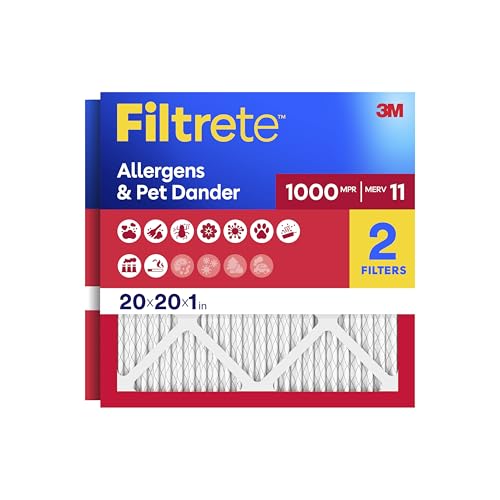
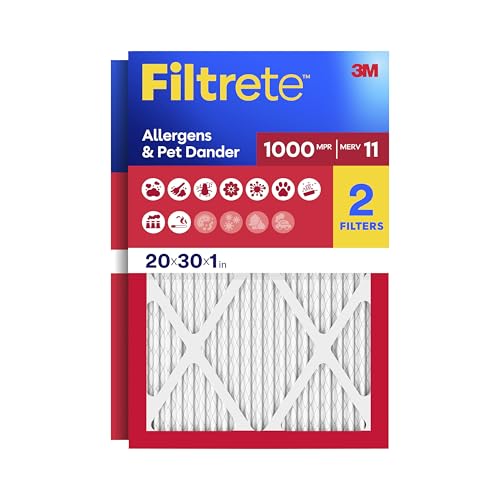
The most basic form of furnace protection. These filters capture dust and large particles before they reach the blower and heat exchanger. Ideal for routine monthly or quarterly replacement in standard residential systems.
Reusable Electrostatic Filters
Washable filters that use electrostatic charge to attract smaller particles. A solid choice for households seeking a reusable option with better filtration than basic fiberglass media, suitable for regular DIY maintenance.
Coil Cleaning Solutions
Specialized sprays and foams designed to dissolve grime from evaporator and condenser coils. These products help restore heat transfer efficiency and are commonly used during seasonal maintenance.
Rotary Brush Cleaning Tools
Motorized brush systems that agitate and lift stubborn debris from duct interiors and heat exchanger surfaces. Typically used by technicians but also available for advanced DIY users.
High-Powered HEPA Vacuums
Professional-grade vacuums with HEPA filtration that capture fine particulates without reintroducing them into the air. Essential for deep cleaning and remediation work.
Professional Duct & Furnace Cleaning Services
Comprehensive cleaning performed by certified technicians using inspection cameras, negative-pressure equipment, and specialized tools. The most thorough option for restoring system cleanliness.
Key Benefits of Regular Furnace Cleaning
Consistent furnace cleaning delivers measurable improvements across performance, safety, and comfort. The following benefits explain why this maintenance task deserves a permanent place in your home care calendar.
- Improved Energy Efficiency Clean components reduce airflow resistance, allowing the blower to move air with less effort. This translates to lower energy consumption and more consistent heating throughout the home.
- Extended Equipment Lifespan Dust and debris accelerate wear on motors, bearings, and heat exchangers. Regular cleaning reduces strain and helps the furnace reach its expected service life.
- Better Indoor Air Quality Removing accumulated contaminants from the furnace and ducts reduces the circulation of dust, allergens, and mold spores, supporting a healthier living environment for occupants.
- Enhanced Safety A clean furnace reduces the risk of overheating and helps maintain proper combustion. Removing lint and debris from around burners and the heat exchanger supports safe operation.
- Fewer Repairs and Breakdowns Preventive cleaning catches small issues before they escalate. Clean systems experience fewer component failures and unexpected mid-season breakdowns.
- More Consistent Comfort Unrestricted airflow means even heat distribution across rooms. Homeowners often notice fewer hot and cold spots after a thorough cleaning.
Recommended Furnace Cleaning Schedule
The right cleaning frequency depends on your home environment, system type, and lifestyle factors. Use the following schedule as a baseline and adjust based on your specific circumstances.
| Task | Frequency | Best For |
|---|---|---|
| Filter Replacement | Every 1–3 months | All systems; monthly for homes with pets or allergy sufferers |
| Blower Compartment Wipe-Down | Every 3–6 months | DIY maintenance between professional visits |
| Coil Cleaning | Annually, before heating season | Systems with visible dirt buildup or reduced performance |
| Heat Exchanger Inspection & Cleaning | Annually | All gas and oil furnaces; critical safety check |
| Duct Cleaning | Every 3–5 years | Homes with pets, recent renovations, or visible duct debris |
| Professional Furnace Tune-Up | Annually | All systems; recommended before the heating season begins |
DIY Furnace Cleaning vs Professional Service
Homeowners can handle several maintenance tasks themselves, but certain cleaning procedures require specialized tools and training. Understanding the boundary between safe DIY work and tasks best left to professionals protects both your equipment and your safety.
What You Can Safely Do Yourself
Replacing air filters is the simplest and most impactful DIY task. Wiping down accessible surfaces, vacuuming the blower compartment with a shop vacuum, and cleaning around the furnace exterior are also manageable for most homeowners. Keeping the area around the furnace clear of stored items improves airflow and reduces fire risk.
When to Call a Professional
Tasks involving the heat exchanger, burners, gas lines, or deep duct cleaning require professional expertise. Technicians use combustion analyzers, inspection cameras, and specialized cleaning equipment to ensure the system is clean and safe. If you notice unusual odors, visible soot, or persistent performance issues, schedule a professional inspection promptly.
For homeowners planning broader HVAC upgrades, resources on heating, ventilating, and air conditioning and furnace and air conditioner replacement provide useful context for decision-making.
Signs Your Furnace Needs Cleaning
Your heating system often provides warning signs before performance deteriorates significantly. Recognizing these indicators early allows you to schedule cleaning before small issues become major repairs.
Visible Dust Around Vents
Dust accumulating on supply registers or settling quickly on furniture after cleaning suggests debris is circulating through the system.
Musty or Dusty Odors
Unusual smells when the heat runs often indicate mold, mildew, or accumulated debris in the ductwork or on the heat exchanger.
Increased Energy Consumption
A noticeable rise in heating bills without a corresponding change in usage patterns can signal restricted airflow from dirty components.
Uneven Heating
Rooms that stay cold while others are warm may indicate blocked ducts or a blower struggling against debris buildup.
Frequent Filter Replacements
Filters that clog rapidly suggest excessive dust in the system or ductwork that requires professional cleaning.
Noisy Operation
Rattling, squealing, or grinding sounds can indicate debris interfering with moving parts or a motor working harder than it should.
How to Choose the Right Furnace Cleaning Solutions
Selecting appropriate furnace cleaners depends on your maintenance goals and comfort with DIY work. Consider the following factors when evaluating options:
Filtration Needs
Homes with allergy sufferers, pets, or occupants sensitive to dust benefit from higher-efficiency filters that capture finer particles. Ensure the filter's MERV rating is compatible with your system's airflow capacity.
System Type and Age
Older furnaces may require more frequent cleaning due to worn components that generate debris. Newer high-efficiency systems benefit from consistent maintenance to preserve their performance advantages. Resources on high-efficiency HVAC explain how maintenance supports efficiency ratings.
Ductwork Condition
If your home has visible dust around registers or a history of pest intrusion, professional duct cleaning may be warranted alongside furnace maintenance. Related guidance on DIY HVAC duct cleaning covers basic steps homeowners can take.
Professional Credentials
When hiring a cleaning service, verify technician certifications, insurance coverage, and experience with your specific furnace type. Asking about inspection procedures and cleaning methods helps ensure the service meets your expectations.
Practical Furnace Maintenance Tips
Beyond scheduled cleaning, everyday habits support furnace longevity and performance. These practical measures complement regular cleaning and help prevent premature wear.
Keep the Area Clear
Maintain at least two feet of clearance around the furnace to ensure adequate airflow and reduce fire risk. Avoid storing flammable materials or household items near the unit.
Monitor Humidity Levels
Excessive humidity encourages mold growth inside ductwork and on system components. Using a dehumidifier or ensuring proper ventilation helps maintain a healthier environment for your HVAC system.
Schedule Pre-Season Checkups
Book professional maintenance before the heating season begins. Technicians can identify cleaning needs and address minor issues before they become inconvenient mid-winter problems.
Watch for Warning Signs
Unusual noises, smells, or performance changes deserve prompt attention. Addressing issues early prevents more extensive damage and keeps your system operating efficiently.
For comprehensive guidance on heating system care, explore resources on furnace and heating repair and heating and repair.
Frequently Asked Questions About Furnace Cleaners
How often should furnace cleaners be used?
What is the difference between DIY furnace cleaning and professional service?
Can furnace cleaning improve indoor air quality?
What are the signs that a furnace needs cleaning?
Is furnace cleaning safe for all types of heating systems?
Explore Related HVAC Guides
Ready to Improve Your Furnace's Performance?
Explore our curated selection of furnace cleaning tools, filters, and maintenance solutions to keep your heating system running efficiently all season long.
VIEW RECOMMENDED FURNACE CLEANERS