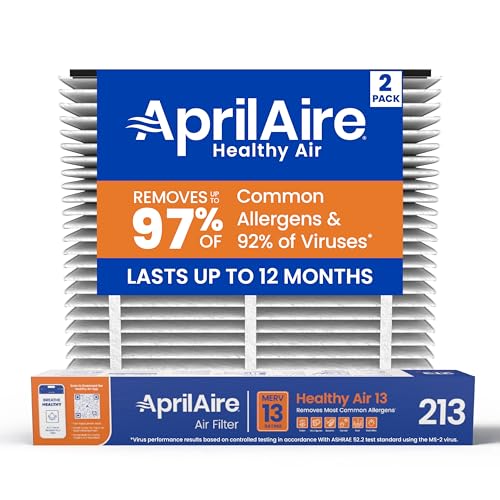
Furnace Filter Replacement Cost: What Every Homeowner Should Understand
Everything you need to know about furnace filter types, replacement frequency, DIY versus professional service, and the factors that affect overall furnace filter replacement cost so you can plan with confidence.
Why this guide matters: A clean furnace filter is one of the simplest yet most impactful maintenance habits for any home heating and cooling system. Understanding furnace filter replacement cost — and what drives it — helps you budget wisely, protect your equipment, and maintain healthy indoor air quality year-round. This guide breaks down filter types, replacement intervals, labor considerations, and practical tips so you can make an informed decision before you buy.
What Is a Furnace Filter and Why Does It Matter?
A furnace filter is a component installed in the return air duct or filter slot of your heating and cooling system. Its primary job is to capture airborne particles — dust, pollen, pet dander, lint, and debris — before they enter the blower and heat exchanger. A clean filter protects the equipment, supports efficient airflow, and contributes to healthier indoor air.
When a filter becomes clogged, the blower motor must work harder to pull air through the system. Over time, this reduces heating efficiency, strains components, and can even lead to overheating or premature failure. That is why filter replacement is considered a foundational part of furnace fan and blower maintenance and broader energy-efficient HVAC system care.
Key Factors That Influence Furnace Filter Replacement Cost
There is no single figure that applies to every home. The overall furnace filter replacement cost depends on several variables. Understanding each one helps you anticipate what a reasonable plan looks like for your situation.
1. Filter Type and Filtration Depth
Standard 1-inch fiberglass filters are the most basic option and typically sit in the entry-level tier. Pleated filters, which capture finer particles, occupy the mid-range tier. Thick media filters, HEPA-style cabinets, and high-MERV designs sit in the premium tier and generally require replacement less often.
2. MERV Rating
MERV (Minimum Efficiency Reporting Value) indicates how effectively a filter captures particles. Higher MERV ratings capture more, but they also tend to restrict airflow. Systems not designed for high-MERV filters may experience reduced efficiency, so matching the filter to your equipment is essential.
3. Filter Size and Availability
Common sizes are widely available. Unusual or custom sizes may require special ordering, which can affect availability and the overall furnace filter replacement cost.
4. Replacement Frequency
Homes with pets, multiple occupants, or high outdoor pollution may need more frequent replacements. A filter that is replaced more often adds up over a year, so frequency is a major driver of long-term furnace filter replacement cost.
5. DIY Versus Professional Service
Replacing a standard filter yourself is a straightforward task. Professional service adds labor and convenience, which raises the overall furnace filter replacement cost but ensures the job is done correctly — particularly for media cabinets or hard-to-access installations.
6. HVAC System Type
Some systems use a single return filter; others use multiple filters or a dedicated media cabinet. Systems integrated with professional heating and cooling contractors may include filter service in a maintenance plan.
Furnace Filter Types Compared by Tier
The table below organizes common furnace filter categories using neutral tier descriptors rather than figures. Use it to understand relative positioning within the market.
| Filter Category | Tier | Typical MERV Range | Best For | Replacement Interval |
|---|---|---|---|---|
| Fiberglass panel filter | Entry-level | 1 – 4 | Basic dust protection; systems with limited airflow capacity | Every 1 – 3 months |
| Pleated disposable filter | Mid-range | 5 – 11 | General household filtration; allergy-sensitive homes | Every 1 – 3 months |
| High-MERV pleated filter | Premium | 12 – 16 | Enhanced particle capture; systems designed for higher static pressure | Every 2 – 4 months |
| Thick media cabinet filter | High-end tier | 8 – 13 | Longer replacement cycles; whole-home filtration | Every 6 – 12 months |
| HEPA-style or hospital-grade filter | Top-tier | 17 – 20 | Specialized filtration; requires compatible system design | Every 6 – 12 months (per manufacturer) |
| Washable / reusable filter | Essential tier | 1 – 8 | Homeowners seeking a reusable option; requires regular cleaning | Clean monthly; replace per wear |
Practical note: Higher MERV is not automatically better. Always confirm the maximum MERV rating recommended by your furnace manufacturer. Installing an overly restrictive filter can reduce airflow, increase static pressure, and negatively affect the blower and heat exchanger.
DIY Replacement vs. Professional Service
Most homeowners can replace a standard 1-inch furnace filter in a few minutes. The process involves noting the size printed on the old filter, matching the airflow arrow direction, sliding out the old filter, and inserting the new one. For standard setups, DIY replacement is the most economical approach and keeps the furnace filter replacement cost limited to the filter itself.
Professional service becomes advisable when the filter is located in a hard-to-reach media cabinet, when the system uses multiple filters, or when the homeowner is unsure about the correct size or MERV rating. Many maintenance plans bundle filter service with annual HVAC service, which can simplify scheduling.
If you are unsure whether your system needs a professional touch, consulting a qualified HVAC parts supplier or technician can clarify which filter matches your equipment.
How Often Should You Replace Your Furnace Filter?
Replacement frequency is one of the most important variables affecting long-term furnace filter replacement cost. The general guidance below should be adjusted for your specific home environment.
- Standard 1-inch filters: Replace every 1 to 3 months. Homes with pets or high dust should lean toward the shorter interval.
- Pleated filters: Replace every 1 to 3 months, depending on particle load and system runtime.
- High-MERV filters: Replace every 2 to 4 months, following manufacturer guidance.
- Thick media filters: Replace every 6 to 12 months.
- Washable filters: Clean monthly and replace when the material shows wear or damage.
Seasonal transitions are a convenient reminder. Checking the filter at the start of heating season and again before cooling season helps maintain consistent performance. Homeowners who also manage ductwork and airflow will find that clean filters complement proper duct sealing and balanced airflow.
Signs It Is Time to Replace the Filter
Beyond a calendar reminder, your system often tells you when the filter needs attention. Watch for these signs:
- Visible dust accumulation on the filter surface
- Increased dust settling on furniture and surfaces
- Reduced airflow from supply registers
- Longer heating cycles or uneven room temperatures
- Higher energy consumption without a clear cause
- A musty or dusty odor when the system runs
If these signs appear alongside cooling problems, they may overlap with broader issues covered in guides such as air conditioner not blowing air or thermostat not cooling the house.
How Furnace Filters Fit Into Overall HVAC Efficiency
A furnace filter is a small component with an outsized effect on system efficiency. Clean filters support proper airflow, which in turn helps the blower, heat exchanger, and evaporator coil operate as designed. Filters that are neglected can contribute to frozen coils, overheating, and premature wear.
Homeowners who invest in energy-efficient HVAC systems often find that consistent filter replacement is the simplest way to protect that investment. Pairing filter maintenance with air duct sealing and routine coil cleaning creates a comprehensive maintenance routine.
Budgeting for Furnace Filter Replacement Over Time
Rather than focusing on a single furnace filter replacement cost, consider the annual picture. Entry-level filters need frequent replacement, while premium filters last longer but sit at a higher tier. The most practical approach is to choose a filter that matches your system's design and your household's filtration needs, then maintain a consistent replacement schedule.
Many homeowners find that combining filter replacement with scheduled local heating and cooling services is an efficient way to stay on track. If you are planning broader upgrades, related guides on portable air conditioner considerations and air conditioner tune-ups can help you see the bigger picture.
Frequently Asked Questions
How often should a furnace filter be replaced?
Standard 1-inch filters generally need replacement every 1 to 3 months, depending on pets, occupancy, and outdoor air quality. Thicker media filters may last 6 to 12 months. Always follow the manufacturer's recommendation for your specific filter and furnace.
Does a higher MERV rating always mean better performance?
Not necessarily. Higher MERV ratings capture more particles but can restrict airflow in systems not designed for them. Choose a MERV rating that matches your furnace blower capacity and ductwork to avoid reduced efficiency and strain on the system.
Can I replace a furnace filter myself?
Yes, replacing a standard furnace filter is a straightforward DIY task for most homeowners. It involves locating the filter slot, noting the correct size and airflow direction, removing the old filter, and inserting the new one. Professional service is recommended for complex media cabinets or if the filter is difficult to access.
What happens if a furnace filter is not replaced on time?
A clogged filter restricts airflow, forcing the blower motor to work harder. This reduces heating efficiency, can cause overheating, worsens indoor air quality, and may lead to premature component wear. Consistent replacement is one of the most effective maintenance habits for any furnace.
How do I know which filter size to buy?
The correct size is usually printed on the edge of the existing filter or inside the filter slot. Measure the length, width, and thickness to confirm. If the size is unusual, a specialist HVAC parts supplier can help source the correct replacement.
Do washable filters really work?
Washable filters can be effective for basic dust capture when cleaned regularly. They typically sit in the essential tier and are a practical option for homeowners who prefer a reusable approach. However, they may not capture fine particles as effectively as high-MERV disposable filters.