Furnace With Humidifier: What Shapes the Investment
A furnace paired with a whole-house humidifier addresses two of the biggest winter comfort problems at once: heat and dry air. The investment depends on the humidifier type, the home's size and climate, and the installation work required. This guide explains the factors so you can plan the project with clarity.
Start ReadingWhy Pair a Furnace With a Humidifier
Heating a home in winter lowers indoor humidity. Cold outdoor air holds very little moisture, and when it is warmed indoors, the relative humidity drops further. The result is the familiar winter pattern: dry skin, static shocks, cracking woodwork, and rooms that feel cooler than the thermostat suggests. A whole-house humidifier restores moisture to the air that the furnace distributes, addressing the discomfort at its source rather than room by room.
Pairing a humidifier with a furnace is efficient because the humidifier uses the furnace's existing ductwork to distribute moisture. When the furnace runs, air passes through the humidifier and picks up moisture before traveling through the ducts into the living spaces. This integration means one system handles both heat and humidity, with a single set of controls when the components are properly combined.
The investment question is not just about the humidifier itself. It involves the furnace it will be paired with, the ductwork it will connect to, the water and drain lines it needs, and the electrical capacity of the home. Understanding those moving parts is the foundation of a sound plan. If you are still in the early research stage, the guide on high-efficiency furnace and air conditioner systems covers how heating equipment is evaluated before a humidifier is added.
Key idea: A humidifier is an accessory to the furnace, not a standalone appliance. Its integration with the furnace, ductwork, and controls determines both the project scope and its long-term usefulness.
Humidifier Types Compared
Whole-house humidifiers come in several designs. Each has a different place in the market and a different implication for the project. The table below compares the main types using universal tier descriptors.
| Humidifier Type | Best For | Tier Positioning | Integration Notes |
|---|---|---|---|
| Bypass humidifier | Most forced-air homes with moderate humidity needs | Balanced tier | Uses furnace airflow; needs a bypass duct and drain |
| Fan-powered humidifier | Homes where the furnace runs intermittently | Balanced tier | Has its own fan; less dependent on furnace runtime |
| Steam humidifier | Large homes or where precise humidity control is needed | Premium tier | Heats water to steam; needs dedicated electrical capacity |
| Portable humidifier (room-level) | Single-room moisture support | Essential tier | Not integrated with the furnace; refill and cleaning required |
| Furnace-integrated steam unit | Whole-home projects with high moisture demand | Premium tier | Distributes steam through the ductwork with the furnace |
Bypass and fan-powered humidifiers
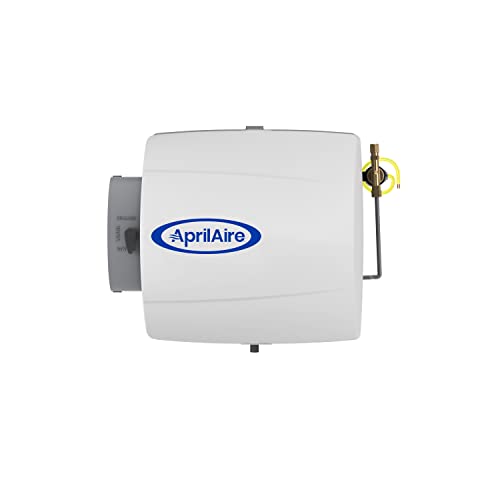
The most common whole-house humidifiers in forced-air systems are bypass and fan-powered models. A bypass unit diverts some heated air through a water panel and back into the supply duct, picking up moisture along the way. A fan-powered unit uses its own small fan to draw air through the panel, which makes it more effective when the furnace cycles less frequently. Both are balanced-tier choices that integrate with standard furnace installations.
Steam humidifiers
Steam humidifiers generate moisture by heating water in a canister. They provide faster humidity response and are less dependent on furnace airflow, which makes them suitable for larger homes or where the heating system runs in short cycles. They sit in the premium tier because they require dedicated electrical circuits and more involved controls.
Portable humidifiers as an alternative
For homeowners not ready to integrate with the furnace, a portable room humidifier addresses a single space. It is the essential tier option and does not require ductwork or plumbing work, but it also does not provide whole-house humidity and requires frequent refilling and cleaning.
What Shapes the Investment
Several factors determine the scale of a furnace-with-humidifier project. Thinking through each one in advance keeps the project predictable and avoids surprises once work begins.
Humidifier type and capacity
A bypass humidifier is the more modest addition; a steam humidifier is the more substantial one. Capacity also matters: a larger home or a drier climate requires a humidifier that can deliver enough moisture on the coldest days, which may point toward a more capable unit.
Furnace compatibility
The humidifier must match the furnace's airflow and duct configuration. A high-efficiency furnace with sealed combustion may have different ducting than a standard furnace. The pairing should be reviewed by a technician who understands both components.
Ductwork modification
Bypass humidifiers require a small bypass duct; fan-powered and steam units require mounting space on the supply or return plenum. If ductwork is tight or inaccessible, additional sheet-metal work may be needed, which affects the scope of the project.
Water supply and drain
Whole-house humidifiers need a cold water supply and a drain for excess water. If a nearby supply line or floor drain does not exist, plumbing work to create them becomes part of the plan.
Electrical requirements
Bypass and fan-powered humidifiers generally draw very little power. Steam humidifiers require dedicated circuits. Homes with older electrical panels may need an upgrade, which is a separate line item in the planning process.
Climate and humidity goals
The target indoor humidity and the climate where the home is located determine how much moisture capacity the system needs. A home in a very dry climate with a large heated area will require more capability than one in a milder climate.
For additional context on how a heating system's performance is evaluated before adding accessories, the guide on high-efficiency heating and air conditioning explains the efficiency and capacity factors that shape a heating project.
Sizing the Humidifier Correctly
Correct sizing is as important for a humidifier as it is for a furnace. An undersized humidifier cannot reach the target humidity on very cold days; an oversized one can drive indoor humidity too high, leading to window condensation and moisture problems.
Factors in sizing
- Square footage of the heated space.
- Ceiling height and the volume of air to be humidified.
- Air leakage and insulation quality of the home.
- Climate and the coldest expected outdoor temperatures.
- Target indoor relative humidity for comfort and material preservation.
Reading capacity ratings
Humidifier capacity is typically expressed as the amount of moisture delivered per day. Manufacturers publish sizing charts that map home size and climate conditions to recommended capacity. A qualified technician will match the humidifier to the home's specific conditions rather than defaulting to a single size.
Controls and humidity sensing
A humidistat measures indoor humidity and cycles the humidifier accordingly. Some systems include outdoor temperature sensors that reduce humidity output as the outdoor temperature drops, preventing window condensation. Choosing the right controls is part of a properly sized installation.
The principles behind air distribution and duct performance also shape humidity delivery. The guide on ductwork design explains how airflow decisions affect the effectiveness of accessories connected to the furnace.
Installation Planning Step by Step
A furnace-and-humidifier project is a sequence of decisions. Working through them in order prevents surprises and keeps the scope clear.
-
Assess the furnace and ductwork
Confirm that the furnace has adequate space on the supply or return plenum and that the ductwork can accept the humidifier connections without compromising airflow.
-
Confirm water and drain access
Identify a nearby cold water line and a suitable drain. If neither is available, plan the plumbing work as part of the project.
-
Review electrical capacity
For bypass and fan-powered humidifiers, this is usually minimal. For steam humidifiers, verify that a dedicated circuit can be added or already exists.
-
Select the humidifier type and capacity
Match the humidifier to the home's climate, size, and humidity goals. Confirm the choice with the installer before ordering.
-
Plan controls integration
Decide whether the humidistat will be combined with the thermostat or installed separately, and confirm how it will communicate with the furnace and humidifier.
-
Schedule installation and verification
After installation, verify that the humidifier delivers moisture evenly, that the drain works properly, and that the controls respond correctly to humidity changes.
If you are also considering the thermostat that will control the combined system, the article on an electronic home thermostat explains the control features that affect humidifier integration.
Operating and Maintenance Outlook
Once installed, a furnace humidifier becomes part of the routine maintenance of the heating system. Understanding the long-term operating picture helps evaluate whether the project fits the home's overall upkeep plan.
Water use and drain
Bypass and fan-powered humidifiers use water continuously while operating and send excess to the drain. Steam humidifiers use water only as needed to generate steam. Water quality affects scaling and maintenance frequency in all types.
Maintenance tasks
- Replace or clean the water panel or pad at the start of each heating season.
- Clean the water tray and drain line to prevent mineral buildup.
- Inspect the humidistat and controls for proper operation.
- For steam units, replace the canister when scale accumulation affects performance.
Interaction with the furnace
A well-maintained humidifier supports the furnace's comfort performance. A neglected one can introduce mineral dust into the ductwork or cause water damage near the furnace. Regular service keeps the humidifier working as intended and protects the heating system it is paired with.
For a broader look at keeping the heating system in good condition, the guide on furnace and air conditioning service covers the routine tasks that apply to both components.
Integrating With the Furnace
The most important part of a furnace-with-humidifier project is how well the two systems work together. Integration determines whether the humidifier delivers consistent moisture and whether the furnace continues to operate efficiently.
Airflow and plenum placement
Humidifiers are typically mounted on the supply or return plenum, depending on the type. The location affects how evenly moisture is distributed and how easily the unit can be serviced. Placement should be planned with the ductwork layout in mind.
Controls and sequencing
Controls determine when the humidifier operates relative to the furnace. Some systems run the humidifier only when the furnace is heating; others include a fan-only mode for humidification. The right configuration depends on the home's heating patterns and the humidifier type.
Combined system performance
When both components are properly paired, the result is a home that feels warmer at lower thermostat settings because the air holds more moisture. That comfort improvement is one of the strongest reasons to integrate a humidifier with the furnace rather than adding room-level units.
If the heating system also includes cooling, the guide on heating and air conditioning units combined explains how combined systems are configured and maintained.
Pre-Project Checklist
Before committing to a furnace-humidifier project
- Confirm the furnace model and its available plenum space.
- Identify a nearby cold water supply and a suitable drain.
- Check electrical panel capacity, especially for steam models.
- Determine the home's climate and target indoor humidity.
- Select a humidifier type that matches the home's needs.
- Confirm that the humidifier capacity matches the heated area.
- Plan the controls integration with the thermostat.
- Review the maintenance schedule for the humidifier type.
- Ask the installer about warranty and support terms.
- Compare quotes that itemize equipment, labor, and any plumbing or electrical work.
Frequently Asked Questions
Which humidifier type adds the most to a furnace project?
Steam humidifiers generally sit at the premium tier because they include heating elements, more sophisticated controls, and higher electrical requirements. Bypass and fan-powered humidifiers sit in the balanced tier and are the most common choice for existing forced-air systems. Portable units are the essential tier option but are not integrated with the furnace.
Do I need a dedicated water line for a furnace humidifier?
Yes, most whole-house humidifiers connect to a cold water supply line and include a drain for excess water. Installation planning should confirm that a nearby supply line and suitable drain are available, or budget for the additional plumbing work to create them.
Can a humidifier be added to an existing furnace?
In most cases yes. Bypass and fan-powered humidifiers can be retrofitted to a forced-air furnace with a small amount of ductwork modification. Steam humidifiers require more electrical capacity. A technician should confirm compatibility with the furnace, ductwork, and available power.
What maintenance does a whole-house humidifier require?
Bypass and fan-powered humidifiers need periodic pad or water panel replacement and cleaning of the water tray and drain. Steam humidifiers require canister replacement and scale removal. Routine maintenance keeps the humidifier operating efficiently and prevents mineral buildup from affecting the furnace and ductwork.
Is a furnace humidifier worth adding to a heating project?
For many homes in dry climates or during winter heating, a humidifier improves comfort and can reduce the dry-air effects that make rooms feel cooler than they are. Whether it belongs in your project depends on your climate, indoor humidity goals, and whether the furnace and ductwork can support the addition.
How does humidifier sizing affect the overall project?
Sizing is based on the home's square footage, air leakage, climate, and desired indoor humidity. An undersized humidifier cannot reach the target humidity on very cold days, while an oversized one can create condensation on windows. A properly sized unit is the better long-term investment.
Plan Your Furnace-Humidifier Project With Confidence
You now understand the moving parts: humidifier type, capacity, ductwork modification, water and drain access, electrical capacity, and controls integration. Comparing options that match your home's climate and heating system is the next step.
Explore Humidifier and Furnace Options