Heating and Air Conditioning Units Combined
One system that keeps you warm in winter and cool in summer. This complete guide explains how combined heating and AC units work, which configurations suit different homes, how to size them correctly, and what to check before you commit to a purchase.
EXPLORE SYSTEM TYPESWhy combined systems matter: A combined heating and air conditioning unit replaces two separate appliances with a single, integrated system. The result is fewer components to install, a tidier footprint, and often smoother year-round comfort. But "combined" covers several very different technologies — and choosing the wrong one for your home is a common and avoidable mistake.
What "Heating and Air Conditioning Units Combined" Actually Means
The phrase describes any system that delivers both heating and cooling from one integrated package. That broad definition hides an important distinction. Some combined systems use a single refrigeration circuit that simply reverses direction — absorbing heat from outdoor air in summer and extracting heat from outdoor air in winter. Others pair a traditional air conditioner with a separate furnace, sharing ductwork and controls but operating as two distinct machines.
Understanding which category a product belongs to changes everything: installation requirements, efficiency behaviour in cold weather, maintenance routines, and how the system performs during a deep winter cold snap. If you are still comparing broad equipment categories, our overview of the different types of air conditioning for homes provides useful context before narrowing down to a combined setup.
The Main Types of Combined Heating and AC Systems
Below are the four configurations most homeowners encounter when shopping for a combined unit. Each card uses a tier descriptor to indicate its general market positioning, so you can compare categories without relying on transient figures.
Split System with Furnace & AC
The classic North American combination: a furnace indoors handles heating while a matching air conditioner or heat pump coil sits on top, both sharing the same duct network and thermostat.
- Familiar to nearly every HVAC technician
- Wide range of efficiency levels available
- Requires existing ductwork
Heat Pump (Air-Source)
A single unit that reverses the refrigeration cycle. In cooling mode it works exactly like an air conditioner; in heating mode it moves heat from outdoor air into the home rather than generating it.
- One machine for both seasons
- Very efficient in moderate climates
- Cold-climate models extend usable range
Ductless Mini-Split Heat Pump
An outdoor compressor connects to one or more indoor wall, floor, or ceiling heads. No ductwork required, and each zone can be controlled independently.
- Ideal for older homes without ducts
- Zone-by-zone temperature control
- Quiet indoor operation
Packaged Unit
All components — compressor, condenser, evaporator coil, and often the heating element or gas furnace — are housed in a single outdoor cabinet connected to indoor ductwork.
- Compact single-cabinet footprint
- Common on rooftops and tight lots
- Simplified installation logistics
Dual-Fuel System
A heat pump paired with a gas furnace as backup. The system automatically selects the more economical energy source based on outdoor temperature and settings.
- Handles severe cold without losing capacity
- Automatic switchover between fuels
- Requires professional configuration
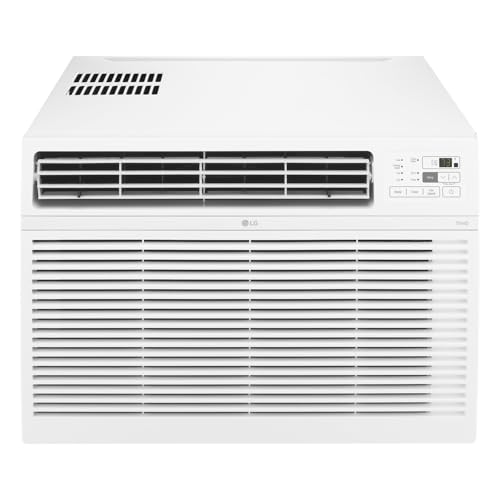
Window or Through-the-Wall Combo
A single chassis that provides both cooling and electric heating, typically installed in a window frame or wall sleeve for a single room.
- Simple single-room solution
- No ductwork or major renovation
- Best for small, defined spaces
Heat Pump vs. Furnace Plus AC: The Core Decision
Most buyers ultimately choose between an all-electric heat pump and a furnace-plus-AC split system. The choice hinges on climate, existing infrastructure, and how the home is insulated. If you want a deeper technical breakdown of the differences, our article on heat pump vs air conditioner explains the mechanics in detail.
Heat pump strengths
- Delivers both heating and cooling from one outdoor unit
- Moves heat instead of generating it, which is efficient in mild winters
- No gas line or flue required
- Pairs well with solar and electrification goals
Heat pump limitations
- Standard models lose capacity in extreme cold
- Cold-climate variants carry a higher tier positioning
- Retrofitting may require electrical panel upgrades
- Defrost cycles are normal but can surprise first-time owners
If your home is older and lacks ductwork, a ductless approach often makes more sense than forcing a ducted retrofit. Our guide to ductless air conditioning for older homes walks through the practical trade-offs. For those specifically comparing ducted and ductless options, ductless heating and air conditioning covers configuration choices in more depth.
Sizing a Combined System Correctly
Oversizing is the most common installation error in combined systems. A unit that is too large cools or heats the space too quickly, then cycles off before it has time to dehumidify or distribute air evenly. The result is a room that feels clammy in summer, uneven temperatures in winter, and more wear on the compressor over time.
Proper sizing starts with a room-by-room load calculation that accounts for square footage, ceiling height, window area, insulation quality, and local climate. Homeowners can use a simplified sizing reference as a starting point, such as our guide to how to size an air conditioner, but a professional Manual J calculation remains the reliable standard for a whole-home combined system.
Room-by-room load matters
A combined system serving multiple rooms needs balanced airflow. One oversized zone can starve another of conditioned air.
Climate shifts the balance
A system sized primarily for cooling may struggle on the coldest days if the heating side is undersized relative to local design temperatures.
Duct condition affects performance
Leaky or undersized ducts can waste a significant share of the capacity you paid for. Sealing ducts is often more impactful than upgrading equipment.
Zoning adds flexibility
Multi-zone mini-splits and damper-based zoning let one combined system serve rooms with very different heating and cooling needs.
Efficiency Ratings Worth Understanding
Combined systems carry separate efficiency metrics for cooling and heating. Cooling efficiency is expressed through SEER and its updated SEER2 standard, while heating efficiency for heat pumps is expressed through HSPF and HSPF2. Furnaces use AFUE. Comparing these numbers only makes sense within the same equipment category — a high SEER2 rating on an air conditioner says nothing about how well the heating side performs.
If efficiency terminology is unfamiliar, our explainer on what a SEER rating is breaks down the basics. Buyers aiming for top-tier efficiency should also look for ENERGY STAR certified HVAC equipment, which sets a recognized efficiency floor across both heating and cooling modes.
| System Configuration | Cooling Metric | Heating Metric | Best For |
|---|---|---|---|
| Split system, furnace + AC | SEER2 | AFUE (furnace) | Homes with existing ducts in mixed climates |
| Air-source heat pump | SEER2 | HSPF2 | Moderate climates and electrification upgrades |
| Ductless mini-split heat pump | SEER2 | HSPF2 | Older homes, additions, and single-room zones |
| Dual-fuel system | SEER2 | HSPF2 + AFUE | Cold climates needing reliable backup heat |
| Packaged unit | SEER2 | AFUE or HSPF2 (model dependent) | Rooftop or tight-lot installations |
Installation Considerations Before You Buy
A combined system is only as good as its installation. Poor line-set routing, incorrect refrigerant charge, and undersized electrical circuits are recurring problems that no efficiency rating can compensate for. Before committing, confirm three things: the electrical panel can support the equipment, the outdoor unit has adequate clearance for airflow, and the contractor will perform a proper commissioning check rather than simply switching the system on.
Budgeting for installation logistics is part of the process, though tier positioning should guide expectations more than any single figure. For context on how installation scope varies, our overview of what central air installation involves outlines the major work categories. Homeowners considering a ductless route can review ductless mini-split installation considerations for a more targeted breakdown of the work involved.
Electrical capacity
Heat pumps and combined systems often draw more current than a legacy window unit. An electrician may need to add a dedicated circuit.
Condensate management
Combined systems produce condensate in cooling mode. A proper drain route — and a float switch on attic installations — prevents water damage.
Outdoor placement
Shade, clearance, and noise sensitivity all influence where the outdoor unit should sit. Avoid enclosing it in tight decorative fencing.
Thermostat compatibility
Modern combined systems benefit from a capable thermostat that handles staging, defrost logic, and dual-fuel switchover correctly.
Maintenance That Protects a Combined System
Combined systems work harder than single-season equipment because they operate year-round. That makes routine maintenance more important, not less. Filters should be checked monthly during peak use, outdoor coils kept clear of debris, and drain lines flushed before each cooling season. A professional service visit once a year — ideally before the heating season — catches refrigerant issues, worn capacitors, and blower problems before they escalate.
Simple habits extend equipment life: keep the outdoor unit clear of leaves and snow, avoid closing supply registers in unused rooms, and schedule service before the first cold snap rather than after the system fails. Our guide to the most efficient way to heat and cool a house expands on operational habits that reduce strain on combined systems.
Frequently Asked Questions
Is a combined heating and air conditioning unit better than two separate appliances?
It depends on the home. A combined system reduces equipment count, simplifies the outdoor footprint, and often provides smoother changeover between seasons. Separate appliances can make sense when an existing furnace is still in good condition and only the cooling side needs replacement, or when ductwork already supports a conventional split layout.
Does a heat pump really heat a home in cold weather?
Yes — modern cold-climate heat pumps operate effectively well below freezing by using enhanced vapor injection and variable-speed compressors. In regions with sustained extreme cold, a dual-fuel setup that pairs a heat pump with a furnace backup is the more dependable configuration.
Can I add heating to an existing air conditioner?
In many cases, yes. A ducted air conditioner can often be paired with a heat pump coil or a furnace, and some ductless systems support adding a heat pump indoor head. The feasibility depends on the age, refrigerant type, and control compatibility of the existing equipment, so a technician assessment is essential.
How long does a combined system last?
Well-maintained combined systems typically provide a long service life measured in many years of operation. Longevity is driven more by installation quality, filter discipline, and annual servicing than by the equipment category alone. Harsh coastal air and neglected coils shorten lifespan noticeably.
Do combined systems require special permits?
Most jurisdictions require a mechanical permit for installing or replacing a combined HVAC system, and refrigerant handling must follow EPA rules. Permits protect you: they trigger inspection of electrical connections, refrigerant lines, and condensate routing. Confirm permit responsibility with your contractor in writing.
What is the single biggest mistake buyers make?
Choosing equipment before calculating the load. Buyers often fixate on a brand or a headline efficiency number, then discover the system is oversized for their ductwork or undersized for their climate. Start with a load calculation and a duct assessment, then select equipment that matches.
Ready to Compare Combined Systems?
Review the recommended heating and air conditioning combo units below, then verify sizing and installation requirements with a qualified contractor before purchase.
VIEW RECOMMENDED UNITS