Good Humidity Level for a Home: Complete Guide
Discover the ideal indoor humidity range, why it matters for comfort and health, and how to keep moisture balanced in every season with the right HVAC strategy.
Quick answer: Most indoor air quality and HVAC experts agree that a good humidity level for a home is between 30% and 50% relative humidity, with 40% to 45% being the sweet spot for most households. Staying inside this range protects your health, your home's structure, and the efficiency of your air conditioning system.
Why Indoor Humidity Matters More Than You Think
Humidity is the amount of water vapor present in the air. While you cannot see it, it directly influences how your body perceives temperature, how well your skin and respiratory system function, and how long the materials in your home last. When humidity drifts too far in either direction, the consequences appear quickly: mold on walls, condensation on windows, dry throats, warped wood, and air conditioners working harder than they should.
The challenge is that modern homes are built tighter than ever. Improved insulation and sealed windows reduce energy waste, but they also trap moisture from cooking, showering, laundry, and even breathing. Without deliberate moisture control, indoor humidity can creep into unhealthy territory. Conversely, in winter or in arid climates, heating systems can strip the air of moisture until relative humidity falls below 20%, causing dry skin, static shocks, and cracking woodwork.
Understanding the target range is the first step. Maintaining it consistently is where HVAC sizing, ventilation, and moisture control equipment come together. If you are still evaluating the fundamentals of system selection, our getting started guide is a helpful companion to this article.
The Ideal Indoor Humidity Range Explained
The widely accepted target for indoor relative humidity is 30% to 50%. Within this band, most people feel comfortable, mold and dust mites struggle to thrive, and building materials remain stable. The optimal number shifts slightly depending on the season:
| Season | Recommended Humidity | Why This Range Works |
|---|---|---|
| Summer | 40% – 50% | Balances comfort with cooling load; low enough to discourage mold, high enough to avoid dry air from constant AC operation. |
| Winter | 30% – 40% | Prevents window condensation in cold weather while keeping skin and airways from drying out during heating season. |
| Year-round target | 40% – 45% | A stable middle ground that supports health, comfort, and equipment efficiency across most climates. |
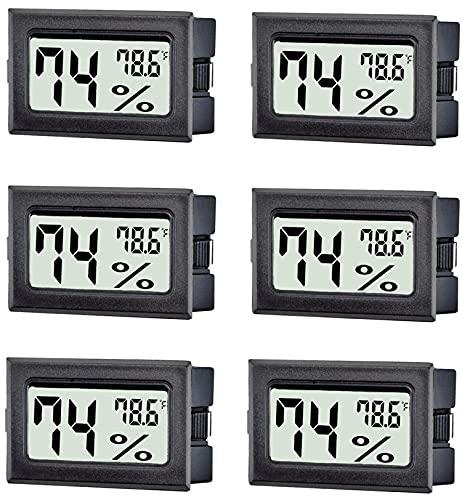
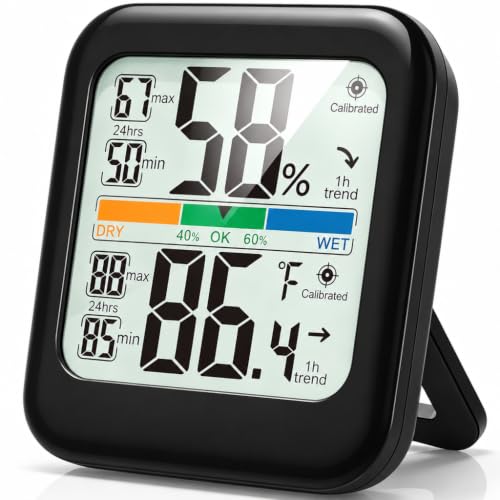
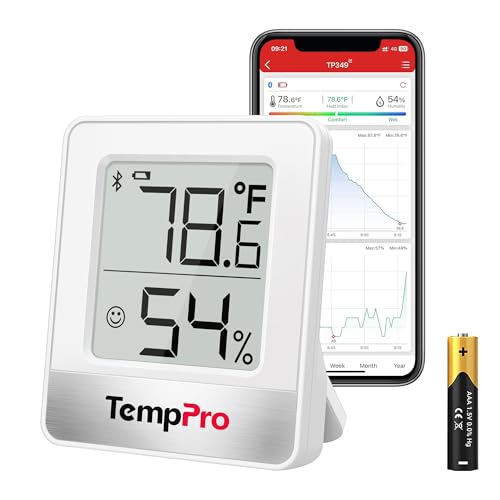
A simple hygrometer placed in a central living area can tell you where your home stands. Many modern smart thermostats also report indoor humidity, making it easy to track trends over days and weeks rather than relying on a single reading.
What Happens When Humidity Is Too High
When indoor humidity climbs above 55% to 60%, the environment becomes friendly to problems that are difficult and costly to reverse. Mold spores, dust mites, and mildew all thrive in moist air. You may notice musty odors in closets, condensation on windows and mirrors, peeling paint, or a clammy feeling even when the thermostat is set low.
High humidity also makes your air conditioner work harder. Moist air holds heat, so your AC must remove more latent heat before the room feels cool. That translates into longer run times, higher energy use, and accelerated wear on the compressor. If you notice your system struggling, our guide on how do I fix high humidity in my house walks through practical diagnostics step by step.
Structural damage is the long-term risk. Wood flooring can cup or warp, drywall can soften, and insulation can lose effectiveness once it absorbs moisture. In severe cases, persistent humidity creates conditions for wood rot and structural decay that require professional remediation.
What Happens When Humidity Is Too Low
Dry air is equally problematic, especially during heating season. Relative humidity below 30% causes dry skin, irritated eyes, chapped lips, and a scratchy throat. It can worsen respiratory conditions and increase susceptibility to colds and flu because dry mucous membranes are less effective at trapping airborne particles.
In the home, low humidity pulls moisture from wood furniture, hardwood floors, and musical instruments, leading to cracks and gaps. Static electricity becomes noticeable, and paper products curl. Some homeowners address this with a dedicated humidifier; our overview of house humidification explains the options, from portable units to whole-house systems integrated with your HVAC.
The key is balance. Over-humidifying in winter creates condensation on cold surfaces and can trigger the same mold issues associated with summer humidity. A hygrometer and a humidistat-controlled system keep you within the safe band.
How Your Air Conditioner Influences Indoor Humidity
An air conditioner does more than cool the air; it dehumidifies it. As warm, moist air passes over the cold evaporator coil, water vapor condenses and drains away. This is why a properly sized and well-maintained AC unit is one of the most effective humidity control tools in a home.
However, an oversized air conditioner can actually leave your home feeling clammy. It cools the room quickly and shuts off before it has time to remove sufficient moisture. This short-cycling is a common cause of high indoor humidity in otherwise well-cooled homes. Correct sizing, based on a proper load calculation, ensures the system runs long enough to dehumidify effectively.
Fan settings matter too. Running the fan in the "auto" position allows moisture to drain properly between cycles. Leaving the fan on "on" continuously can re-evaporate water from the coil back into the air. Regular maintenance, including cleaning or replacing the filter and keeping the condensate drain clear, preserves dehumidification performance. If you are comparing system types, heat pump vs air conditioner outlines how each handles moisture differently.
Maintenance tip: A dirty filter restricts airflow, which reduces the amount of moisture the coil can remove. Check your filter monthly during peak cooling season and replace it according to the manufacturer's guidance. Combined with annual coil cleaning, this single habit protects both comfort and energy efficiency.
How to Measure Humidity in Your Home
You cannot manage what you do not measure. A basic hygrometer is an inexpensive device that displays relative humidity and temperature. Place it in a central hallway or living room, away from direct sunlight, windows, and vents. For a more complete picture, place additional units in the basement, bedrooms, and any room prone to condensation.
Smart thermostats and indoor air quality monitors often log humidity over time, which helps you identify patterns. You may discover that humidity spikes after showers, during rainy weeks, or when the AC runs less in mild weather. These patterns guide where to focus ventilation and dehumidification efforts.
Practical Ways to Balance Home Humidity
Whether your home runs damp or dry, there are targeted strategies to bring humidity into the healthy range. The right combination depends on your climate, construction, and lifestyle.
To lower high humidity
- Run exhaust fans in bathrooms and kitchens during and after use to vent moisture at the source.
- Ensure your air conditioner is correctly sized and maintained; short-cycling is a frequent culprit.
- Seal air leaks around windows, doors, and foundation penetrations to keep humid outdoor air out.
- Use a standalone or whole-house dehumidifier during humid months, especially in basements.
- Fix plumbing leaks and ensure gutters direct water away from the foundation.
- Consider duct sealing; leaks in ductwork can draw humid air from crawlspaces into living areas. Our guide on HVAC air duct sealing explains the process.
To raise low humidity
- Use a portable humidifier in bedrooms or living areas during dry seasons.
- Install a whole-house humidifier integrated with your furnace or air handler for consistent coverage.
- Keep bathroom and kitchen exhaust fans off when not needed to retain moisture in winter.
- Add houseplants, which release moisture through transpiration, as a supplementary measure.
- Monitor with a hygrometer and avoid overshooting above 50% to prevent condensation on cold surfaces.
Ready to take control of your home's comfort?
Explore our complete AC buying guide to understand sizing, efficiency ratings, and system types before you choose equipment. For homes with combined heating and cooling needs, our overview of heating and air conditioning in one unit explains how integrated systems manage both temperature and moisture.
Humidity and Your Family's Health
Indoor humidity affects everyone in the household, but some groups are more sensitive. Infants, older adults, and people with asthma or allergies benefit most from stable humidity in the 40% to 50% range. Dry air irritates airways and can trigger nosebleeds, while damp air encourages dust mites and mold, both common allergy triggers.
Balanced humidity also supports better sleep. Rooms that are too dry cause tossing and turning from thirst and irritation, while overly humid rooms feel stuffy and oppressive. A hygrometer in the bedroom helps you fine-tune conditions for restful nights.
Seasonal Humidity Strategy
Your humidity plan should shift with the calendar. In summer, the priority is dehumidification: keep the AC maintained, use exhaust fans, and consider a dehumidifier for basements. In winter, the priority flips to humidification: add moisture to counteract dry heating air, but watch for condensation on windows as a sign you have overdone it.
Shoulder seasons, when neither heating nor cooling runs consistently, are often when humidity problems go unnoticed. During these weeks, rely on ventilation and targeted dehumidification to keep moisture from accumulating in closed-up rooms.
Frequently Asked Questions
What is a good humidity level for a home?
Most experts recommend keeping indoor relative humidity between 30% and 50%, with 40% to 45% being ideal for most homes year-round. This range supports comfort, discourages mold and dust mites, and protects building materials.
Is 60% humidity too high indoors?
Yes. Sustained indoor humidity above 55% to 60% creates conditions for mold growth, dust mites, and musty odors. It also makes rooms feel warmer and forces your air conditioner to work harder to remove moisture.
Does an air conditioner reduce humidity?
Yes. A properly sized air conditioner removes moisture as it cools the air. Running the fan on auto, keeping filters clean, and ensuring correct system sizing all help your AC control indoor humidity effectively.
How can I lower high humidity in my house?
Use exhaust fans in bathrooms and kitchens, seal air leaks, keep the AC filter clean, use a standalone or whole-house dehumidifier, and fix any plumbing or roof leaks. If your AC is short-cycling, have a technician verify the system is properly sized and charged.
Should I run my AC fan on auto or on to control humidity?
For humidity control, "auto" is generally better. It allows the coil to drain fully between cooling cycles. Running the fan continuously can re-evaporate moisture from the coil back into your home, raising indoor humidity.
Can a dehumidifier replace my air conditioner?
No. A dehumidifier removes moisture but does not cool the air. In hot, humid climates you need both cooling and dehumidification, which a properly sized AC provides. A dehumidifier is a supplement for spaces the AC does not reach well, such as basements.