
HVAC Air Duct Sealing: The Complete Guide to Stopping Leaks and Boosting Efficiency
Discover how sealing air duct leaks can dramatically improve your HVAC system's performance, reduce energy waste, enhance indoor air quality, and extend the lifespan of your equipment.
START LEARNINGWhy duct sealing matters: The average U.S. home loses 20–30% of conditioned air through duct leaks, cracks, and poorly connected joints. That means the air you paid to cool or heat never reaches your living space. Sealing your ducts is one of the highest-return improvements you can make to your HVAC system — improving comfort, lowering energy consumption, and reducing strain on your equipment.
Why HVAC Air Duct Sealing Matters
Your HVAC system is only as efficient as its distribution network. Even a premium-tier air conditioner or furnace cannot perform at its rated capacity if a significant portion of conditioned air escapes before reaching your rooms. Duct leakage occurs at every weak point: unsealed joints, loose connections, gaps at registers, holes from pests, and deteriorated tape or mastic.
The consequences extend far beyond energy waste. Leaky return ducts can pull in dust, insulation particles, and unconditioned air from attics, crawlspaces, or garages. This compromises indoor air quality and forces your system to work harder to maintain the thermostat setpoint. Over time, this additional workload accelerates wear on the blower motor, compressor, and heat exchanger.
Key Benefits of Sealing Your Air Ducts
- Improved energy efficiency: Sealed ducts deliver conditioned air where it is needed, reducing runtime and energy consumption. Many homeowners report noticeable improvements in monthly utility bills after comprehensive sealing.
- Better indoor air quality: Sealing return-side leaks prevents contaminants from being drawn into the airstream. Combined with proper filtration, this creates a healthier indoor environment.
- More consistent temperatures: Rooms that were previously too hot or too cold often balance out once duct leaks are eliminated. This is especially true for rooms at the end of long duct runs.
- Reduced equipment strain: When ducts leak, the blower must move more air to compensate. Sealing reduces static pressure and allows the system to operate within its design parameters.
- Extended HVAC lifespan: Less strain means fewer breakdowns and a longer service life for your compressor, blower motor, and other components.
- Better humidity control: In humid climates, sealed ducts prevent moist outside air from infiltrating the system, helping your AC maintain comfortable indoor humidity levels. Learn more about ideal humidity levels for a home.
💡 Pro Tip: Before sealing, schedule a professional duct inspection or perform a DIY smoke test. Understanding exactly where your ducts leak allows you to prioritize the most impactful repairs first. The return side often has the largest leaks and the greatest impact on air quality.
Common Signs You Need Duct Sealing
Many homeowners do not realize their ducts are leaking until energy bills spike or comfort problems become unbearable. Watch for these warning signs:
- Rooms that never reach the thermostat setting: If certain rooms remain uncomfortable regardless of how you adjust the thermostat, duct leakage or poor duct design is a likely culprit. This is common in multi-story homes or rooms farthest from the air handler.
- High energy bills without explanation: A sudden increase in heating or cooling consumption — without a corresponding rate change or weather extreme — often points to duct leakage.
- Dusty surfaces and poor air quality: Excess dust settling on furniture shortly after cleaning suggests return ducts are pulling in unfiltered air from attics or crawlspaces.
- Whistling or hissing sounds: Air escaping through small gaps creates audible whistling at registers or along duct runs.
- Visible gaps or disconnected joints: Inspect accessible ducts in basements, attics, and crawlspaces for separated sections, torn insulation, or deteriorated tape.
- Hot or cold spots near ducts: If the area around a duct is noticeably warmer or cooler than the rest of the room, conditioned air is escaping before reaching the register.
If you notice any of these signs, a professional energy audit or duct leakage test can quantify the problem. Many utility companies offer rebates for duct sealing when leakage is confirmed through testing. For a deeper look at how duct issues affect overall system performance, see our guide on HVAC and air duct cleaning.
Duct Sealing Methods Compared
Several sealing methods are available, ranging from simple DIY solutions to professional aerosol-based sealing. The right choice depends on accessibility, leak size, budget tier, and whether you prefer a hands-on approach or professional service.
| Method | Tier | Best For | Durability | DIY Friendly |
|---|---|---|---|---|
| Mastic Sealant | Entry-Level | Accessible joints, plenums, and connections | Excellent — long-lasting when applied properly | Yes |
| Foil Tape (UL 181A-P) | Entry-Level | Sealing seams and joints on rigid ductwork | Good — requires proper surface preparation | Yes |
| Butyl Tape / Gasket | Mid-Tier | Register boots and flexible duct connections | Very good — flexible and weather-resistant | Yes |
| Aerosol Duct Sealing (Aeroseal) | High-End Tier | Whole-house sealing from the inside out | Excellent — seals leaks up to 5/8 inch | No — professional only |
| Duct Encapsulation | Professional-Grade | Aged, damaged, or heavily leaking duct systems | Superior — creates a new sealed surface | No — professional only |
Mastic Sealant: The Workhorse of Duct Sealing
Mastic is a thick, brushable sealant designed specifically for HVAC ductwork. It adheres to galvanized steel, flexible duct, and fiberglass board, creating a permanent, flexible seal that withstands vibration and temperature swings. Apply mastic with a brush or gloved hand over cleaned surfaces, covering joints, seams, and penetrations.
Foil Tape: Reliable for Rigid Ducts
Not all tape is created equal. Standard cloth duct tape (the gray stuff) degrades quickly under heat and loses adhesion. Use only UL 181A-P listed foil tape for rigid ductwork. Foil tape works well on clean, dry surfaces and is ideal for sealing longitudinal seams and transverse joints on rectangular or round metal ducts.
Aerosol Duct Sealing: Whole-House Solution
Professional aerosol sealing — commonly known by the brand name Aeroseal — works by pressurizing the duct system and injecting a fine mist of sealant particles. These particles seek out leaks and accumulate at the edges, gradually sealing gaps up to 5/8 inch. This method reaches leaks that are inaccessible by hand, such as those buried in walls or under insulation. It is typically performed by certified contractors and includes before-and-after leakage testing.
⚠️ Warning: Never use standard cloth duct tape, masking tape, or packaging tape for duct sealing. These materials fail quickly under HVAC operating conditions, leaving you with the same leaks and a sticky residue that makes future repairs more difficult.
DIY Duct Sealing: Step-by-Step Guide
If your ducts are accessible — in a basement, attic, crawlspace, or garage — you can seal many leaks yourself using mastic and foil tape. This guide covers the essential steps for a thorough DIY duct sealing project.
Tools and Materials You Will Need
- Mastic sealant (UL 181A-M listed) and a disposable brush
- UL 181A-P listed foil tape
- Nitrile gloves and safety glasses
- Duct cleaning brush or vacuum with HEPA filter
- Flashlight or headlamp
- Utility knife and scissors
- Butyl tape or gasket material (for register boots)
Step 1: Locate and Prepare Leaky Ducts
Inspect all accessible duct runs. Focus on joints between duct sections, connections at the air handler and plenum, register boots, and any visible holes or tears. Clean the surfaces around each leak with a damp cloth and allow them to dry completely. Mastic and foil tape will not adhere to dusty or oily surfaces.
Step 2: Seal Rigid Duct Joints with Mastic
Using a disposable brush, apply a generous layer of mastic over each transverse joint (where two duct sections meet) and longitudinal seam (the lengthwise seam on round or rectangular ducts). Work the mastic into the joint and extend it at least one inch on each side. Smooth the surface to eliminate gaps.
Step 3: Apply Foil Tape for Additional Reinforcement
While mastic is still tacky, press foil tape over the joint for added mechanical strength. Use a plastic squeegee or the back of your hand to press the tape firmly into place, ensuring full contact. Overlap tape edges by at least one inch.
Step 4: Seal Register Boots and Connections
The gap between the duct boot and the floor or wall is a common leak point. Apply mastic or butyl tape around the perimeter of each boot where it meets the finished surface. For flexible duct connections, use mastic or a listed flexible sealant to seal the inner core to the fitting, then secure the outer jacket with foil tape.
Step 5: Seal the Air Handler and Plenum
The connections between the air handler, furnace, and supply plenum are critical. Seal all seams and penetrations with mastic. Pay special attention to the return air drop and the filter slot. If your filter slot is not gasketed, install a gasket to prevent air bypass.
💡 Pro Tip: Seal the return side first. Return duct leaks pull unconditioned, unfiltered air into the system and have the greatest impact on indoor air quality and energy efficiency. After sealing returns, move to supply ducts.
Step 6: Verify Your Work
After sealing, run your HVAC system and check for obvious leaks using a smoke pencil or a tissue held near joints. For a more precise measurement, a professional duct blaster test can quantify leakage reduction. Many contractors offer this service as part of a HVAC maintenance service visit.
When to Call a Professional for Duct Sealing
While DIY sealing handles many accessible leaks, some situations require professional expertise, specialized equipment, or building code compliance that only a licensed contractor can provide.
Signs You Need Professional Duct Sealing
- Ducts are enclosed in walls, ceilings, or floors: If you cannot access the majority of your duct system, aerosol sealing or professional encapsulation is the practical solution.
- Leakage exceeds 10–15%: A duct blaster test reveals the severity of leakage. High leakage often requires professional-grade sealing to achieve meaningful reduction.
- Ducts are damaged or deteriorated: Crushed, disconnected, or heavily damaged ducts may need repair or replacement before sealing can be effective. A professional can assess the system's structural integrity.
- You suspect combustion appliance safety issues: In homes with gas furnaces or water heaters, duct leakage can create backdrafting or carbon monoxide risks. A professional HVAC technician or energy auditor should evaluate the interaction between ducts and combustion appliances.
- You want documented results: Professional sealing typically includes before-and-after leakage testing, which may be required for utility rebates or energy efficiency certifications.
Professional duct sealing services are often bundled with other efficiency improvements. If you are also considering system upgrades, explore options like high-efficiency air conditioner units or a heat pump system that can be paired with a sealed duct network for maximum performance.
What to Expect from a Professional Duct Sealing Service
A qualified HVAC contractor will begin with a duct leakage test using a calibrated fan (duct blaster) to measure current leakage. They will inspect the visible duct system, identify major leak points, and recommend a sealing approach — either manual sealing with mastic and tape, aerosol sealing, or a combination. After sealing, they repeat the test to document improvement and may provide a report suitable for utility rebate programs.
When selecting a contractor, verify licensing, insurance, and experience with duct sealing specifically. Ask whether they use UL-listed materials and whether they perform post-sealing verification. For more guidance on hiring qualified professionals, see our resources on HVAC contracting and HVAC experts.
How Duct Sealing Fits Into a Whole-Home Efficiency Strategy
Duct sealing is most effective when combined with other efficiency measures. Think of it as one component of a comprehensive approach to HVAC performance:
- Insulate ducts in unconditioned spaces: Sealing prevents leaks, but insulation prevents thermal gain or loss through duct walls. Ducts running through attics or crawlspaces should be insulated to at least R-8.
- Upgrade filtration: With return leaks sealed, your filter can do its job more effectively. Consider a MERV 11–13 filter for a balance of filtration and airflow.
- Seal building envelope air leaks: Duct sealing pairs naturally with air sealing and insulation improvements. Reducing whole-house infiltration takes pressure off the HVAC system.
- Schedule regular maintenance: Annual tune-ups keep coils clean and refrigerant charges correct, maximizing the benefit of sealed ducts. See our preventative maintenance guide for scheduling recommendations.
- Consider a smart thermostat: Sealed ducts deliver air more consistently, making programmable and smart thermostats even more effective at optimizing runtime.
If you are planning a larger system upgrade, understanding duct condition is essential. Installing a high-efficiency heating and air conditioning system without addressing duct leakage is like putting a high-performance engine in a car with flat tires — the potential is there, but the system cannot deliver it.
Frequently Asked Questions About HVAC Air Duct Sealing
Ready to Improve Your HVAC System's Efficiency?
Sealing your air ducts is one of the most effective steps you can take to improve comfort, reduce energy waste, and extend the life of your HVAC equipment. Explore our recommended products and tools below to get started.
View Recommended ProductsRecommended Products for Duct Sealing
⚠️ AFFILIATE DISCLOSURE: This website contains affiliate links. As an Amazon Associate, we earn from qualifying purchases. If you make a purchase through these links, we may receive a small commission at no additional cost to you. Read our full affiliate policy.

ETERART Aluminum Foil Duct Tape, High-Temp Seal for HVAC,2" x 20Yds | Heavy-Duty, Dryer Vents & Insulation, Stops Air Leaks & Resists Extreme Heat for Home Repair, Silver, easy to apply, durable
Check price on Amazon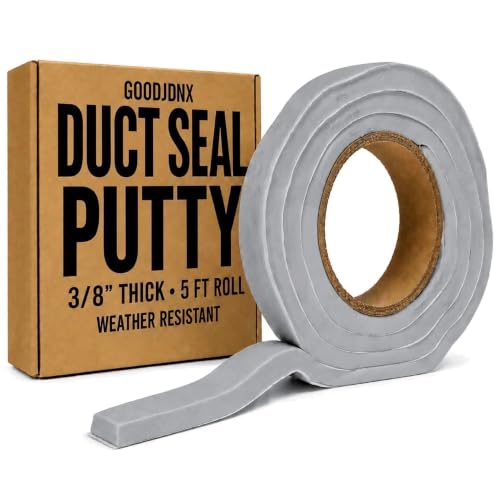
Duct Seal Putty, Waterproof Sealant Mastic for HVAC & Pipe Openings, 3/8" Thick Moldable Gap Sealer, Flexible Duct Sealant for Wall Penetrations, Weather Resistant, 5 FT
Check price on Amazon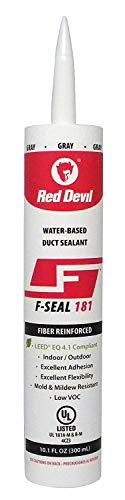
Red Devil 0846DX F Seal 181 Fiber Reinforced Water Based Duct Sealant, 10.1 oz., Gray, 1 Pack
Check price on Amazon
RectorSeal Duct Seal 81881 Duct Seal Compound, Easy Application, HVAC, 5 lb
Check price on Amazon
No. 7 Mastic® Premium Air Duct Sealing Kit Grey
Check price on Amazon
Red Devil 0841DW F-Seal 181 Fiber Reinforced Water Based Duct Sealant, 1 Gallon, White
Check price on Amazon
3M Aluminum Foil Tape 3340, 2.5" x 50 yd, 4.0 mil, Silver, 1 Roll | HVAC, Sealing and Patching Hot and Cold Air Ducts, Fiberglass Duct Board, Insulation, Metal Repair
Check price on Amazon