Heat Pump Condenser Replacement: Complete Guide
A heat pump condenser is the outdoor unit that drives both heating and cooling for your home. When it fails, you need clear answers fast: is replacement the right move, what does the process involve, and how do you avoid costly mistakes? This guide walks you through every step so you can decide with confidence.
Understand When to ReplaceWhat Is a Heat Pump Condenser?
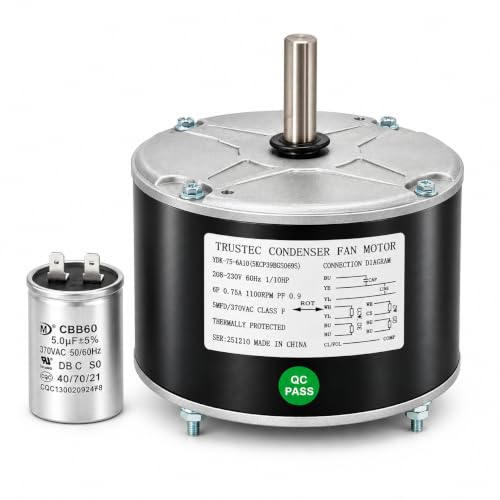
In a heat pump system, the outdoor condenser is the unit that houses the compressor, the outdoor coil, the fan, and the reversing valve. Unlike a standalone air conditioner that only removes heat from your home, a heat pump condenser moves heat in two directions. In cooling mode it releases heat to the outdoors; in heating mode it extracts heat from outside air and moves it indoors.
Because the condenser does the heavy lifting for both seasons, it endures year-round operation. That makes it the component most likely to wear out first. Understanding its role helps you recognize the warning signs of failure and judge whether replacement is the right decision.
Key point: The condenser is not just a summer component. In a heat pump, it is the engine of your winter heating as well, so its condition affects your comfort all year.
When Does a Heat Pump Condenser Need Replacement?
Replacement becomes the sensible option when repairs no longer restore reliable performance or when the unit reaches the end of its service life. Watch for these signals:
Age and Service Life
- The condenser is more than 10 to 15 years old and has a history of repairs.
- Replacement parts are becoming difficult to source.
- The unit uses an older refrigerant that is being phased out.
Performance Symptoms
- The system struggles to heat or cool even after routine maintenance.
- Frequent short cycling or long run times that never reach the set temperature.
- Rising energy consumption without a change in usage habits.
- Ice buildup on the outdoor coil that returns soon after defrosting.
Physical and Mechanical Signs
- A compressor that is noisy, overheats, or trips the breaker.
- Visible corrosion, rust-through, or bent and damaged coil fins.
- Persistent refrigerant leaks that require repeated recharge.
- Oil stains around refrigerant lines, which suggest a leak.
If you notice several of these signs at once, it is time to have the system evaluated by a qualified technician. For a broader look at how heat pumps compare with conventional cooling equipment, see our guide on heat pump vs air conditioner.
Repair vs Replacement: How to Decide
The decision usually comes down to three factors: the age of the condenser, the nature of the failure, and whether the rest of the system is compatible with a new outdoor unit.
| Situation | Typical Recommendation | Why |
|---|---|---|
| Minor fault on a unit under 8 years old | Repair | The condenser still has years of service left, and a targeted repair preserves the investment. |
| Compressor failure on an aging unit | Replace | Compressor replacement on an old condenser often approaches the value of a new outdoor unit. |
| Repeated refrigerant leaks | Replace | Chronic leaks point to coil or line-set deterioration that repairs cannot reliably fix. |
| Indoor air handler is new and compatible | Condenser-only replacement | Keeping the matched indoor components lowers overall disruption and preserves existing ductwork. |
| Whole system is more than 12 years old | Full system replacement | A matched high-efficiency system delivers better long-term reliability and performance. |
Rule of thumb: If the condenser is in its final third of expected service life and a major component fails, replacement is usually the more rational long-term investment.
If you are also weighing a broader upgrade, our overview of heat pump compressor replacement explains how compressor work fits into the larger picture.
The Heat Pump Condenser Replacement Process
Knowing what happens step by step helps you ask better questions and set realistic expectations. A professional replacement typically follows this sequence:
- Assessment and load check. The technician verifies the failure, confirms the system size is appropriate for your home, and checks that the indoor coil and air handler are compatible with the new condenser.
- Refrigerant recovery. Existing refrigerant is recovered according to EPA rules rather than vented. This is both a legal requirement and an environmental one.
- Electrical disconnect and removal. Power is shut off at the breaker, the old unit is disconnected, and the condenser is removed from its pad.
- Pad and line-set inspection. The mounting pad, refrigerant lines, and drain provisions are checked. Damaged line sets are replaced to prevent future leaks.
- New condenser installation. The new unit is set, leveled, and connected. Electrical connections are tightened and checked against the nameplate ratings.
- Evacuation and charging. The system is vacuumed to remove moisture and non-condensable gases, then charged with the correct refrigerant by weight.
- Commissioning and testing. The technician runs the system in both heating and cooling modes, checks pressures and temperatures, and confirms proper airflow.
- Documentation. Warranty registration, permits, and a summary of the work are provided.
A straightforward condenser-only replacement is often completed in a single day. If line sets, electrical work, or indoor components need attention, the project may extend to two days.
For a closer look at how installation details affect long-term reliability, see our guide on furnace and AC installation.
Choosing the Right Replacement Condenser
Not all condensers are interchangeable. The right choice depends on capacity, efficiency, refrigerant compatibility, and how the unit integrates with your existing indoor equipment.
Capacity and Sizing
The replacement should match the heating and cooling load of your home, not simply mirror the old unit's label. A properly sized condenser runs longer, steadier cycles, which improves comfort and reduces wear. Oversized units short cycle and leave rooms clammy.
Efficiency and Tier
Efficiency is usually described using SEER2 for cooling and HSPF2 for heating. Within the market, condensers are commonly grouped into three broad tiers:
- Entry-level tier: solid single-stage performance with standard efficiency, a practical choice when the indoor equipment is older.
- Mid-range tier: two-stage or variable-speed operation with better humidity control and quieter running.
- Premium tier: fully variable-speed, top-tier efficiency, and the smoothest temperature control.
Choose the tier that matches your comfort priorities and the capabilities of your indoor unit. For more on high-efficiency options, see high efficiency air conditioner units.
Compatibility Checks
- Refrigerant type must match the indoor coil and metering device.
- Electrical requirements, including voltage and breaker size, must be satisfied.
- The thermostat and control board must communicate correctly.
- The physical footprint must fit the existing pad and clearances.
Refrigerant Considerations
Refrigerant regulations are shaping replacement decisions. Older systems commonly use R-410A, which is being phased down in favor of lower-GWP refrigerants such as R-32 and R-454B. If your existing condenser relies on a refrigerant that is being retired, a replacement is often the practical path forward.
Key points to keep in mind:
- Refrigerant must never be mixed between systems; the new condenser and indoor coil must use the same refrigerant.
- If a line set is reused, it must be compatible with the new refrigerant and verified leak-free.
- Recovery and handling must follow EPA refrigerant rules.
For a wider view of system-level options, our overview of HVAC heat pumps covers how condensers fit into complete heating and cooling setups.
Risks of Delaying Replacement
Postponing a needed replacement rarely saves anything in the long run. The most common consequences include:
- Escalating repair frequency. Each new failure signals that other components are also near the end of their life.
- Higher energy use. A failing compressor and dirty coils force the system to run longer.
- Comfort loss. Uneven temperatures, poor humidity control, and cold-weather heating failures.
- Secondary damage. Refrigerant leaks and electrical faults can damage the indoor coil and control board.
- Reduced safety margin. Aging electrical components are a fire and shock risk if left unaddressed.
If your system is showing multiple warning signs, have it inspected promptly. Addressing the condenser early protects the rest of the system and restores dependable comfort.
Frequently Asked Questions
How long does a heat pump condenser last?
A well-maintained heat pump condenser typically lasts between 10 and 15 years. Coil corrosion, compressor wear, and harsh weather conditions are the main factors that shorten its service life.
Can I replace only the condenser without the air handler?
It is technically possible, but it is only recommended when the indoor coil, refrigerant type, and control board match the new condenser. Mismatched components reduce efficiency and may void the warranty.
Is it worth replacing a heat pump condenser or the whole system?
If the air handler and indoor coil are relatively new and compatible, replacing only the condenser is a reasonable choice. If the whole system is more than a decade old, a full replacement is usually the wiser long-term investment.
What refrigerant does a new heat pump condenser use?
New heat pump condensers use low-GWP refrigerants such as R-32 or R-454B, following the phase-down of R-410A. The refrigerant type must match the indoor coil and metering device.