Heat Pump Compressor Replacement Cost: What Homeowners Need to Know
Understand the real factors behind compressor replacement, how to decide between repair and a new unit, and how to protect your long-term investment.
Explore the GuideQuick overview: The heat pump compressor is the heart of your system. When it fails, homeowners face a tough decision: replace the compressor or replace the entire heat pump. This guide breaks down the real variables — system age, refrigerant type, warranty coverage, and tier positioning — so you can make a confident, well-informed decision.
Why the Compressor Is the Most Critical Component
The compressor circulates refrigerant through your heat pump, enabling both heating and cooling. It is the single most complex and hard-working component in the entire system — running thousands of hours per year. Because of this, compressor failure is one of the most serious HVAC problems a homeowner can face, and it is also one of the most misunderstood.
Unlike a fan motor or a capacitor, the compressor is not a minor part. Replacing it involves recovering refrigerant, cutting and brazing copper lines, installing filter driers, evacuating the system, and recharging with new refrigerant. That is why the overall scope of a heat pump compressor replacement cost is driven less by the part itself and more by the labor, refrigerant handling, and diagnostic work involved.
Runs Constantly
The compressor operates in both heating and cooling modes, making it the most utilized component in a heat pump.
High Electrical Load
It draws the most current in the system. Electrical faults, bad capacitors, and voltage spikes are common failure triggers.
Sealed & Sensitive
It is a sealed mechanical unit sensitive to refrigerant charge, oil levels, and contamination. Poor installation shortens its lifespan.
Signs Your Heat Pump Compressor Is Failing
Before you even think about replacement, confirm that the compressor is genuinely the problem. Many issues that look like compressor failure are actually caused by a failed capacitor, a refrigerant leak, a stuck contactor, or a tripped breaker. A qualified technician should always diagnose the system before any replacement decision is made.
- Loud banging or clanking noises coming from the outdoor unit during startup or operation.
- System runs but does not heat or cool — airflow is present but the air is not conditioned.
- Frequent tripping of the breaker whenever the outdoor unit starts.
- Compressor humming but not starting, often accompanied by a clicking sound.
- Burning smell near the outdoor unit, which can indicate electrical failure.
- Ice buildup on the outdoor coil that does not clear during defrost cycles.
- High energy consumption without a corresponding change in comfort.
If you notice any of these symptoms, treat them as urgent. A failing compressor can damage other components — the reversing valve, the expansion valve, and even the indoor coil — if left running. For broader troubleshooting, see our guide on HVAC and heat pump systems or heat pump vs air conditioner comparisons.
Important: A technician's diagnosis should always include voltage and amperage readings, capacitor testing, refrigerant pressure checks, and a visual inspection of the compressor terminals. Never authorize a compressor replacement based on a single symptom.
What Drives the Overall Investment in a Compressor Replacement
Homeowners searching for a clear number often find a wide range of figures online. The truth is that the total investment depends on several interconnected factors. Understanding them helps you evaluate quotes fairly and avoid being overcharged — or under-served.
1. Compressor Type and Tier
Heat pumps use different compressor technologies: single-stage, two-stage, variable-speed (inverter), and in some cases scroll or reciprocating designs. A variable-speed compressor is significantly more complex and positioned higher in the market than a single-stage unit. The tier of the compressor directly affects the replacement scope.
2. Refrigerant Type
Older systems using R-22 require special handling and reclaimed refrigerant, which is heavily regulated and more involved to source. Newer systems use R-410A or the emerging R-32 / R-454B blends. The refrigerant type affects both the regulatory handling and the materials required for a compliant replacement.
3. System Age and Condition
A compressor in a 6-year-old system is a straightforward job. A compressor in a 15-year-old system often reveals secondary problems — corroded coils, failing valves, brittle wiring — that increase the total scope of work. This is why age is one of the most important variables in the repair-versus-replace decision.
4. Labor and Accessibility
Rooftop installations, tight mechanical closets, and long line sets all increase labor time. Access matters as much as the part itself.
5. Warranty Coverage
If the compressor is still under manufacturer warranty, the part may be covered — but labor is often not. Understanding what your warranty covers before authorizing work is essential. See our guide on HVAC and heating for related maintenance context.
6. Additional Components
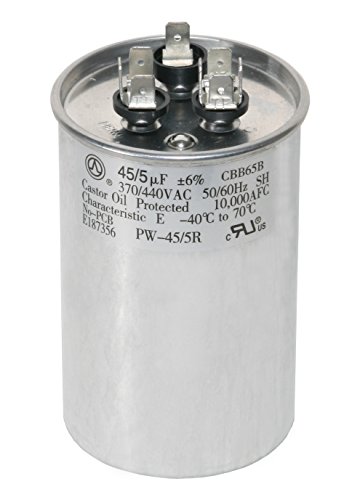
A proper compressor replacement typically also involves a new filter drier, new contactor, new capacitor, and sometimes a new start assist kit. These are not optional upsells — they are standard practice to protect the new compressor and preserve the warranty.
How Compressor Replacements Compare by Market Tier
The table below uses universal market-tier descriptors rather than specific figures. Use it to understand the relative positioning of different replacement scenarios.
| System Category | Typical Tier | Best For |
|---|---|---|
| Single-stage heat pump, standard efficiency | Entry-level to mid-range | Older homes, seasonal use, straightforward replacement |
| Two-stage heat pump, high efficiency | Mid-range to premium | Homeowners wanting balanced comfort and efficiency |
| Variable-speed (inverter) heat pump | Premium to high-end | Whole-home comfort, quiet operation, zoned systems |
| Commercial-grade or dual-compressor system | Professional-grade | Light commercial, large residential, multi-zone buildings |
Repair vs Replace: A Decision Framework
This is the central question for most homeowners. The answer is rarely binary — it depends on the age of the system, the tier of the original unit, and how the replacement scope compares to the value of a new system.
Consider Replacing the Compressor Only When:
- The heat pump is less than 10 years old.
- The compressor is still under manufacturer warranty.
- The rest of the system — coils, valves, cabinet, electrical — is in good condition.
- The refrigerant type is current and readily serviceable.
- The overall scope of work is significantly less than the tier value of a new system.
Consider Replacing the Entire Heat Pump When:
- The system is 12 years or older.
- The compressor is not the only failing component.
- The system uses an obsolete refrigerant.
- The replacement scope approaches or exceeds half the tier value of a new system.
- You are planning to stay in the home long-term and want a fresh warranty.
Not Sure Whether to Repair or Replace?
Get a professional assessment from a qualified HVAC technician before making any decision. A second opinion is often the best investment you can make.
Explore Condenser Replacement OptionsHow Warranty Changes the Equation
Compressor warranties vary widely between manufacturers and tiers. Most premium and high-end systems include a 10-year limited compressor warranty, while entry-level systems may offer 5 years. However, the warranty usually covers the part, not the labor, refrigerant, or ancillary components.
If your system is still under warranty, always contact the manufacturer or an authorized dealer before authorizing work. Unauthorized repairs can void coverage. For related reading on keeping your system covered, see HVAC maintenance service.
Pro tip: Keep your installation paperwork and annual maintenance records. Many manufacturers require documented maintenance to honor compressor warranties.
How to Protect Your Compressor and Avoid Premature Failure
Compressor failure is rarely random. In most cases, there is a preventable root cause — a slow refrigerant leak, a failing capacitor, dirty coils, or chronic short cycling. Regular maintenance is the single most effective way to protect your investment.
Replace Air Filters
Change filters every 1–3 months. Restricted airflow forces the compressor to work harder and can cause overheating.
Clean Outdoor Coils
Dirty condenser coils reduce heat transfer and increase compressor load. A seasonal rinse is a simple but powerful habit.
Schedule Annual Tune-Ups
Technicians check refrigerant charge, capacitors, contactors, and electrical connections. See HVAC preventative maintenance.
Fix Refrigerant Leaks
Low refrigerant is a leading cause of compressor failure. Never simply "top off" a system — find and fix the leak.
Monitor Electrical Components
Capacitors and contactors are inexpensive parts that protect the compressor. Failing to replace them can lead to much bigger problems.
Prevent Short Cycling
A properly sized system and correct thermostat settings reduce on/off cycling, which is a known compressor killer.
For a deeper dive into maintaining related components, see our guide on furnace cleaning service and HVAC cleaning and service.
What to Expect During a Compressor Replacement
Understanding the process helps you evaluate quotes and ask the right questions. A professional compressor replacement typically follows these steps:
- Diagnosis and confirmation — voltage, amperage, capacitor, and refrigerant checks.
- Refrigerant recovery — all refrigerant is recovered into a certified recovery cylinder.
- Electrical disconnect and compressor removal — the old compressor is cut out from the line set.
- Installation of new filter drier — a critical step that is often skipped by untrained technicians.
- Brazing and leak testing — the new compressor is installed and the system is pressure tested.
- Vacuum and dehydration — moisture is removed from the system before charging.
- Recharge and commissioning — refrigerant is weighed in per manufacturer specs and the system is tested in both heating and cooling modes.
Skipping the filter drier, vacuum, or proper recharge is one of the most common causes of premature failure of a replacement compressor.
Key Takeaways
- The compressor is the most complex and expensive component in a heat pump.
- Diagnosis must always come before replacement — many "compressor failures" are capacitor or refrigerant issues.
- System age, refrigerant type, warranty, and tier positioning determine whether repair or replacement makes sense.
- Proper installation — filter drier, vacuum, weighed charge — is critical for long-term reliability.
- Regular maintenance is the most effective protection against premature failure.
Frequently Asked Questions
Ready to Explore Your Options?
Compare features and read full reviews before making a decision. Learn first, understand your needs, then choose the right solution for your home.
Start Learning