Heating and Air Duct Cleaning: A Complete Homeowner Guide
Your ductwork is the circulatory system of your home comfort. Every heated and cooled breath of air travels through it. This guide explains how professional heating and air duct cleaning works, why it matters for indoor air quality and HVAC efficiency, how to recognize when cleaning is due, and how to choose a service you can trust.
Explore Recommended EquipmentWhat You Will Learn on This Page
- Why heating and air duct cleaning matters
- Warning signs your ducts need attention
- What professional duct cleaning actually includes
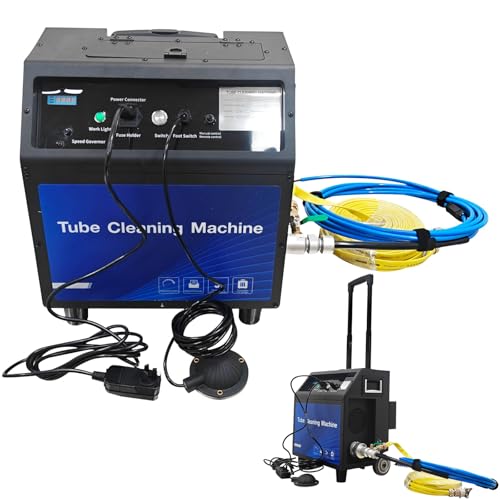
- Cleaning methods and equipment explained
- How often should ducts be cleaned?
- Benefits for airflow, air quality, and efficiency
- How to choose a reputable duct cleaning provider
- What homeowners can safely do themselves
- What to expect after cleaning
- Frequently asked questions
Why Heating and Air Duct Cleaning Matters
Ductwork carries conditioned air from your furnace, heat pump, or air handler to every room in the house. Over years of operation, dust, pet dander, pollen, construction debris, and even biological growth can accumulate on duct walls, turning the network into a reservoir for contaminants. Each time the blower runs, some of that material becomes airborne again and lands in living spaces.
Duct cleaning is the systematic removal of that accumulated material using specialized vacuums, brushes, and air whips. It is not a cosmetic service — it directly affects how hard your equipment works, how evenly rooms heat and cool, and what you breathe. Homeowners researching heating and air conditioning performance often discover that dirty ducts are an overlooked factor behind uneven temperatures and elevated energy use.
It also protects the equipment itself. When the supply and return paths are restricted, the blower motor works against higher static pressure, and the evaporator coil can become coated with debris that reduces heat transfer. Keeping the air path clean supports efficient operation of the entire heating and air units system and extends component life.
Warning Signs Your Ducts Need Attention
Duct contamination rarely announces itself loudly, but several practical signals point to a system that needs evaluation:
- Visible debris at registers: Dust streaks around supply grilles or dark residue on the diffuser vanes.
- Persistent dust after cleaning: Surfaces resettle with dust within a day or two of cleaning.
- Musty or stale odors: Odors that appear when the blower starts often indicate microbial growth or debris in the ducts.
- Uneven room temperatures: Restricted airflow in one branch can leave rooms warmer or cooler than the rest of the house.
- Allergy symptoms indoors: Symptoms that worsen at home and ease when away may point to airborne contaminants.
- Recent renovation or rodent activity: Drywall dust, sawdust, and nesting material are common contaminants that warrant professional cleaning.
- Excessively dusty filter: Filters loading far faster than expected suggest debris is being stirred up upstream.
If you notice several of these signs, a professional inspection is the reasonable next step. An inspection determines whether cleaning is justified and identifies any duct integrity problems that should be addressed at the same time.
What Professional Duct Cleaning Actually Includes
Reputable providers follow a defined process rather than a quick vacuum at each register. A complete service typically includes:
- System inspection: Access panels are opened, and the technician inspects trunk lines, branch runs, boots, and the air handler. Photos are often taken before and after.
- Source control: Registers and grilles are removed, and the system is configured so that the cleaning does not push debris into living spaces.
- Negative pressure setup: A high-capacity vacuum connects to the main trunk or a dedicated access port, creating negative pressure that contains dislodged material.
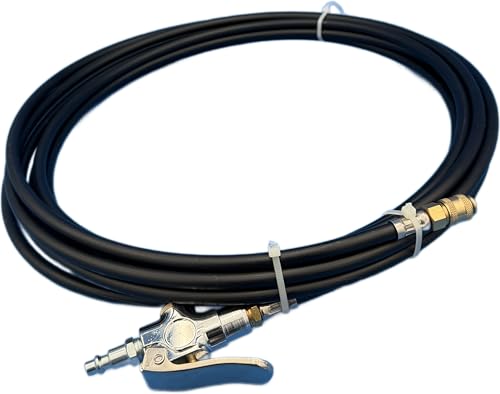
- Mechanical agitation: Rotary brushes, air whips, and compressed-air tools loosen debris from duct walls so the vacuum can remove it.
- Cleaning of components: The blower wheel, evaporator coil, drain pan, and accessible plenum areas may be cleaned or assessed during the visit.
- Verification and documentation: The technician confirms airflow, shows before-and-after evidence, and notes any needed repairs.
The scope should be spelled out in the written estimate. A service that only vacuums return grilles without addressing the trunk lines is not a complete duct cleaning.
Cleaning Methods and Equipment Explained
Professional duct cleaning relies on a combination of containment and agitation tools. Understanding them helps you ask the right questions when comparing providers.
| Method or Tool | What It Does | Best For |
|---|---|---|
| Negative-pressure vacuum truck or portable HEPA unit | Maintains continuous suction on the duct system so loosened debris is captured, not released indoors. | Whole-home cleaning; containment during agitation |
| Rotary brush system | Mechanically scrubs duct walls with flexible brushes sized to the duct cross-section. | Rigid sheet-metal trunk lines and branch runs |
| Air whip / compressed-air nozzles | Uses high-velocity air to dislodge debris from corners and irregular surfaces. | Flexible duct and hard-to-reach transitions |
| HEPA filtration with contact vacuum | Traps fine particulates at the source and cleans accessible components such as the blower and coil. | Air handler, plenum, and register boots |
| Video inspection camera | Documents conditions inside concealed duct runs before and after cleaning. | Verification and quality assurance |
Source removal is the defining principle: contaminants must be captured and taken out of the system, not merely redistributed. Ask whether the provider uses negative pressure for the entire cleaning, and whether flexible duct runs are cleaned with tools appropriate for their construction.
How Often Should Ducts Be Cleaned?
There is no single interval that fits every home. The condition of the system matters more than a rigid calendar. As a practical baseline, many single-family homes benefit from an evaluation every three to five years, with cleaning performed when the inspection justifies it.
Certain conditions call for more frequent attention:
- Homes with multiple pets or occupants with respiratory sensitivities.
- Households that smoke indoors.
- Recent remodeling, especially work that generated drywall dust or sawdust.
- History of pest or rodent activity in duct chases.
- Water intrusion or high humidity that may have supported biological growth.
- Newly purchased homes with unknown maintenance history.
- Systems where the filter is consistently overloaded.
For homeowners planning broader comfort upgrades, duct cleaning pairs naturally with a review of the thermostat schedule and an assessment of the HVAC system as a whole. Cleaning is also a sensible first step before pursuing other indoor air quality improvements.
Benefits for Airflow, Air Quality, and Efficiency
Improved airflow and comfort
Dust buildup on duct walls and at transitions raises resistance to airflow. Removing it reduces static pressure, so registers deliver closer to their designed volume. Rooms that were chronically under-served often show noticeably better temperature balance after a thorough cleaning.
Cleaner indoor air
Duct cleaning removes the accumulated reservoir of dust and debris that can be re-entrained into the air stream. Paired with a correctly sized high-efficiency filter, it lowers the load on indoor air quality and supports a healthier environment for occupants.
Support for equipment efficiency
A clean air path allows the blower and coil to perform as designed. Reduced restriction lowers blower strain, and a clean evaporator coil transfers heat more effectively. In the long run, this supports efficient operation and can contribute to a longer service life for the heating and air system.
Early detection of problems
The inspection that accompanies cleaning often reveals disconnected joints, crushed flexible runs, or leaks that were silently wasting conditioned air. Catching these during a cleaning visit turns a maintenance task into a diagnostic opportunity.
How to Choose a Reputable Duct Cleaning Provider
The duct cleaning industry includes excellent specialists and some providers who rely on aggressive upselling. A little preparation protects your home and your confidence in the work.
- Ask for proof of the process: A credible provider explains the negative-pressure setup, the agitation tools used, and the access points required.
- Request a written scope: The estimate should list exactly what will be cleaned and any components included, such as the blower or coil.
- Check credentials and insurance: Confirm the company carries liability coverage and that technicians are trained on the equipment they use.
- Be cautious of blanket claims: Promises that every home needs cleaning, or that cleaning alone will cure every air quality concern, are red flags.
- Review documentation practices: Before-and-after photos and a written summary of findings are signs of a professional operation.
- Look for related expertise: Providers who also handle heating and air conditioning units and duct repair can address issues discovered during cleaning.
Local research matters. Homeowners often begin by searching for heating and air duct cleaning services, then refine their shortlist by asking about method, documentation, and insurance. For broader service comparisons, resources covering home duct cleaning services and home vent cleaning services help set realistic expectations for the scope of a complete visit.
Pre-Service Checklist for Homeowners
- Clear access to the furnace, air handler, and all return grilles.
- Note any rooms with weak airflow or persistent odors to mention to the technician.
- Confirm whether the service includes the air handler and coil or ductwork only.
- Ask how the provider contains debris and protects furnishings.
- Request the documented before-and-after findings after the visit.
What Homeowners Can Safely Do Themselves
Full system cleaning requires professional equipment, but routine maintenance at the surface level is within reach for most homeowners:
- Replace filters on schedule: A fresh filter prevents new debris from entering the system and keeps the blower cleaner.
- Vacuum and wipe registers: Remove grilles, wash them, and vacuum the visible boot area with a brush attachment.
- Keep returns unobstructed: Furniture and rugs should not block return air paths.
- Check accessible duct connections: Look for disconnected joints or crushed flexible duct in unconditioned spaces and report findings to a professional.
- Control dust at the source: Regular home cleaning, entry mats, and prompt cleanup after projects reduce the load on the system.
Do not attempt to insert shop vacuums or improvised tools deep into duct runs. Improper cleaning can dislodge debris into the air stream or damage flexible duct lining. For homeowners considering broader comfort upgrades after cleaning, resources on heating and cooling options for small homes and ductless heating and air conditioning units can help frame future decisions.
What to Expect After Cleaning
Immediately after cleaning, you may notice a slight increase in airborne dust as fine particles settle; this is temporary and typically clears within a day. Airflow at registers often feels stronger, and rooms may reach target temperatures more evenly.
Expect the technician to walk through findings: any damaged duct sections, disconnected joints, or filtration recommendations. If duct sealing or repair is advised, treat it as a separate decision and request a written scope. Cleaning restores the interior condition of the ducts; sealing preserves the gains by preventing leaks from reintroducing contaminants and wasting conditioned air.
To maintain results, replace filters on schedule, keep the blower compartment clean, and schedule an evaluation when warning signs return. For homes with older equipment, pairing duct maintenance with a review of heating and air conditioning performance helps determine whether upgrades are worthwhile.
Frequently Asked Questions
How often should heating and air ducts be cleaned?
Most homes benefit from duct cleaning every three to five years. Homes with pets, smokers, recent renovations, or allergy sufferers may need cleaning more frequently, while a certified technician can assess visible contamination to recommend the right interval.
Does duct cleaning really improve indoor air quality?
Yes. Removing accumulated dust, debris, and biological growth from ducts reduces the particles that circulate through supply registers. Combined with proper filtration and sealing, cleaning helps lower airborne contaminants and supports healthier indoor air.
What is the difference between duct cleaning and duct sealing?
Duct cleaning removes contaminants from inside the ductwork, while duct sealing closes leaks at joints and seams. Cleaning addresses air quality and airflow obstruction, and sealing addresses energy loss; together they deliver the strongest efficiency gains.
Can I clean my own air ducts?
Homeowners can handle light surface cleaning at registers and grilles, but professional equipment such as negative-pressure vacuums and rotary brushes is required for thorough cleaning of the full duct system, especially in concealed runs.
How long does a professional duct cleaning take?
A typical single-family home with one HVAC system takes roughly three to five hours with a two-person crew. Larger homes, multiple systems, or heavy contamination can extend the visit to a full day.
Should duct cleaning be done before or after HVAC maintenance?
Schedule duct cleaning close to seasonal HVAC maintenance so the technician can verify the blower, coils, and filter after debris removal. Cleaning first, then a tune-up, ensures the system runs clean for the season ahead.