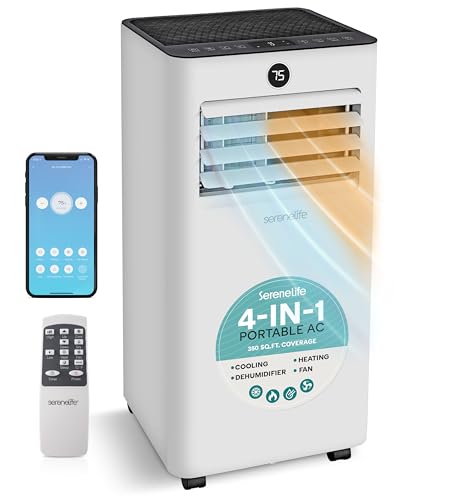
Heating and Cooling Portable Air Conditioner: Your Year-Round Comfort Solution
Discover how dual-function portable air conditioners deliver both cooling in summer and supplemental heating in cooler months. Learn how these units work, how to size them correctly, and what to check before you commit to a purchase.
Start LearningResearch first, decide later: Most visitors arriving on this page already know they want a portable unit that can both cool and heat. What they need is clarity on performance, venting, and long-term reliability. This guide gives you exactly that—without the guesswork.
What Is a Heating and Cooling Portable Air Conditioner?
A heating and cooling portable air conditioner is a freestanding appliance that combines two functions in one cabinet: it cools indoor air during warm months and provides supplemental heat during cooler months. Unlike a standard portable AC that only cools, these dual-function units integrate a reversing refrigerant cycle or an auxiliary electric heater, allowing the same machine to serve your room across seasons.
These units are especially useful for rooms without ductwork, rented apartments, home offices, converted garages, and older homes where installing a full split system is impractical. If you are weighing options for a compact living space, the broader heating and cooling options for small homes guide can help you compare portable units against window and mini-split alternatives.
Most models require a window vent kit for cooling, and many also require venting during heat-pump heating. A smaller subset uses electric resistance heating that does not need an exhaust hose, but those models consume more electricity for the same heat output.
How Dual-Function Portable Units Work
Understanding the mechanics helps you evaluate whether a given model fits your climate and room layout.
Cooling Mode
In cooling mode, the unit draws warm indoor air across an evaporator coil. Refrigerant absorbs the heat, and the compressor moves it to the condenser coil. A fan then expels the heat outdoors through the exhaust hose. Moisture removed from the air collects in a condensate tank or drains continuously through a hose.
Heating Mode
Heat-pump models reverse the refrigerant flow using a reversing valve. The outdoor-side coil becomes the evaporator, extracting ambient heat from outside air even when temperatures are cool, and the indoor coil releases that heat into your room. Because it moves heat rather than generating it, a heat pump is typically more efficient than a resistance heater for the same warmth.
Backup Electric Heat
Some dual-function models include a resistance heating element that activates when outdoor temperatures fall below the heat pump's effective range. This ensures the unit keeps producing warmth, though at higher energy consumption. Check the manufacturer's stated lower operating limit before relying on heat-pump mode in cold conditions.
Venting matters in both modes: During cooling, the hose carries hot air out. During heat-pump heating, the hose carries cold air out. A poorly sealed window kit lets outdoor air back in, reducing efficiency in either season.
Advantages and Limitations
Strengths
- One appliance covers cooling and supplemental heating
- No permanent installation or ductwork required
- Moves easily between rooms
- Heat-pump models are efficient in mild climates
- Useful for renters and temporary spaces
Limitations
- Heating output drops in freezing outdoor temperatures
- Requires window venting in most configurations
- Condensate must be drained regularly
- Noise levels are higher than split systems
- Not a substitute for whole-home HVAC
For a wider comparison of portable units against other formats, see the main portable air conditioner overview, which covers single-function models, window kits, and maintenance basics.
How to Size a Portable Heat Pump for Your Room
Sizing determines whether the unit cools and heats effectively without overworking the compressor. The widely used rule of thumb is roughly 20 BTU of cooling capacity per square foot of floor area, adjusted for ceiling height, sun exposure, occupancy, and appliance load.
| Room Area | Cooling Capacity (BTU) | Typical Use Case |
|---|---|---|
| Up to 150 sq ft | 5,000 – 6,000 BTU | Bedroom, small office, dorm |
| 150 – 250 sq ft | 8,000 – 10,000 BTU | Studio, medium bedroom, den |
| 250 – 400 sq ft | 12,000 – 14,000 BTU | Living room, open-plan space |
| 400 – 600 sq ft | 14,000 – 18,000 BTU | Large living area, loft |
Heating capacity is usually specified separately, often in BTU as well. Because heat-pump output declines as outdoor temperature drops, choose a unit with a heating rating close to or above the cooling rating if winter warmth is a primary concern. For spaces with unusual layouts, the heating and cooling units for individual rooms page offers additional sizing scenarios.
If your space is larger than a single portable unit can handle, consider whether a heating and air split unit or a ductless heating and air conditioning unit would be a better long-term fit.
Market Tiers: Essential, Balanced, and Premium
Portable heating and cooling units fall into recognizable tiers based on build quality, feature depth, and refinement. The table below uses neutral tier descriptors rather than any numeric figures, so the guidance remains useful over time.
| Tier | Best For | Typical Characteristics |
|---|---|---|
| Essential Tier | Occasional use, smaller rooms, temporary setups | Basic cooling and heating modes, manual controls, simpler vent kits, standard filter access |
| Balanced Tier | Everyday year-round use in a primary room | Digital thermostat, programmable timer, improved airflow, quieter operation, easier drainage |
| Premium Tier | Frequent use, larger spaces, users who value refinement | High-efficiency heat pump, low-noise fan curves, smart connectivity, self-evaporation, robust vent sealing |
In general, balanced-tier models offer smoother mechanisms and better temperature stability than entry-level units, while premium-tier units add advanced controls and quieter operation. Choose the tier that matches how often the unit will run and how much comfort precision you expect.
Key Features That Matter
Dual-Function Capability
Confirm the unit explicitly offers both cooling and heating modes. Some listings mention “heat” but refer only to a fan or a very small resistance element. Look for a reversing valve or a clearly stated heat-pump mode.
BTU Ratings for Both Modes
Check cooling BTU and heating BTU separately. A unit that cools a room well may deliver noticeably less warmth in heating mode, especially as outdoor temperatures fall.
Venting and Window Kit Quality
A well-sealed window kit with adjustable panels and insulated hose covers reduces air leakage. This matters in both seasons, since a loose kit undermines efficiency.
Condensate Management
Self-evaporation features reduce how often you empty the tank. Continuous drain options are helpful for long unattended runs. For related troubleshooting, the heating and cooling repair in my area page covers common service issues.
Controls and Programmability
Digital thermostats, timers, and remote controls improve usability. Smart connectivity allows scheduling and remote adjustment, which is useful if the unit runs in a home office or guest room.
Noise Level
Portable units are generally louder than split systems. If the room is a bedroom or office, compare decibel ratings and look for low-fan-speed modes.
Energy efficiency note: Heat-pump heating is typically more efficient than resistance heating for the same warmth. If winter performance is important, prioritize a unit with a strong heat-pump mode and a clearly stated lower operating temperature.
Maintenance and Care
Regular maintenance keeps both cooling and heating performance steady and extends the working life of the unit.
- Filters: Clean or replace every two to four weeks during heavy use. Clogged filters reduce airflow and strain the compressor.
- Condensate tank: Empty regularly, or connect a continuous drain hose for long runs.
- Exhaust hose: Inspect for kinks, tears, and loose connections. A leaking hose lowers efficiency in both modes.
- Coils: Clean the evaporator and condenser coils at the start of each season.
- Window kit: Re-seal gaps before summer and before winter heating season.
- Professional check: An annual inspection catches refrigerant and electrical issues early.
If the unit stops cooling or heating, the heating and cooling service page outlines diagnostic steps. For ductwork-related concerns in a home with central systems, see heating and air duct cleaning.
Buying Checklist
- Measure your room and match cooling BTU to square footage.
- Check heating BTU and the stated lower outdoor operating temperature.
- Confirm the unit vents through a window and that the kit fits your window type.
- Review condensate handling: self-evaporation or continuous drain.
- Compare noise ratings if the room is a bedroom or office.
- Decide whether smart controls and scheduling are important to you.
- Verify warranty terms and local service availability.
If you are also considering a wall-mounted option for a permanent room, the heating and air conditioning wall units guide explains how those compare to portable units.
Frequently Asked Questions
How does a heating and cooling portable air conditioner work?
A dual-function portable air conditioner uses a reversing valve or integrated heat pump to alternate between cooling and heating modes. In cooling mode it removes heat from indoor air and exhausts it outside through a hose. In heating mode the refrigerant cycle reverses, drawing heat from outdoor air and releasing it indoors.
What size portable AC with heat do I need for my room?
As a general rule, allow about 20 BTU of cooling capacity per square foot of floor space. A 300 square foot room typically needs a 6,000 to 8,000 BTU unit, while a 500 square foot space calls for roughly 10,000 to 12,000 BTU. Always verify the manufacturer's recommended room size.
Can a portable heat pump replace a regular heater?
A portable heat pump can supplement or replace space heating in mild climates, but performance drops sharply in freezing temperatures. Many dual-function models automatically switch to a backup electric heater below a certain outdoor temperature. For whole-home heating in cold climates, a dedicated furnace or heat pump system remains the better choice.
Do portable heating and cooling units need to be vented?
Yes. In cooling mode, a portable AC must exhaust hot air through a window hose. In heating mode, most dual-function models also require venting because the unit expels cold outdoor air. A few models offer ventless heating via electric resistance, but vented heat pump operation is more energy efficient.
How often should I maintain a portable heat pump?
Clean or replace the air filter every two to four weeks during heavy use. Drain the condensate tank regularly, inspect the exhaust hose for kinks or leaks, and clean the coils at the start of each season. An annual professional inspection extends the life of the unit.
Ready to Compare Models?
You now understand how dual-function portable units work, how to size them, and what features matter. The next step is to compare specific models that match your room size and climate. Browse our curated selection below to find the right fit for your space.
View Recommended Models