Heating and Cooling Units for Individual Rooms
Everything you need to know about choosing, sizing, and installing a dedicated heating and cooling unit for a single room — from ductless mini-splits to window units and wall heaters.
Explore Room Unit TypesWhy individual room units make sense: Most households do not need to condition every square foot all day. A room-by-room approach lets you cool the bedroom at night, heat the home office in the morning, and leave unoccupied spaces untouched — a strategy that is efficient in the long run and gives each occupant independent control.
If you are researching heating and cooling units for individual rooms, you have likely reached a key decision point: you know you need comfort in a specific space, but you are not sure which system type is the right fit. Maybe your home lacks ductwork. Maybe the central system does not reach a converted garage or a finished basement. Or maybe you simply want to stop paying to condition rooms nobody is using.
This guide is written for that exact stage of research. We will walk through the main categories of single-room comfort systems, explain how heating and cooling work together in one unit, cover sizing fundamentals, and outline installation and maintenance considerations — so you can make a confident, well-informed decision.
A single-room unit is any system designed to condition one enclosed space independently of the rest of the home. That broad definition includes ductless mini-splits, window air conditioners, portable units, through-the-wall units, baseboard and wall heaters, and hybrid systems that combine both functions in one chassis. The right choice depends on your climate, your home's construction, your room's characteristics, and how you plan to use the space.
Types of Heating and Cooling Units for Individual Rooms
Ductless Mini-Split (Heat Pump)
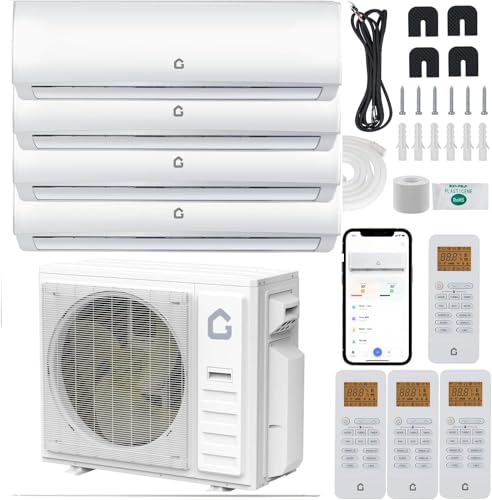
The most complete single-room solution. One outdoor compressor connects to one indoor air handler, delivering both heating and cooling through a reversing valve. No ductwork required.
- Best for year-round comfort
- Quiet indoor operation
- High energy efficiency
- Requires professional installation
Window Air Conditioner
A self-contained cooling unit that mounts in a double-hung window. Many modern models also include a heat pump or electric heat function for shoulder-season warmth.
- Simple installation
- Cooling-first design
- Some models add heating
- Window space required
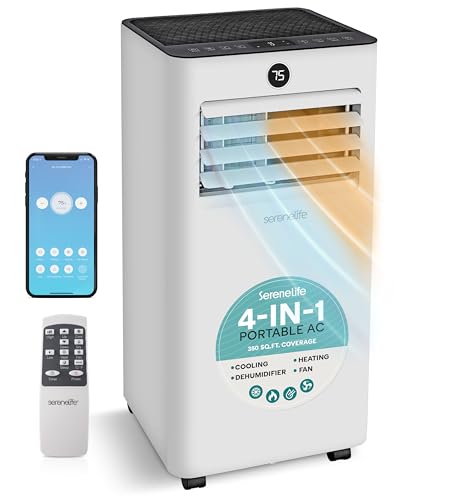
Portable Air Conditioner
A rolling unit that vents through a window kit. Ideal for renters or rooms where permanent installation is not possible. Heating-capable models exist but are less common.
- No permanent mounting
- Movable between rooms
- Vent kit required
- Best for spot cooling
Through-the-Wall Unit
A permanent wall-sleeve unit similar in operation to a window AC but installed through an exterior wall. Often available with electric heat strips.
- Permanent installation
- Frees window space
- Heating option available
- Wall modification needed
Wall & Baseboard Heaters
Dedicated heating appliances for rooms that already have a cooling solution or live in mild climates. Panel convection, fan-forced, and oil-filled designs are common.
- Heating only
- Simple retrofit
- Localized warmth
- Pair with a cooling unit
High-Velocity Mini-Duct
A compact ducted system that uses small-diameter tubing to serve one or two rooms. Useful in older homes where conventional ductwork is impractical.
- Hidden installation
- Heating and cooling
- Small duct footprint
- Specialized installer needed
For a deeper look at ductless options, see our guide to heating and air conditioning units ductless. If you are specifically comparing split-style systems, the heating and air split unit overview explains how indoor and outdoor components work together. And if you are weighing a combined system for the whole home, the combined heating and cooling units page provides useful context.
How a Single-Room System Delivers Both Heating and Cooling
The most versatile single-room units are heat pumps. In cooling mode, the system absorbs heat from indoor air and releases it outdoors through the refrigerant cycle. In heating mode, a reversing valve flips the flow so the system extracts heat from outdoor air and moves it indoors — even in cold weather, because there is always some thermal energy in the air.
This is fundamentally different from electric resistance heating, which generates heat from scratch. Because a heat pump moves heat rather than creating it, it can deliver several units of heat energy for each unit of electricity consumed. That efficiency advantage is why ductless heat pumps have become the default recommendation for individual rooms in many climates.
Not every room unit is a heat pump. Window ACs and portable ACs are primarily cooling appliances; some add electric heat strips or a heat-pump function. Dedicated wall heaters and baseboard heaters provide heating only. The right combination depends on whether you need both functions or just one.
To understand the broader HVAC context, including how thermostats coordinate room-level equipment, visit our heating and air conditioning hub and the heating and air conditioning thermostat guide.
Room Unit Comparison at a Glance
| Unit Type | Heating + Cooling | Best For | Installation | Tier |
|---|---|---|---|---|
| Ductless Mini-Split | Yes (heat pump) | Year-round comfort, bedrooms, offices | Professional | Top-tier |
| Window AC | Cooling; some with heat | Bedrooms, apartments, renters | DIY-friendly | Mid-tier |
| Portable AC | Cooling; limited heat | Rentals, temporary spaces | No mounting | Essential tier |
| Through-the-Wall | Cooling + electric heat | Permanent single-room installs | Professional | Mid-tier |
| Wall / Baseboard Heater | Heating only | Supplemental warmth, mild climates | Simple retrofit | Entry-level |
| High-Velocity Mini-Duct | Yes (heat pump) | Older homes, discreet installs | Specialized pro | Premium |
Sizing a Unit for One Room
Sizing is the single most important technical decision. An undersized unit runs continuously and never quite reaches the set point. An oversized unit short-cycles — cooling the air quickly but leaving humidity high and creating uneven temperatures. Both outcomes waste energy and reduce comfort.
The starting point is the room's square footage and a BTU-per-square-foot estimate. For average conditions, roughly 20 BTU per square foot is a common baseline. A 150-square-foot bedroom lands near 5,000–6,000 BTU; a 300-square-foot living room lands near 8,000–10,000 BTU; a 450-square-foot open space lands near 12,000 BTU. These are starting points, not final answers.
Adjust upward for high ceilings, large or unshaded windows, poor insulation, south- or west-facing exposure, and multiple occupants. Adjust downward for heavy shade, excellent insulation, and basement placement. For heating, the climate zone matters: cold-climate heat pumps are rated for lower outdoor temperatures and should be selected accordingly.
For a structured method, use our BTU calculator by room size and the how to size an air conditioner walkthrough. If you want to understand whole-home load calculation principles, the Manual J method is the professional standard.
Placement and Installation Considerations
Indoor placement affects airflow, noise, and efficiency. For a mini-split air handler, mount it high on a wall where supply air can wash across the ceiling and return air can circulate freely. Avoid directing the airstream at where someone sits or sleeps. Keep the unit away from heat sources and obstructions.
The outdoor unit needs clearance for airflow and service access, and it should be positioned to minimize refrigerant line length and elevation change. Long line sets reduce capacity, so the closer the indoor and outdoor units, the better the performance.
Window units require a secure window frame, proper support, and a slight outward tilt for drainage. Portable units need a window vent kit and enough floor space for the exhaust hose to route without sharp bends. Through-the-wall units require cutting an exterior wall and installing a sleeve — a job best handled by a professional.
Electrical requirements vary. Many small window and portable units run on standard 120V circuits, while larger units and mini-splits often need dedicated 240V circuits. Check your panel capacity before purchasing. Our guide on 110V vs 240V air conditioners explains the differences, and the amps and breaker size reference helps you plan the circuit.
For installation planning in general, the installation guide covers permits, contractor selection, and common mistakes. If you are working with a professional, the how to choose an HVAC contractor checklist is worth reviewing first.
Efficiency Ratings and Long-Term Operation
Efficiency ratings translate directly into long-term operating performance. For cooling, SEER2 (and its predecessor SEER) measures seasonal efficiency; higher numbers mean less energy per unit of cooling. For heating, HSPF2 measures heating seasonal performance. EER2 captures efficiency at peak conditions.
Inverter-driven compressors — common in modern mini-splits — vary their speed to match load instead of cycling on and off. This produces steadier temperatures, quieter operation, and better part-load efficiency. Our inverter AC explainer and the inverter vs non-inverter comparison go deeper on the tradeoffs.
If efficiency is a priority, review the SEER rating guide and the SEER vs SEER2 DOE standards overview. For whole-home context on efficient equipment, the high-efficiency heating and air conditioning page is a useful reference.
Zone control also contributes to efficiency. Conditioning one room instead of the whole house avoids waste, and pairing the system with a programmable or smart thermostat adds scheduling intelligence. Our thermostat guide explains how to set schedules that match occupancy.
Maintenance for Single-Room Units
Regular maintenance preserves efficiency and extends equipment life. The essentials are consistent across unit types: clean or replace filters, keep coils clean, clear drains, and inspect seals and connections.
- Filters: Rinse or replace every two to four weeks during heavy use. A clogged filter restricts airflow and forces the system to work harder.
- Coils: Clean evaporator and condenser coils seasonally. Dust and debris on coils reduce heat transfer and efficiency.
- Drainage: Clear the condensate drain to prevent water backups and mold growth. Portable units require regular water tank emptying.
- Outdoor unit: Keep the area around the condenser clear of leaves, grass, and debris. Hose down the coils periodically.
- Professional service: Schedule an annual checkup for mini-splits and through-the-wall units. Technicians check refrigerant charge, electrical connections, and component wear.
For detailed step-by-step procedures, see the clean AC filter guide, the clean condenser coils walkthrough, and the seasonal AC checklist. If you notice performance problems, the AC not cooling troubleshooting guide covers common causes and fixes.
Decision Checklist: Choosing a Unit for One Room
- Confirm whether you need cooling only, heating only, or both functions year-round.
- Measure the room's square footage, ceiling height, and window area.
- Calculate the BTU load and adjust for insulation, sun exposure, and occupancy.
- Check available window space, wall space, and electrical capacity.
- Decide between DIY installation and professional installation.
- Compare efficiency ratings (SEER2, HSPF2) within the same tier.
- Review noise ratings, especially for bedrooms and home offices.
- Plan a maintenance routine before installation day.
Matching the Unit to Your Climate and Room Use
Climate determines whether a cooling-only unit is sufficient or a heat pump is necessary. In hot, humid climates, cooling capacity and humidity control dominate; a mini-split or a well-sized window unit handles both. In cold climates, look for a cold-climate heat pump rated for low outdoor temperatures, or pair a cooling unit with a dedicated heater.
Room use matters too. Bedrooms prioritize quiet operation and steady temperatures, so inverter mini-splits and variable-speed units are strong fits. Home offices need consistent comfort during work hours and benefit from programmable scheduling. Basements and converted garages often have insulation and ductwork challenges that favor ductless solutions. Sunrooms and additions may need a unit sized for higher solar gain.
If your room is in a mobile or manufactured home, the installation constraints differ; see the heating and air conditioning units for mobile homes guide. For small homes overall, the heating and cooling options for small homes overview provides additional context.
Common Mistakes to Avoid
- Oversizing by guesswork: Bigger is not better. Short cycling reduces comfort and efficiency.
- Ignoring the electrical panel: Verify circuit capacity before buying a larger unit.
- Skipping the outdoor unit clearance: Blocked airflow undermines performance and reliability.
- Choosing cooling only in a cold climate: If you need winter warmth, a heat pump is the better long-term choice.
- Neglecting maintenance: Dirty filters and coils quietly erode efficiency over time.
- Improper window installation: A loose or tilted window unit can leak air, water, or both.
Frequently Asked Questions
What is the best heating and cooling unit for a single room?
A ductless mini-split is generally considered the most complete solution because it provides both heating and cooling, operates quietly, and delivers high energy efficiency. Window units and portable units are solid alternatives when installation constraints or starter-tier positioning matter.
Do individual room units save energy compared to central systems?
Yes. Zone-based room units condition only the spaces you occupy, avoiding the energy loss associated with conditioning an entire house. In homes with low-occupancy rooms, a room-by-room approach is often more efficient in the long run.
Can a ductless mini-split both heat and cool a room?
Yes. A heat pump mini-split reverses the refrigerant cycle to provide heating in cold months and cooling in warm months. Models rated for cold climates are designed for year-round operation in individual rooms.
How do I size a heating and cooling unit for one room?
Calculate the room's square footage and BTU load, then adjust for ceiling height, window area, insulation, sun exposure, and occupancy. As a rule of thumb, 20 BTU per square foot works for average conditions, but a professional load calculation is the most reliable method.
Do I need a professional installer for a mini-split?
Yes, for most mini-split installations. The system requires refrigerant line connections, vacuuming, and electrical work that require specialized tools and training. Window and portable units are typically DIY-friendly.
Ready to Explore Specific Room Units?
Browse our recommended heating and cooling units for individual rooms below, compare features across tiers, and choose the system that fits your space, climate, and installation constraints.
See Recommended UnitsFor related topics, explore our heating and cooling units for small homes guide, the heating options for a house without ductwork overview, and the portable air conditioner reference. If you are comparing window-style cooling, the window units comparison is a useful next step. And when you are ready to find local help, the heating and cooling companies in my area directory can connect you with qualified contractors.