Heating and Cooling Thermostat: The Ultimate Buying Guide
Everything you need to know before choosing a thermostat for your home — types, smart features, compatibility, installation, and expert recommendations for every comfort level.
Explore Top PicksWhy the thermostat matters more than you think: The thermostat is the brain of your HVAC system. It decides when your heating and cooling equipment turns on, how long it runs, and how much energy your home consumes. Choosing the right one can improve comfort, extend equipment lifespan, and make your home smarter — all with a single upgrade.
Why Upgrading Your Thermostat Is a Smart Move
The thermostat is one of the most overlooked components in a home comfort system, yet it directly influences how your heating and cooling thermostat interacts with your HVAC equipment. A modern thermostat does far more than display temperature — it manages schedules, learns your preferences, and communicates with your heating and air conditioning units to optimize performance.
Whether you are replacing an old dial model or adding smart control to a newer system, understanding the available options helps you make a confident decision. This guide walks you through thermostat types, key features, compatibility checks, and practical installation considerations so you can choose the model that fits your home and lifestyle.
Quick Insight
A properly selected thermostat can reduce unnecessary heating and cooling cycles, improve temperature consistency between rooms, and give you remote control over your home's comfort — all while integrating seamlessly with your existing heating and air conditioning setup.
Types of Heating and Cooling Thermostats
Thermostats fall into several categories, each suited to different budgets and comfort goals. Below is a breakdown of the main types you will encounter when shopping for a heating and cooling thermostat.
Non-Programmable Thermostats
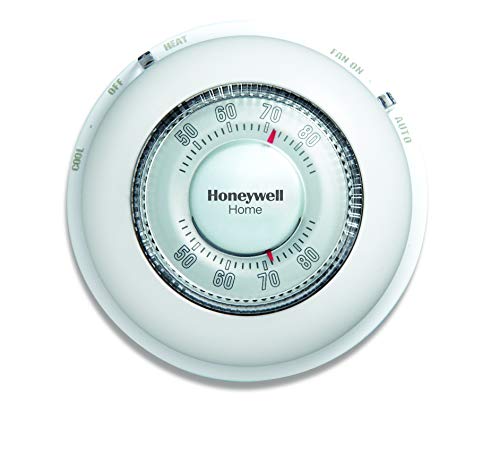
Simple manual models with a dial or basic digital display. You set a temperature and the unit maintains it. Reliable and easy to operate, but offer no scheduling or remote control. Best for occasional-use rooms or simple heating and cooling setups.
Programmable Thermostats
Allow you to set schedules for different times of day and days of the week. A solid step up for households with predictable routines. Many models support separate weekday and weekend programs, helping you align comfort with daily activity patterns.
Smart Thermostats
Connected devices that learn your habits, adjust automatically, and can be controlled from a smartphone. Many integrate with voice assistants and home automation platforms. Ideal for tech-savvy homeowners who want maximum convenience and efficiency.
Heat Pump Thermostats
Designed specifically for heat pump systems, these thermostats manage auxiliary heat and defrost cycles. If your home uses a heating and air split unit or a heat pump, choosing a compatible model is essential for proper operation.
Commercial / Zoned Thermostats
Built for multi-zone systems and larger properties. These support multiple sensors, remote zoning, and advanced scheduling. Often used in homes with a heating and cooling split system serving different areas.
High-End Smart Thermostats
Flagship models with large touchscreens, geofencing, room sensors, air quality monitoring, and deep integration with smart home ecosystems. A long-term investment for homeowners who want the most capable comfort control available.
Key Features to Look For
When comparing models, focus on the features that matter most for your home and routine. The following checklist covers the essentials:
- Compatibility: Confirm the thermostat supports your system type — conventional, heat pump, multi-stage, or dual-fuel. Check the wiring requirements before purchase.
- Scheduling flexibility: Look for 7-day, 5-2, or 5-1-1 programming options if you want different schedules for weekdays and weekends.
- Smart connectivity: Wi-Fi, Bluetooth, or Zigbee support enables app control and integration with platforms like Alexa, Google Home, or Apple HomeKit.
- Geofencing: Automatically adjusts temperature based on whether you are home or away — a convenient feature for irregular schedules.
- Room sensors: Remote sensors help balance temperatures in rooms that tend to run hot or cold, improving overall comfort in larger homes.
- Display and usability: A clear, backlit display and intuitive interface make daily adjustments easier for all household members.
- Power source: Most modern thermostats need a C-wire for continuous power. Battery-powered models exist but may lack advanced features.
- Energy usage reports: Many smart thermostats provide monthly reports that help you understand how your heating and cooling thermostat settings affect energy use.
Thermostat Comparison at a Glance
Use this table to compare the main thermostat categories by tier, capability, and best use case. No prices are shown — instead, each category is described by its market position and typical feature set.
| Tier | Category | Best For | Key Strength |
|---|---|---|---|
| Entry-Level | Non-Programmable | Basic setups, guest rooms, rentals | Simplicity and reliability |
| Mid-Range | Programmable | Households with regular schedules | Set-and-forget comfort scheduling |
| Premium | Smart Thermostat | Tech-savvy homes, remote control needs | Learning, app control, automation |
| Specialty | Heat Pump Thermostat | Heat pump and dual-fuel systems | Proper auxiliary heat management |
| Professional-Grade | Zoned / Commercial | Multi-zone homes and larger properties | Multi-sensor and zone control |
| Luxury | High-End Smart | Flagship comfort and automation | Touchscreen, sensors, deep integration |
Smart Thermostats: Pros and Cons
Smart thermostats are the most talked-about category, but they are not the right fit for every home. Here is a balanced look at what they offer:
Advantages
- Learns your schedule and adjusts automatically
- Remote control via smartphone from anywhere
- Works with voice assistants and smart home hubs
- Geofencing reduces energy use when you are away
- Detailed usage reports and maintenance reminders
- Often integrates with heating and air conditioning units and zoning systems
Considerations
- May require a C-wire or power adapter
- Setup can be more involved than a basic model
- Feature set varies widely between tiers
- Not all models support every HVAC system type
- Over-reliance on app control can be inconvenient if connectivity fails
Checking Compatibility With Your HVAC System
Before committing to any model, verify that it works with your existing equipment. Compatibility is the single most important factor in a successful thermostat upgrade.
- System type: Conventional gas/electric, heat pump, dual-fuel, or multi-stage. Each requires a thermostat with matching support.
- Wiring: Count the wires at your current thermostat. Common labels include R, W, Y, G, C, O/B, and AUX. A C-wire is required for most smart models.
- Voltage: Most residential thermostats use low-voltage (24V) wiring. Line-voltage systems require different equipment.
- Zoning: If your home uses a zoned heating and air conditioning setup, confirm the thermostat supports multiple zones or works with your zone controller.
- Equipment age: Older furnaces and heating and air conditioning units may have unique requirements. When in doubt, consult a professional.
Pro Tip
Take a photo of your current thermostat's wiring before disconnecting anything. This makes installation of the new unit much easier and helps a technician troubleshoot if needed. If you are not comfortable identifying wires, hiring a qualified heating and air conditioning technician is the safer choice.
Installation: DIY or Professional?
Many homeowners successfully replace a thermostat themselves, especially when swapping a like-for-like low-voltage model. However, several situations call for professional help:
- You are unsure about wiring: Misidentifying wires can damage the thermostat or HVAC equipment.
- Heat pump systems: Auxiliary heat and reversing valve wiring require careful configuration.
- No C-wire available: A professional can safely run a new wire or install an adapter.
- Zoned systems: Multi-zone controllers add complexity that benefits from expert setup.
- You want guaranteed results: A professional installation often includes testing and configuration for optimal performance.
If you prefer to handle the installation yourself, follow the manufacturer's instructions carefully, power down the HVAC system at the breaker before starting, and test the new thermostat thoroughly after wiring. For more guidance on system-level considerations, see our overview of heating and cooling service options.
Thermostat Maintenance and Longevity
A thermostat is a durable component, but a few simple habits keep it accurate and responsive for years:
- Replace batteries annually on battery-powered models to avoid unexpected shutdowns.
- Clean the surface and vents gently with a dry cloth — dust buildup can affect internal sensors.
- Avoid direct sunlight and drafts: Placement near heat sources, windows, or doors can cause inaccurate readings.
- Update smart thermostat firmware regularly to benefit from the latest features and security patches.
- Schedule professional HVAC checkups to ensure the thermostat and the broader heating and air conditioning units are working in sync.
Frequently Asked Questions
What is the difference between a programmable and a smart thermostat?
A programmable thermostat follows a fixed schedule you set manually, while a smart thermostat learns your habits, adjusts automatically, and can be controlled remotely via a smartphone app. Smart models often integrate with voice assistants and home automation systems.
Do I need a C-wire for a smart thermostat?
Most smart thermostats require a C-wire (common wire) to provide continuous power. If your existing system lacks one, you can use a power adapter kit, a thermostat with a built-in battery, or have an HVAC professional install a C-wire.
Can I install a heating and cooling thermostat myself?
Yes, many homeowners successfully replace a thermostat themselves, especially with low-voltage systems. However, if you are unsure about wiring, have a heat pump with auxiliary heat, or are uncomfortable working with electrical components, hiring a qualified HVAC technician is recommended.
How often should a thermostat be replaced?
A well-maintained thermostat typically lasts 10 to 15 years. Consider replacement if you notice inconsistent temperature readings, frequent short cycling, unresponsive buttons, or if you want to upgrade to smart features and better energy management.
Will a new thermostat improve my HVAC system's performance?
In many cases, yes. A modern thermostat with accurate sensors and scheduling capabilities can reduce unnecessary cycling and maintain more consistent temperatures. Combined with regular service from a heating and cooling company in my area, a thermostat upgrade is a practical step toward better comfort and efficiency.
Ready to Choose Your Heating and Cooling Thermostat?
Browse our curated selection of thermostats across every tier — from essential entry-level models to flagship smart devices — and find the perfect match for your home comfort system.
View Recommended Thermostats