House Air Conditioner Condenser: The Complete Guide
Understand how your outdoor condenser unit works, how to maintain it, and how to choose the right one for reliable home cooling
START LEARNINGWhy the condenser matters: The condenser is the outdoor half of your air conditioning system and the component responsible for releasing heat from your home. When it underperforms, cooling efficiency drops, energy use rises, and comfort suffers. This guide explains the condenser in plain language so you can make confident decisions before you buy or service one.
What Is a House Air Conditioner Condenser?
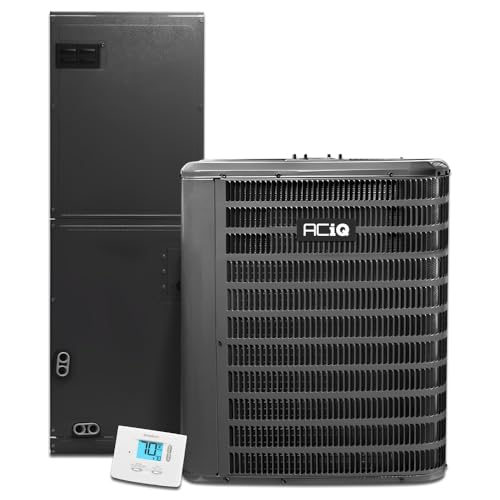
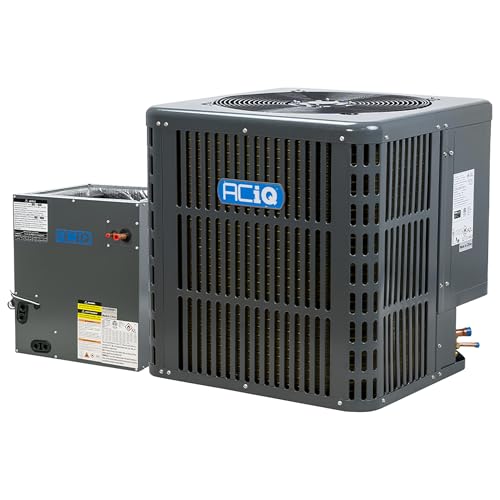
A house air conditioner condenser is the large outdoor unit that sits beside or behind your home. It receives hot, pressurized refrigerant gas from the indoor evaporator coil and releases that heat into the outside air. Once the refrigerant cools and condenses back into a liquid, it travels indoors again to absorb more heat. This continuous loop is the core of the refrigeration cycle that keeps your home comfortable.
The condenser is often called the "outdoor unit" or "condensing unit," but it is more than a metal box. It contains a compressor, condenser coils, a fan, electrical controls, and refrigerant lines. Together these parts form the heat-rejection side of your system. If you are still mapping out the full picture of residential cooling, the house air conditioner overview is a useful companion read.
How the Condenser Works in the Cooling Cycle
Understanding the condenser's role helps you spot problems early. The cooling cycle moves through four main stages:
- Evaporation: Indoor air passes over the evaporator coil. The refrigerant absorbs heat and turns from liquid to gas.
- Compression: The compressor inside the condenser raises the refrigerant's pressure and temperature.
- Condensation: The hot gas flows through the outdoor condenser coils. The fan pulls outside air across the coils, and the refrigerant releases heat and condenses into a liquid.
- Expansion: The liquid passes through an expansion valve, drops in pressure and temperature, and returns indoors to repeat the cycle.
In short, the condenser does not create cold air. It removes heat. That distinction matters when diagnosing performance issues, because many cooling complaints trace back to heat rejection problems rather than the indoor side of the system.
Key Components of a Condenser Unit
A typical residential condenser includes the following parts. Knowing what each does makes maintenance and repair conversations much easier.
| Component | Function | Why It Matters |
|---|---|---|
| Compressor | Pumps and pressurizes refrigerant | The heart of the system; failure usually requires professional service |
| Condenser coils | Release heat from refrigerant to outdoor air | Dirty coils reduce efficiency and strain the compressor |
| Condenser fan | Moves air across the coils | Weak airflow causes overheating and high pressure |
| Contactor and capacitor | Control and start the compressor and fan | Common failure points that are often straightforward to replace |
| Refrigerant lines | Carry refrigerant between indoor and outdoor units | Leaks reduce cooling and harm efficiency |
| Service valves | Allow technicians to service the refrigerant circuit | Important for safe diagnostics and repairs |
For a deeper look at how the full system pairs with heating equipment, the gas furnace with air conditioner guide explains how shared components work together in many homes.
Signs Your Condenser Needs Attention
Most condenser problems announce themselves before a total breakdown. Watch for these warning signs:
- Reduced cooling: Rooms take longer to cool, or the system runs constantly without reaching the set temperature.
- Strange noises: Buzzing, grinding, rattling, or clicking from the outdoor unit can indicate failing capacitors, fan motors, or loose parts.
- Warm air from vents: If the condenser is not rejecting heat properly, the indoor supply air may feel warm or neutral.
- Frozen refrigerant lines: Ice on the lines can point to airflow restrictions, low refrigerant, or a failing fan.
- High energy use: A struggling condenser runs longer and draws more power.
- Moisture or debris buildup: Leaves, grass clippings, and dirt around the unit reduce airflow and efficiency.
- Tripped breakers: Repeated electrical trips suggest compressor or wiring issues that need professional diagnosis.
If your system is running but not cooling, the compressor turns on but no cold air troubleshooting guide can help you narrow down the cause.
Maintenance Tips to Extend Condenser Life
Regular care keeps the condenser efficient and postpones major repairs. The following habits make a measurable difference:
- Clear the area: Keep at least two feet of clearance around the unit. Remove leaves, tall grass, and stored items.
- Clean the coils: Gently rinse the coils with a garden hose after shutting off power. Avoid high-pressure spray that can bend fins.
- Straighten bent fins: A fin comb restores airflow through damaged coil fins.
- Check the fan: Make sure the fan spins freely and the blades are intact.
- Replace the indoor filter: A clogged filter restricts airflow and forces the condenser to work harder.
- Inspect the pad: The concrete or composite pad should stay level and free of standing water.
- Schedule seasonal service: A qualified technician can check refrigerant levels, electrical connections, and capacitor health before peak season.
For broader efficiency advice, the high-efficiency air conditioner units guide covers what to look for in modern systems.
Condenser Types and Tier Classifications
Condensers vary by build quality, control sophistication, and intended use. Rather than focusing on numbers, it helps to understand the market tiers:
| Tier | Typical Characteristics | Best For |
|---|---|---|
| Entry-level | Single-stage compressor, basic controls, standard coil protection | Renters, seasonal homes, simple replacements |
| Mid-range | Two-stage or variable-speed compressor, improved coil coatings, quieter fan | Most single-family homes seeking balanced comfort |
| High-end tier | Variable-speed operation, smart controls, premium cabinet and coil protection | Homeowners prioritizing efficiency and quiet operation |
| Professional-grade | Heavy-duty cabinet, corrosion-resistant coatings, advanced diagnostics | Harsh climates, coastal areas, long-term investment |
Mid-range models usually offer smoother operation than entry-level units, while high-end tiers add finer temperature control and quieter outdoor operation. The right tier depends on your climate, how long you plan to stay in the home, and how much you value quiet, consistent cooling.
Placement and Installation Considerations
Where the condenser sits affects its performance and lifespan. Consider the following before installation or replacement:
- Shade and sunlight: Some shade can help efficiency, but the unit still needs unobstructed airflow.
- Clearance: Leave space for air intake and service access on all sides.
- Drainage: The pad should slope slightly away from the foundation to prevent water pooling.
- Noise: Keep the unit away from bedroom windows and property lines where local rules apply.
- Electrical supply: Confirm the circuit and disconnect meet code requirements.
- Permits: Many jurisdictions require permits for condenser replacement; check local rules before work begins.
If you are planning a full system change, the home air conditioner replacement guide walks through timing and preparation. For homes without ductwork, a ductless mini-split AC uses a smaller outdoor condenser and may be a better fit.
Repair or Replace the Condenser?
Deciding between repair and replacement depends on age, repair frequency, and efficiency. As a general rule:
- If the unit is young and the issue is a capacitor, contactor, or fan motor, repair is usually worthwhile.
- If the compressor has failed on an older unit, replacement often makes more sense than a major repair.
- If repairs are becoming frequent or efficiency has dropped noticeably, a new high-efficiency condenser can reduce long-term energy use.
- If refrigerant leaks recur, the system may have reached the end of its practical service life.
For a fuller decision framework, see the heat pump condenser replacement guide, which covers similar trade-offs for heat pump systems.
Frequently Asked Questions
How long does a house air conditioner condenser last?
With regular maintenance, most residential condensers last between 12 and 18 years. Coastal climates and heavy use can shorten that range, while consistent cleaning and seasonal service help extend it.
Can I clean the condenser coils myself?
Yes, light cleaning with a garden hose after shutting off power is a safe homeowner task. Deep cleaning, coil treatments, and any work involving refrigerant should be handled by a licensed technician.
Why is my condenser fan not spinning?
A failed capacitor, a seized fan motor, or a tripped breaker are common causes. Turn off power and call a technician for diagnosis rather than forcing the fan to spin.
Does shade improve condenser efficiency?
Partial shade can help slightly, but airflow matters more than shade. Never enclose the unit or block its vents with plants, fences, or stored items.
How often should the condenser be serviced?
Once per year before the cooling season is ideal. Homes in dusty or coastal areas may benefit from a second check mid-season.
Ready to Compare Condenser Options?
Explore recommended air conditioners and find the right fit for your home's cooling needs.
View Recommendations